If you want to learn to surf in La Union, aim for November to February. That stretch brings the north swell, the wave season the town is known for, and it is also when San Juan is at its busiest. Cebu to San Juan is a full day of travel, so the rest of the planning comes down to choosing the right beach, booking a bed before the crowds arrive, and timing the bus.
This guide covers the swell calendar, which San Juan breaks suit which level, what lessons and boards cost, where to base yourself, and how to get there from Cebu through Manila. Operator prices and travel listings change often, so treat every figure as a starting point and confirm it before you pay.
Most of the surfing happens in one small area, which makes the town easy to navigate once you arrive. Two days of lessons and a short walk to the water can give a beginner a clear sense of whether surfing is for them.
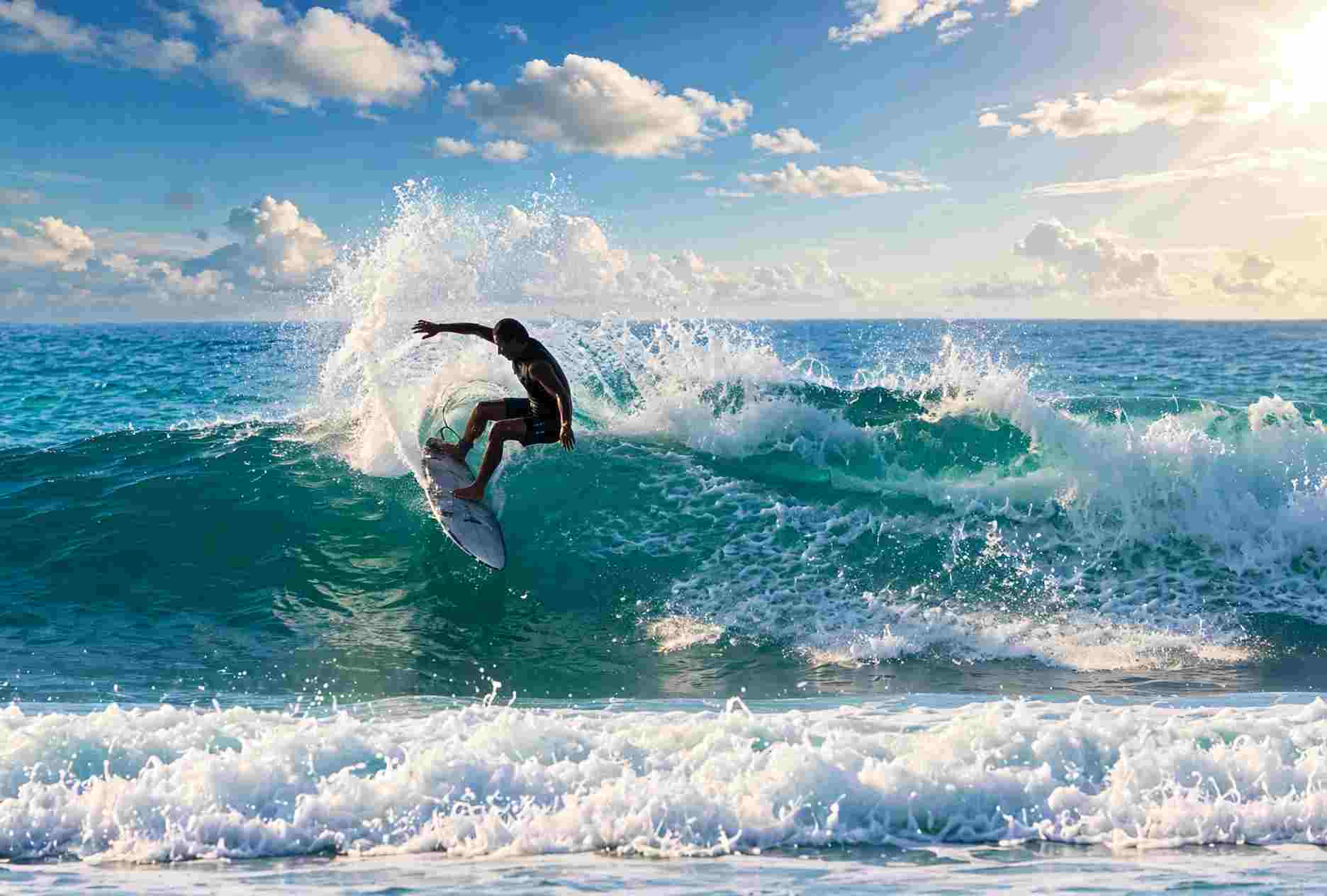
Reading the Swell Calendar
La Union runs on two swell seasons. From July to October the southwest monsoon, known locally as habagat, produces the south swell. From November to March the northeast monsoon, called amihan, brings the north swell, which most surfers in the area regard as the stronger season for both learning and progressing.
The north swell is the reason San Juan has its reputation, so the best months are also the busiest. Beginners who can handle a crowded lineup should aim for December to February. If you would rather have more room in the water, late February and March still carry the north swell after the holiday rush has passed. The south swell suits a different crowd. German Sunset in San Juan and William's in San Fernando pick up during those months, when several other breaks go flat.
Choosing Your Break
Urbiztondo Beach is where most people start. It is a beach break, so the waves peak over sand rather than reef, and the lineup is wide enough for several schools to teach side by side. Expect company during peak season, and morning sessions are usually calmer before the wind picks up.
Once you can stand up and turn, the options widen. The Bowl, a short distance from Kahuna Beach Resort, has steeper drops and the occasional small barrel, so it suits intermediates. Taboc, roughly a ten-minute ride from Flotsam and Jetsam, works for all levels near the seawall and pulls advanced surfers out to the reef when the swell is bigger.
Monaliza Point is a right-hand reef break a short walk north of Urbiztondo. It works best in amihan swell and is meant for advanced and expert surfers, since the reef gives you little room for error. In San Fernando, Car-rille and J-Break offer north-swell waves, and Nirad is for experienced surfers only because of its rocky bottom and steep sections.
If you want fewer people, Quirino in Bacnotan sits about 30 minutes north of San Juan. It has a sandy bottom, which makes it a gentler alternative to the reef breaks, and it is open to all levels. Darigayos in Luna is a reef break that works best in the south swell, and it usually requires a boat ride, so it suits a planned day trip rather than a casual session.
What Lessons and Boards Cost
A one-hour lesson with an instructor and a board is listed at PHP 400 along Urbiztondo, and a board rental alone at PHP 200 per hour. Confirm at the stand whether the hour includes the briefing on the sand, so you know when the clock starts.
Two hours of lessons with a board comes to about PHP 800, which is why many first-timers book a morning session and a second one the next day instead of one long block. A tip of at least PHP 100 is a fair amount when you have stood up for the first time. Bring a rash guard and sun cover, since the sun is strong even in the cooler months.
Where to Base Yourself
Stay within walking distance of Urbiztondo if you want to be in the water at dawn. The strip has rental shops, cafes and beach bars, and resorts such as San Juan Surf Resort and Kahuna Beach Resort sit close to the break, which makes them useful names to compare on booking sites.
Accommodation rates climb from December through February and on long weekends, so book two to three weeks ahead for a beachfront room in those months. If you want quieter evenings, look for a place a few streets back from the strip, because weekend nights along the beach bars run late in season.
Getting There From Cebu
There is no direct flight from Cebu to La Union. The practical route is a flight from Mactan-Cebu to Manila, which takes roughly an hour and a half, followed by an overnight or daytime bus north. Clark is an alternative if its connecting flight is cheaper, though it may offer fewer flight options.
Partas runs the Pasay route at a regular fare of PHP 644 and an aircon deluxe fare of PHP 672, with a journey of about six hours. Its page was updated in August 2026 and warns that fares may be higher because of fuel surcharges, so check before you book. The listed Partas terminal is in San Fernando City rather than San Juan town, so plan a short tricycle ride to Urbiztondo, which a 2025 guide puts at around PHP 100.
Buses from Manila and Cubao, operated by companies including Viron, Partas Cubao, Fariñas and Dominion, take five to seven hours. Some buses bound for Laoag or Vigan will let you off at Urbiztondo if you ask the conductor early. Fares to San Fernando in that guide sit between PHP 550 and PHP 630. If your flight lands in Manila late, the Manila 24-hour stopover guide shows how to use the evening before your bus.
Is La Union Worth the Trip From Cebu?
For someone in Cebu, La Union is a long way to go for a first surf lesson. It makes more sense as a longer holiday. If you want a tropical break that is easier to reach, Siargao from Cebu is the better fit. La Union trades that clear water for a surf town built around beginners, a stronger northeast-monsoon season, and enough breaks to keep improving once you are standing up.
A sensible plan is three to four days: two mornings of lessons at Urbiztondo, one day on a more challenging break once you can handle it, and time to rest. If you want to combine the trip with the northern highlands, the Baguio guide explains how to make a longer loop without losing the surf days.