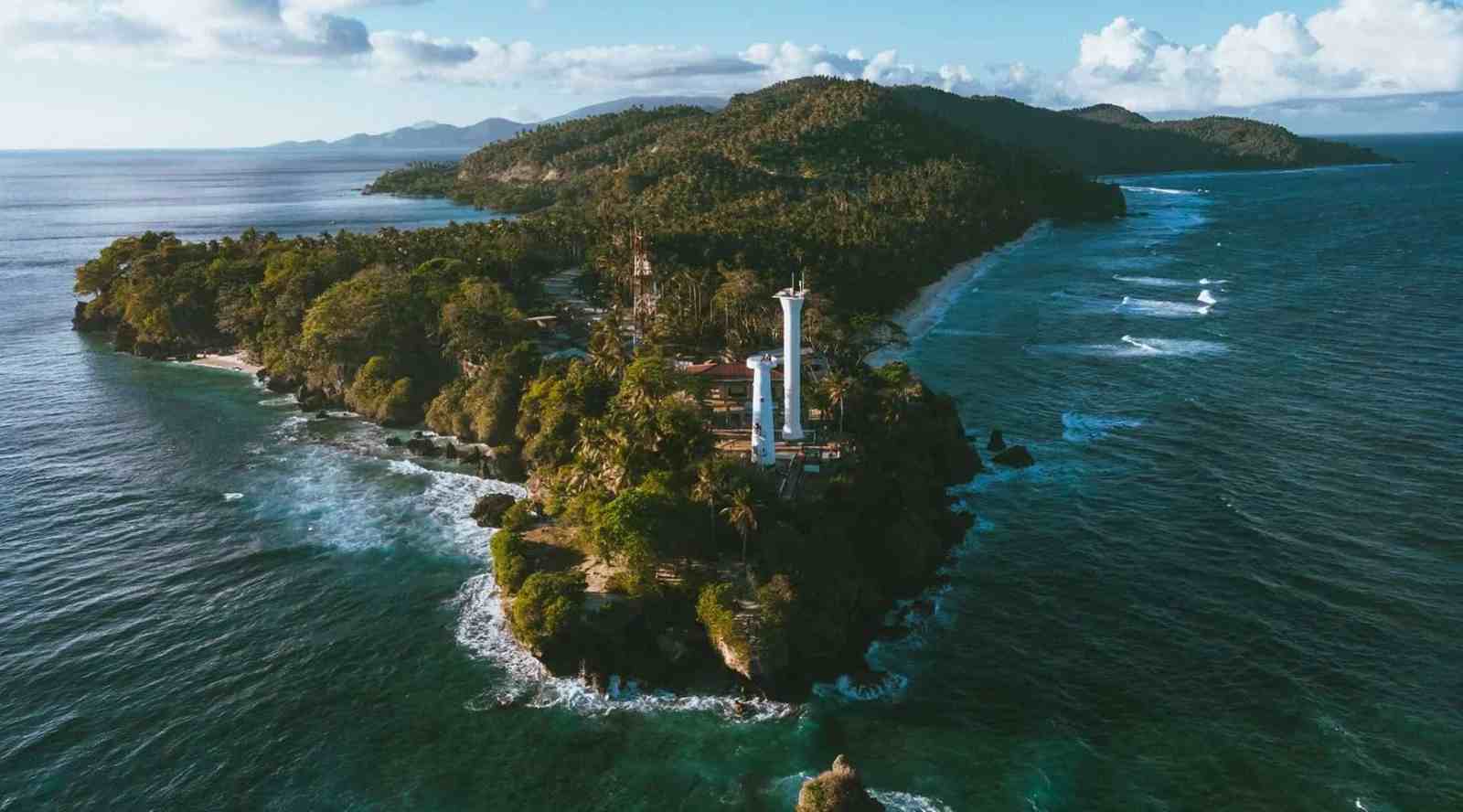
Cape San Agustin is the far end of a long, thin finger of land in Governor Generoso, Davao Oriental. The road runs down the peninsula until there is nowhere left to drive, and at the tip three lighthouses stand together above a rocky point, with the Davao Gulf on one side and open water on the other. Locals simply call the place Parola.
It takes effort to get here. Expect most of a day on the road from Davao City, then another long ride from the town proper to Barangay Lavigan at the tip. What you get for that effort is a lighthouse you can actually climb, a pinkish beach a short walk below it, clear water over reef, and very few other visitors on a weekday.
This guide covers what to see at the cape, the beaches and dive spots nearby, how to get there by bus, van or car, where to stay, and the small things that make the trip easier.
Cape San Agustin at a glance
- Where: Sitio Talisay, Barangay Lavigan, Governor Generoso, Davao Oriental
- What it is: the southeastern tip of Mindanao, with three lighthouses and Parola Beach
- Getting there: bus or van from Davao City to Governor Generoso, then a hired ride down the peninsula
- Time needed: a full day as a side trip, or one night if you want sunrise or a dive
- Fees: a small entrance fee is collected at the visitor area; confirm the amount at the gate
- Bring: cash, water, swimwear and shoes with grip for the stairs
Where Cape San Agustin Is, and Why It Feels So Remote
Governor Generoso sits south of Mati on the coast of Davao Oriental. The town was called Sigaboy until 1948, when it was renamed after Sebastian Generoso, a former governor of Davao Province, and you will still hear the old name around town. It is a fishing municipality first, and most of its barangays face the sea. Part of the Mount Hamiguitan Range, the UNESCO World Heritage site, also falls within its borders.
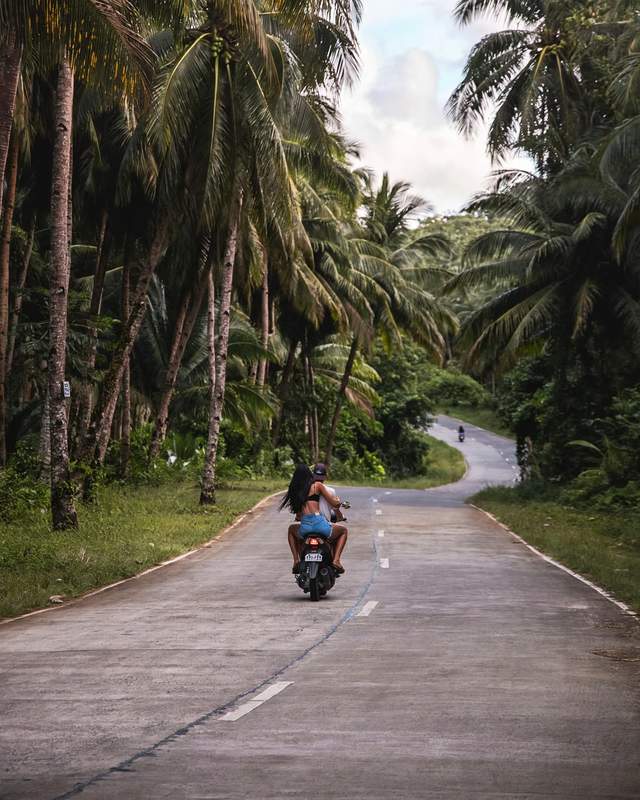
Lavigan is the southernmost barangay in the province, and the cape sits at its tip. For years the peninsula road was rough and potholed, which kept visitor numbers low. The Tibanban to Lavigan road has since been paved in concrete, so a regular car or van can now make it all the way. The ride is still long, and the landscape changes from town to coconut groves to small fishing villages before you reach the point.
The Three Lighthouses
Most visitors come for the towers. Three lighthouses from different periods stand side by side on the cape, and two of them can usually be climbed.
Oldest
The small concrete post
A short tower, around 12 metres, with a stairway wrapped around the outside. It no longer works as a light but has been restored, and it gives you a first, gentle climb with a view over the point.
The one to climb
The round tower with a gallery
Roughly 24 metres of bare concrete, restored around 2018 to 2019 and open to climbers. The gallery at the top is where the photos happen: reef below, rock islets offshore and the coastline running back up the peninsula.
Still working
The tall active light
The newest and tallest tower, and the one that still guides ships at night with a white flash. It is generally closed to visitors, so enjoy it from the ground.
Access to each tower can change with repairs, so ask at the visitor area which ones are open on the day. Up top, the wind is the thing to respect. It can be strong even on a calm morning, so hold on to hats and phones, keep children close and skip the climb if the stairs are wet.
Parola Beach and the Altar Rock
Parola Beach is only a few minutes' walk down from the lighthouses. The sand has a pinkish tint, the water is clear enough to see coral from the shore on a good day, and there are trees to sit under once the sun gets high. Swim close to shore and watch the current around the rocks, since the point faces open water and conditions shift quickly.
A longer walk along the shore, about 20 minutes, takes you to a rock wall shaped like an altar. Local tradition holds that St. Francis Xavier preached here in the 1500s, and the saint is the patron of Governor Generoso. Whatever you make of the story, the walk itself is pleasant, with rock formations and tide pools along the way. Go at low tide and wear sandals that can get wet.
Diving and Snorkelling Around Governor Generoso
Underwater, Governor Generoso is one of the less-known stretches of the Davao coast. The town has hosted dive festivals with the Department of Tourism, and the sites divers mention most are the Coral Garden off Tibanban, the Great Wall off Tagabebe and the reef around Cape San Agustin itself. Snorkellers can get a taste of the reef straight from Parola Beach when the sea is flat.
There is no big dive scene here, so plan ahead. Ask your resort or the municipal tourism office in the town proper whether a dive operator is running trips, and bring your own mask if you have one. If you are combining this with a boat day in Mati, our Pujada Bay island hopping guide covers the islands just up the coast.
How to Get to Cape San Agustin
The trip has two legs: Davao City to the Governor Generoso town proper, then the town proper to Lavigan at the tip. Flying in? Our Davao City guide for first-time visitors explains how to get from the airport to the bus terminal.
If you are staying in Mati, Governor Generoso is the next town south, and the two local governments have been promoting the area as a combined beach and dive trip. Ask your hotel about a car or van for the day so you are not juggling connections along the way.
Where to Stay
You have three realistic choices. Stay in Mati and do the cape as a long day trip, which gives you more restaurants and hotels to choose from. Stay in Tibanban, near the Governor Generoso town proper, where small inns and hotels cater to visitors and you are close to the van and bus stops. Or stay near the tip in Lavigan, where a handful of beach resorts let you be at the lighthouses for early light before any day-trippers arrive.
Resorts on the peninsula are small and family-run, so book ahead on weekends, ask whether meals are served and check whether the property can arrange transport from the poblacion.
Tips Before You Go
Plan ahead
- Start earlyLeave Davao City at dawn if you are going in a day. The return ride up the peninsula is long, and you will not want to do it in the dark.
- Carry cashBring small bills for the entrance fee, the ride and food. ATMs are in Mati and the bigger towns, not at the cape.
- Pack food and waterStalls near the cape may or may not be open. A packed lunch from the town proper means you can stay as long as you like.
- Watch the weatherThe tip faces open sea. On windy or rainy days the climb, the swim and the walk to the altar rock all become riskier, so be ready to cut them short.
- Mind the signalMobile data can drop on the peninsula. Save your driver's number and offline maps before leaving town.
- Leave the reef aloneDo not stand on or take coral or shells, and take your rubbish back with you.
Is the Long Drive Worth It?
If you want an easy beach day, Dahican in Mati is closer and has more going on. Cape San Agustin is for travellers who like the end of the road: old lighthouses you can climb, an empty beach below them and the feeling of standing at the very edge of Mindanao. Lighthouse fans who have already seen the lighthouse on Capitancillo Island in northern Cebu will find this one a very different experience, with three towers and a road that brings you right up to them. Give it a full day, start early and let the weather decide how much of it you do.
Photo credit: Island Diaries PH.
Comments
No comments yet. Been here recently? Share a tip or ask a question.
Leave a Reply