Culion is the island south of Coron that most visitors only see from a tour boat. For most of the 20th century it was one of the largest leprosy colonies in the world, a place people were sent to and rarely allowed to leave. Today it is a quiet town in the Calamian Islands of northern Palawan, with a fort and church built from coral stone, a museum that holds archives recognised by UNESCO, and clear water and small islands on every side.
Getting there is simple: a public boat from Coron town takes about two hours. Visiting well takes more care, because Culion's story belongs to families who still live there. This guide covers the history in brief, the heritage sites in town, the beaches and islands, how to get there and what to bring.
Boat times, fares and room rates on this route change often and are not always posted online. Treat the figures here as a guide and confirm them at the port or with your hotel before you go.

A Short History of Culion
The Tagbanua, an Indigenous people of Palawan, have lived on Culion and the neighbouring islands for a very long time, and their communities are still found across the Calamianes. Spanish missionaries arrived much later and built a fort on a rocky point above the bay in 1740.
The island's modern story began in 1906, when the American colonial government chose Culion as a place to isolate people with Hansen's disease, then called leprosy. The first group of 370 patients arrived from Cebu in May that year. Over the next four years, more than 5,000 people were brought to the island from around the country, many of them taken from their families. For decades, those sent to Culion could not leave, From 1913 the colony even had its own coins, minted in Manila for use on the island alone, and its population peaked at nearly 7,000.
Medical research carried out on the island helped shape treatment around the world, and the arrival of multi-drug therapy in the 1980s ended the disease's hold on Culion. The town became a regular municipality in 1992, and the World Health Organization declared it free of leprosy in 2006. In 2018, the Culion Leprosy Archives, a collection of clinical records, letters and research going back to 1906, were added to UNESCO's Memory of the World Register for Asia and the Pacific.
Many people in Culion today are descendants of former patients. Visit as you would any town where history is personal: ask before photographing people or homes, and avoid treating the old hospital grounds as a curiosity.
Heritage Sites in Culion Town
The old town is small and easy to cover on foot in a morning, though some of the paths are steep.
Church of the Immaculate Conception and Fort Culion
The church sits on the site of the 1740 fort, overlooking the bay. Jesuits rebuilt it in 1933 using stones from the fort's ruins, and the old fort gate now serves as the church entrance. A surviving bastion with old cannons stands behind it, and the views across the water toward Coron are the best in town, especially late in the afternoon.
Culion Museum and Archives
The museum occupies a two-storey building in the grounds of the Culion Sanitarium and General Hospital. Its exhibits cover the founding of the colony, daily life for patients and families, the science of the disease and the island's own coins. It is the single most important stop on the island and needs an hour or more. Opening hours are not posted online, so ask your hotel or check in at the hospital entrance on arrival.
The old colony streets
Around the town plaza you will find buildings from the colony years, including the old colony hall, rows of houses built in the 1920s for married patients and a statue of Governor General Leonard Wood that residents put up in 1931. Loyola College of Culion, a Jesuit school, is next to the church.
The hillside seal
Above the town, a large emblem of the old Philippine Health Service is set into the hillside. More than 300 steps lead up to it, and the climb is cooler at dawn. The town and bay spread out below you from the top.
Beaches, Islands and Things to Do on the Water
The provincial tourism office lists dozens of beaches, islands, reefs and waterfalls around Culion, and most see very few visitors. These four are the ones worth planning a boat day around.
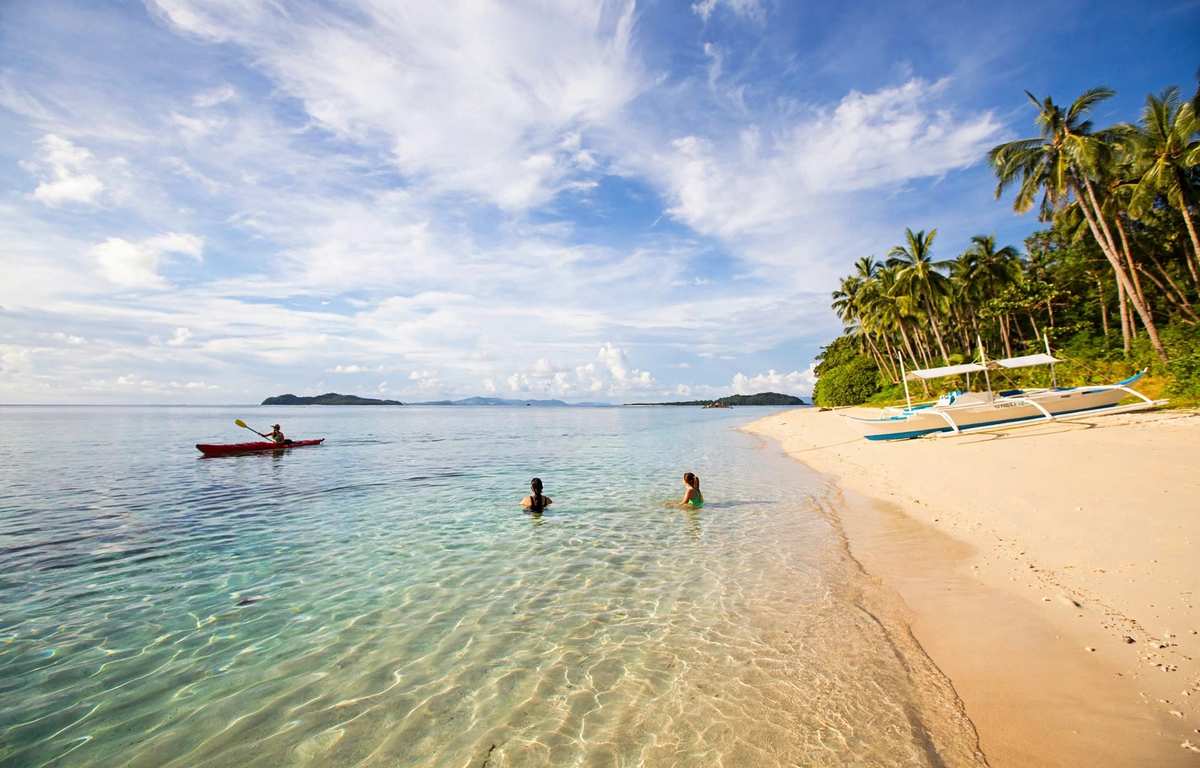
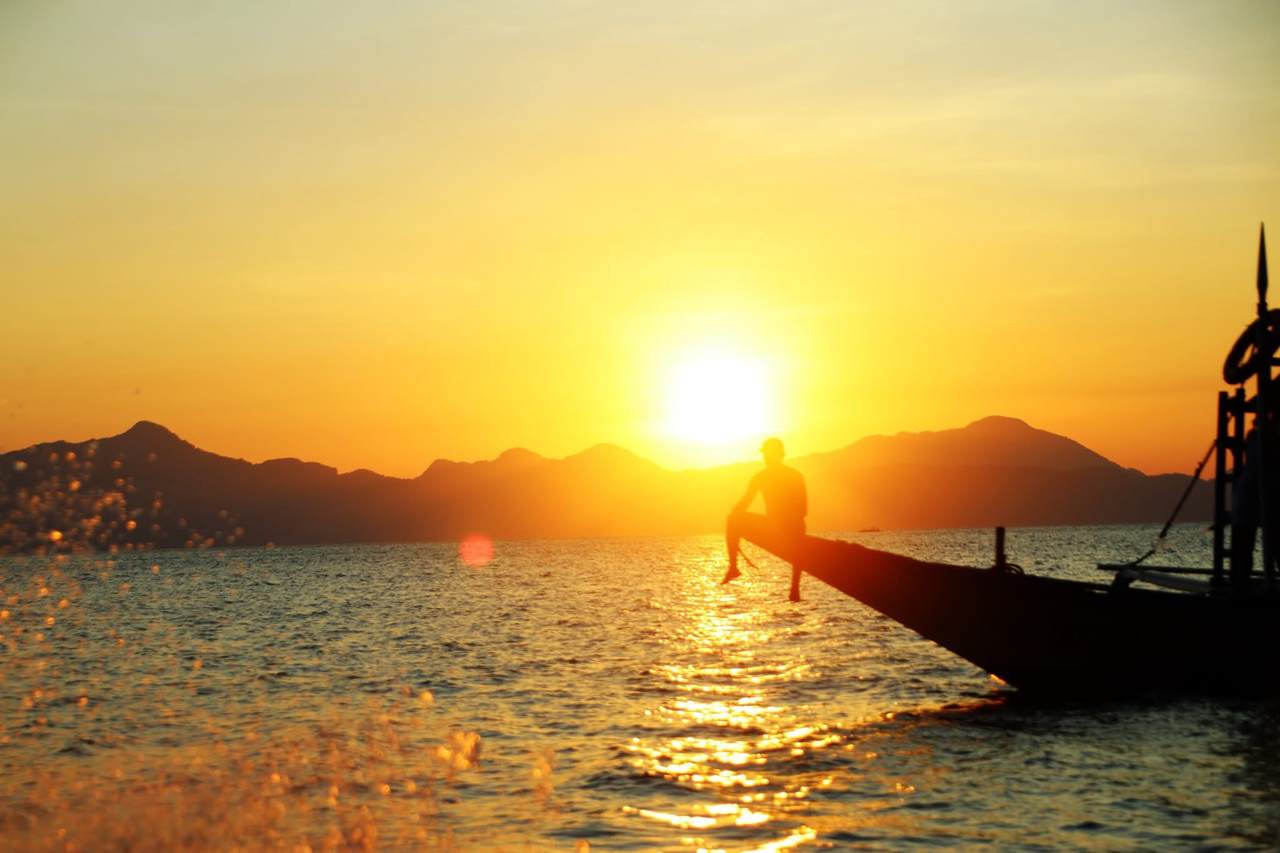
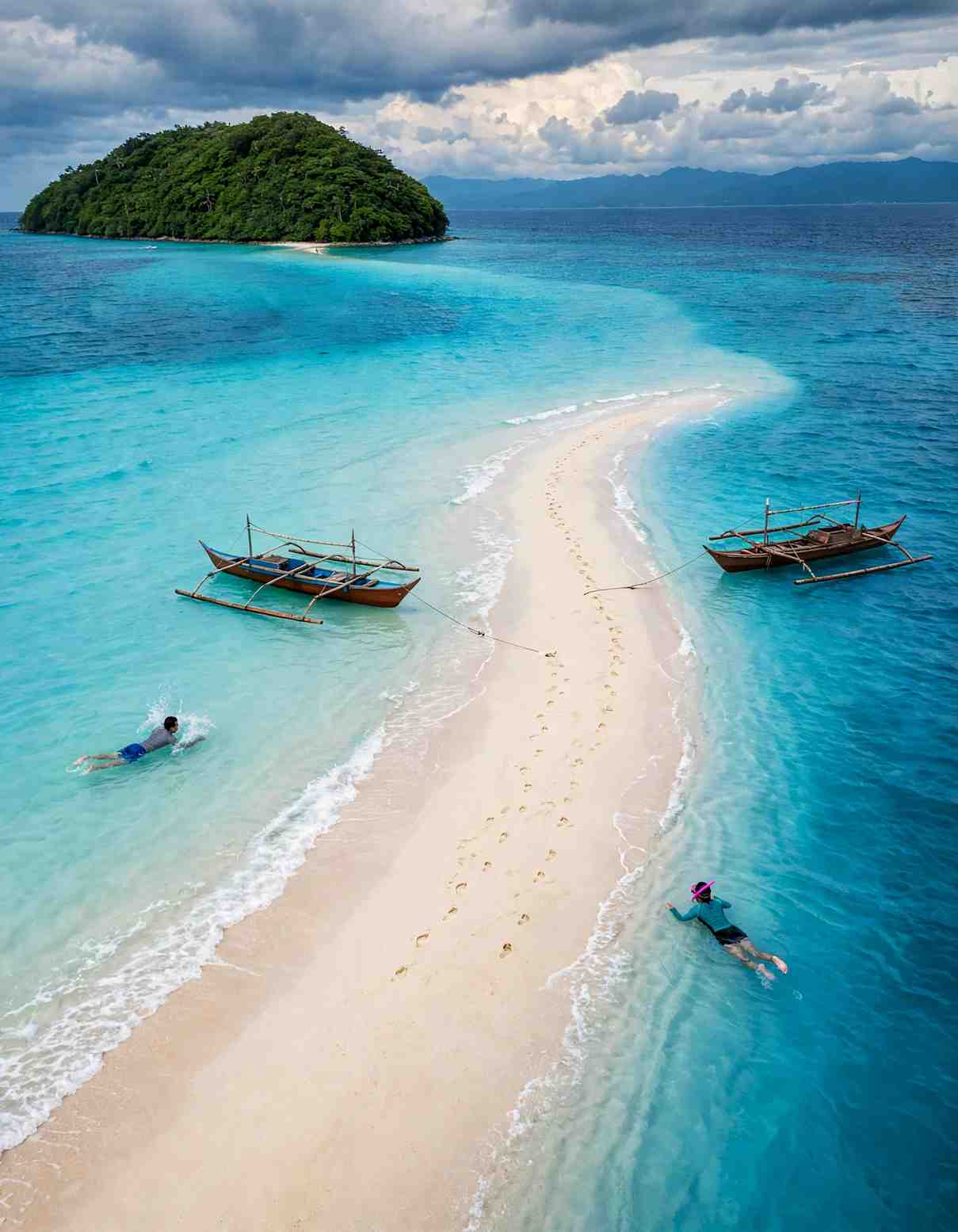
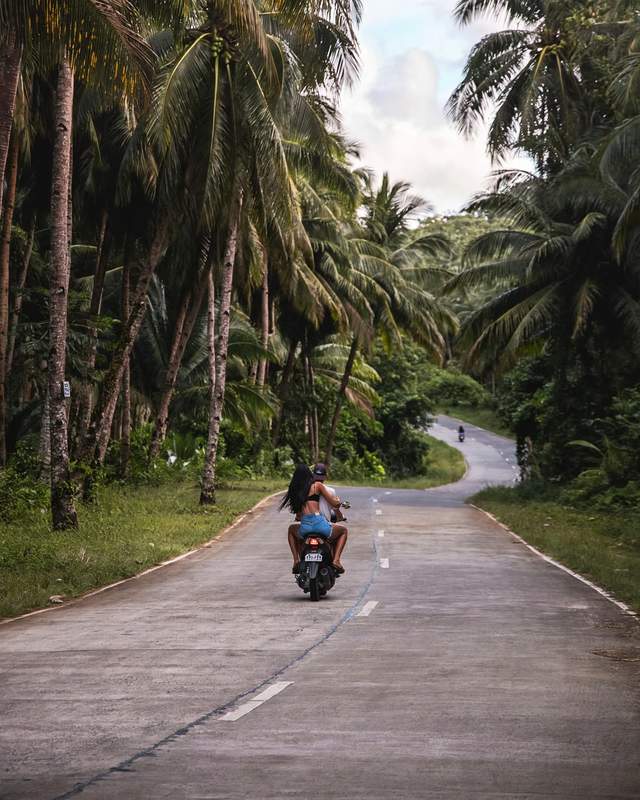
Four ways to spend a day on the water around Culion.
Malcapuya Island
A white sand beach with clear, shallow water. Tours often pair it with Banana Island and Bulalacao Island for a full day of swimming stops.
Crowning Glory Reef
Part of Bogor Marine Park, with a viewing platform built over the reef. Go on a calm morning for the clearest water.
Lamud and Lusong
Two of the Second World War wrecks around the Calamianes. Lusong sits close to the surface, so snorkellers can see part of it on a calm day.
Mangroves and waterfalls
The Cabulihan mangroves and waterfalls such as Balanga Falls are quieter trips that need a local guide.
Tourism on Culion is still small, so boat trips are usually arranged through your hotel rather than sold as fixed tours, and prices can be higher than in Coron. Agree the route, lunch and fees before you leave.
If you are basing yourself in Coron instead, most standard Coron island hopping tours pass near Culion, and some visit Malcapuya and Banana Island.
How to Get to Culion
Public boats run between Coron town and Culion, and Montenegro Shipping Lines has been the main operator. The crossing takes roughly two hours. Departures from Coron have usually been in the early afternoon, with return trips from Culion in the morning, which makes an overnight stay the easiest plan. A one-way ticket was around ₱325 in early 2025, plus a small terminal fee.
The Coron pier and ticket office are on the eastern edge of town, so leave extra time for the tricycle ride. Seats can sell out, so buy your ticket early in the day. If you are still working out how to reach Coron itself, our guide on getting to Palawan and the Busuanga airport explains the flight options.
Day tours from Coron and private boat charters are also available. They save time but cost more, so for two people the public boat plus a night in Culion is often the cheaper option.
Planning Your Visit
Hotel Maya is the place most visitors stay. It does not take online bookings, so message or call ahead and confirm that cash is fine for payment. A few simple guesthouses also operate in town.
From June to October, the southwest monsoon can make the crossing rough and cancel boats. Keep a spare day before any flight out of Busuanga, and avoid booking a tight connection on the morning you leave Culion.
How Long to Stay
One night is enough to see the museum, church, fort and old streets, with time for sunset at the fort and a climb to the hillside seal at dawn. Add a second night for a boat day to Malcapuya, the reefs or the wrecks. Culion pairs well with Coron's lakes and lagoons, and divers can add a few days for Coron's wreck dives and Kayangan Lake before or after.
Culion asks a little more of visitors than most Palawan islands: cash in your pocket, a booked room and some patience with the boat schedule. In return, you get quiet beaches and a history you won't find anywhere else in the country, told by the people whose families lived it.
Comments
No comments yet. Been here recently? Share a tip or ask a question.
Leave a Reply