


Danjugan Island gives you four ways in: a three-hour guided tour, a full day trip, or a night at one of two camps. They all leave from the same pier in Barangay Bulata, Cauayan, in southern Negros Occidental, and they all include guided activities and the conservation fee. What changes is how much of the island you see, how long you stay in the water, and whether you're there in the quiet hours after the day boats leave.
Picking the wrong one is easy to do. The short tour can feel rushed if you came all the way from Bacolod, and the cheaper camp has shared bathrooms and open-air cabanas that don't suit everyone. The island is a low-volume sanctuary rather than a resort, so it pays to book the right option before you go.
This guide puts the four packages side by side, explains what each camp is really like, lists the activities and the house rules, and gives the boat times you have to plan around, so you can book the visit that fits your group before you make the trip south.
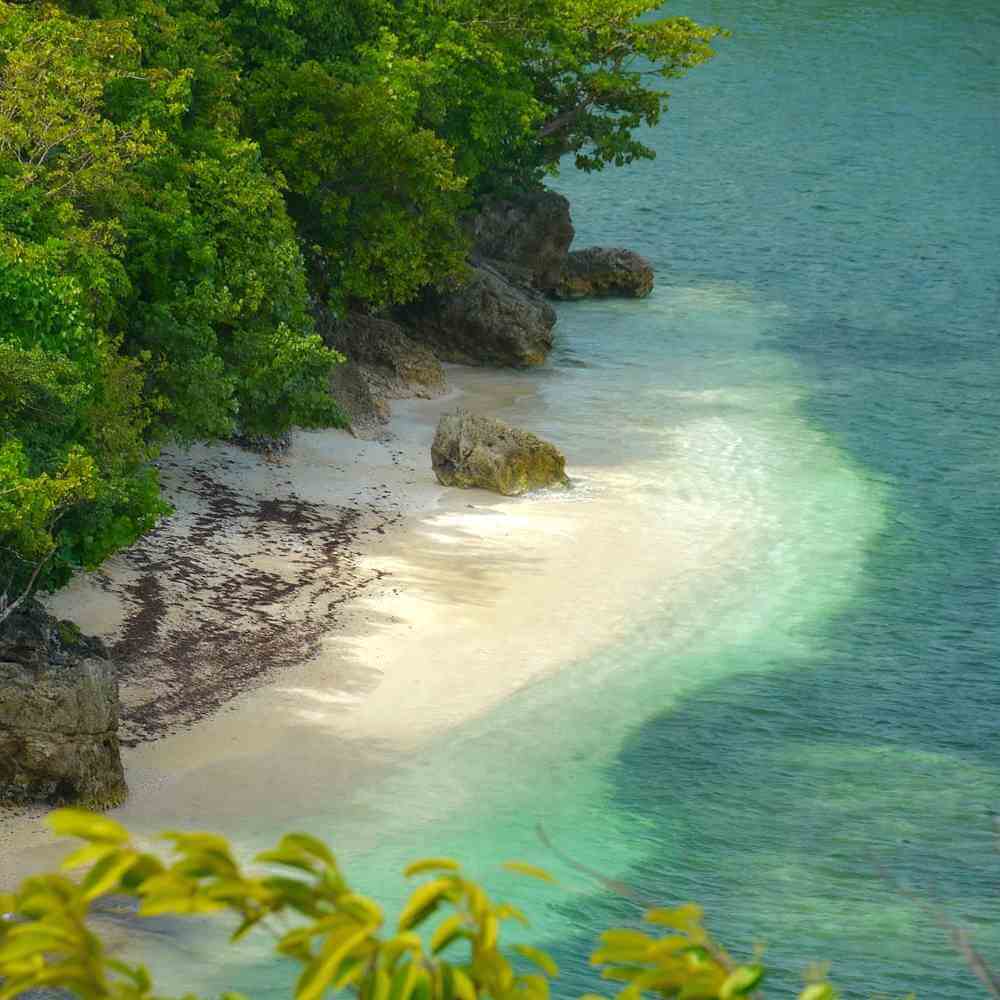
Danjugan Island at a glance
- What it is: a protected wildlife sanctuary and ecotourism site, not a resort
- Managed by: the Philippine Reef and Rainforest Conservation Foundation
- Boat pier: Antol Danjugan Port, Barangay Bulata, Cauayan, Negros Occidental
- Visits: 3-hour tour, day trip, or overnight at one of two camps
- Activities: snorkeling, skin diving, kayaking, trekking, birdwatching
- Booking: reserve ahead directly with the sanctuary
The Four Packages Compared
All prices are per person and include the conservation fee, boat transfers and guided activities. They come from the sanctuary's official visitor page, and the sanctuary can revise them, so confirm when you book.
Who each one suits
The 3-hour tour works if you're already staying nearby and want a taste of the reef and the forest without giving up a whole day. It's back on the mainland by 11:30 AM, which leaves the afternoon free for the drive onward. If you're coming down from Bacolod that same morning, the travel-to-island ratio is poor.
The day trip is the best value for most first-timers. Eight hours gives time for more than one activity, a proper lunch and a slower pace, and the meals and gear are included, so the only extra spend is getting to Bulata.
An overnight stay is the only way to see the island after the day visitors have gone, and it adds an early-morning session before breakfast on the second day. It's the pick for wildlife watchers, photographers and anyone who wants Danjugan to feel like a retreat rather than an excursion.
Moray Lagoon Camp or Typhoon Beach Camp?
₱3,950 per night
Moray Lagoon Camp
Open-air eco-cabanas with individual mattresses and mosquito nets. Toilets and showers are shared. Communal and close to nature, best for friends, solo travelers and groups who don't mind roughing it a little.
₱5,000 per night
Typhoon Beach Camp
Private rooms with their own toilet and shower. No air-conditioning or TV, but this is the only camp with internet, through Starlink. Better for couples, families and anyone who wants privacy.
At either camp, hot showers aren't available, freshwater and electricity are limited, and mobile signal depends on which camp you're in. Pack with that in mind rather than expecting hotel comforts.
What You Do on the Island
Activities are guided and run by the sanctuary team, who decide the route and timing based on the weather and the water. Gear is included in the packages, subject to availability.
- SnorkelingThe main activity. Float over the reef, don't stand on coral, and don't touch or feed anything. Tell the staff if you're not a confident swimmer and ask for flotation.
- Skin divingFor visitors already comfortable in the water. Stay inside the permitted areas and follow the guide's signals.
- KayakingA slower way to explore the coastal water, when conditions allow.
- TrekkingGuided walks through the island forest, with an introduction to the conservation work.
- BirdwatchingBring binoculars if you have them, move quietly and keep your distance from wildlife.
If this kind of guided reef visit is what draws you, Apo Island off Negros Oriental is another marine sanctuary worth planning for.
Boat Times You Have to Plan Around
The 8:30 AM pick-up is the reason most day visitors sleep near Bulata, in Cauayan or Sipalay, the night before. Leaving Bacolod the same morning means a bus ride of about four to five hours, or three to four by van, which is cutting it very fine. Overnight guests have more slack with the noon boat. Tides and weather can also move the pick-up point, so follow the directions the sanctuary sends you rather than an old map pin.
For the full route down from Bacolod or Dumaguete, plus beaches to add before or after, see our Sipalay and Danjugan guide. If Bacolod is your starting point, our Bacolod first-timer's guide covers what to do there before heading south.
An Overnight Visit, Hour by Hour
- Day 1Arrive and settle in
Reach Bulata in the morning and take the noon boat. Check in, eat, then spend the afternoon on guided activities. Stay on after the day boats leave for the island's quietest hours.
- Day 2Early wildlife, then back
An early nature session if the schedule allows, breakfast and a last activity, then the 11:30 AM boat to the mainland and on to Sipalay or Bacolod.
Before You Book
Book directly through the sanctuary's visitor page and booking form. When you reserve, give the number of adults and children, check that the children meet the activity and safety requirements, and mention any dietary needs. Ask for the pick-up time, the exact meeting point, payment instructions and what gear is supplied.
Know before you go
- Cancellations aren't refundedRescheduling may be possible, and weather or Coast Guard advisories can also move your date. Read the current terms before paying.
- No pets, no bonfiresPets aren't allowed, and littering, bonfires and disturbing wildlife are off-limits.
- Pack lightSwimwear, a change of clothes, reef-safe sunscreen, a hat, walking shoes, a refillable bottle, a dry bag and any medicines.
- Carry some cashFor mainland transport and small extras. Follow the sanctuary's rules on food and items you bring to the island.
Calm seas make for the best visit, and boats can be adjusted or cancelled when conditions turn. If your dates are fixed, leave a spare night in the area rather than booking a tight connection out. Whichever package you choose, the visit works best when you treat Danjugan as a protected habitat first, with fewer people, guided time and fees that keep the place the way it is.

Comments
No comments yet. Been here recently? Share a tip or ask a question.
Leave a Reply