A Davao trip is really three trips that share one city: a beach day across the gulf on Samal Island, a run of meals built around fruit, seafood and chocolate, and, for a few people, a serious climb up the highest mountain in the country. They do not fit neatly into a short visit, so the useful question is which of the three you came for.
Samal sits across the water from Davao City, which means a boat and a terminal queue. Mount Apo climbs far above the surrounding lowlands and needs its own trekking plan. The food needs no planning at all, which makes it the easy anchor for every itinerary.
Below you will find what to expect from each, how to split your days, and what to confirm before you book. Ferry details, fees and trail access change, so check each one close to your travel date.
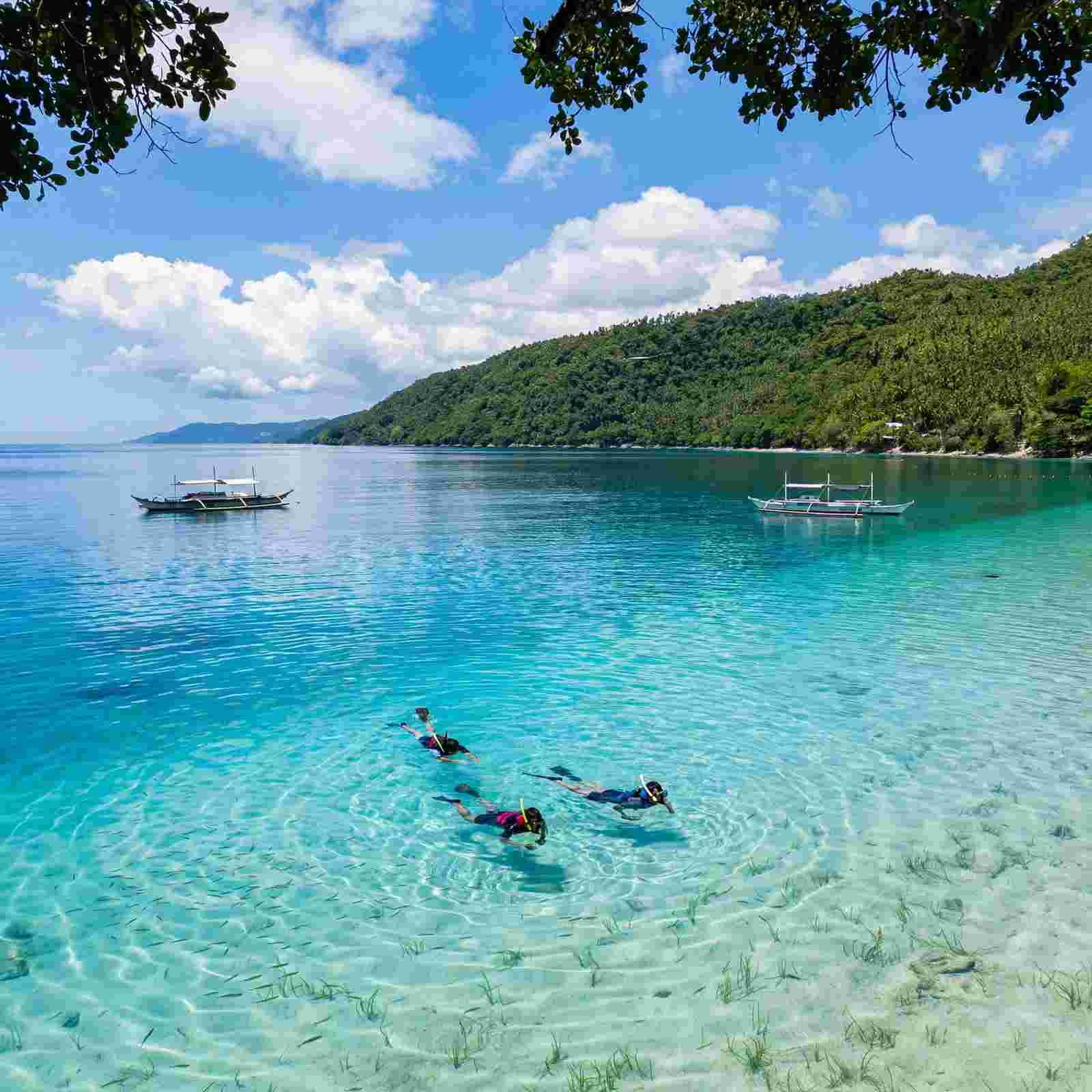
Samal Island: The Beach Day
The Island Garden City of Samal is known for beach resorts, coves, snorkeling and diving areas, and a few inland nature stops. You can keep it simple with a single resort, or hire a local driver or tour operator and link several stops together.
Crossing from Davao City
Most visitors go from Davao City to one of the ferry or passenger-boat terminals that serve the island. The crossing itself is short, but your real travel time depends on where you start, which terminal you use, how long the queue is and whether you are bringing a vehicle. Weekends and holidays are the slow ones.
Pick your resort or area first, then work out which terminal suits it. If you are bringing a car or motorcycle, confirm the current vehicle procedure instead of assuming every passenger boat can take it.
What to do there
A resort day is the easiest option, since swimming, food and facilities sit in one place. If you want to snorkel or dive, ask local operators about sea conditions, visibility, equipment and whether the trip matches your experience. If you add inland stops, group the ones that are near each other rather than crossing the island and back.
Samal is not one beach, and resorts differ in shoreline, facilities and atmosphere. Check recent photos, inclusions and transport arrangements before paying. A low entrance fee may not cover a cottage, meals or activities.
Day trip or overnight?
A day trip suits a single resort and a plan to swim and relax. Stay overnight if you want to see more than one area, enjoy a slower evening or avoid racing for the last boat back. In busy periods, leave extra time at the terminals.
Mount Apo: A Separate Plan
Mount Apo, also called Apo Sandawa, rises to 2,954 meters and is the highest mountain in the Philippines. It is a protected natural area, with forest, volcanic terrain and high-elevation conditions. Climbing it is a serious outdoor undertaking, not a casual excursion from downtown Davao.
Do you need to climb it?
No. If you want mountain scenery without a multi-day trek, the uplands and foothills around Davao give you cooler air and green views for far less effort. If the summit is the reason for your trip, build everything around the climb first, and do not book a flight home right after your planned summit day. Weather, trail conditions and the pace of the group can all shift the schedule.
Before you trek
Arrange permits and a recognized local guide or organizer, since requirements can depend on the trail and the local government that manages it. Check whether the trail is open, because weather, conservation measures and advisories can close access. Ask your organizer about duration, equipment, food and water, campsites and fitness expectations. Pack for changing conditions, as higher elevations can turn cold, wet, windy and exposed even when the lowlands are warm.
Respect the protected area. Follow your guide, stay on permitted routes, carry out your rubbish and leave wildlife and plants alone. As for the best month to climb, do not decide it from a calendar. Ask the local tourism or protected-area office what conditions look like before you commit.
What to Eat in Davao
The food mixes familiar Filipino comfort dishes, Mindanao specialties, seafood, tropical fruit and chocolate made from local cacao. Aim for variety: a market snack, a casual local restaurant, grilled seafood and a dessert stop each show a different side of the city.
Durian
Durian is one of Davao's best-known products. If you are new to it, start with a small portion and try it fresh or in a dessert before deciding. The smell and flavor are strong and the texture is creamy. Availability and quality shift with the season, so ask vendors what is ripe, how it is priced and whether you can taste a little first. Check your accommodation's rules before bringing it back, since some hotels and transport services ban it.
Pomelo and other fruit
Pomelo and other seasonal fruit are easy to find. Instead of hunting for one variety, visit a fruit stand or market, ask what is in season and compare when the seller offers samples.
Grilled seafood and sutukil
Seafood is the natural choice in a gulf city. You will find grilled fish, prawns and squid, and you may see sutukil, a Visayan term built from sugba (grill), tuwa or tula (stew) and kilaw (a vinegar-cured or raw-style dish). Some items are priced by weight, so confirm the pricing before ordering, because the bill can climb fast if you add several kinds of seafood and sides.
Chocolate
Davao's cacao industry makes chocolate a worthwhile stop. Look for locally made bars and cacao drinks, or visit a cacao attraction if it fits your route. Chocolate also travels better than fresh fruit, which makes it a sensible souvenir.
Restaurants, bakeries and the night market
Combine a sit-down meal with smaller stops. Long-running restaurants and bakeries serve comfort food and local favorites, while night markets offer grilled skewers and quick meals in a lively setting. Roxas Night Market is a well-known evening option, but check its current operating arrangements and follow local rules.
A simple food day could run like this: bread or a rice meal for breakfast, a homegrown restaurant for lunch, fruit or chocolate in the afternoon, and grilled seafood or a night-market crawl for dinner. Share dishes and leave room for dessert instead of trying to fit every specialty into one meal.
Other Stops Worth Fitting In
The Philippine Eagle Center in the Malagos area is a conservation-focused visit that suits wildlife lovers. Eden Nature Park is an upland attraction with gardens, views and outdoor activities for people who want the mountains without climbing Apo. People's Park is a central green space that fits into a city day, and the local markets and fruit stalls are good places to taste what is in season. Check opening arrangements first, and choose by location, since the city center, Malagos and the Samal terminals are not interchangeable starting points.
A Three-Day Plan Without the Summit
Day one: the city and a food crawl
Arrive, check in and keep the day flexible. Visit a central attraction or market, then spend the evening on local dishes. If you land late, skip the sightseeing and go straight to dinner and rest.
Day two: Samal Island
Start early and head to the right terminal for your resort or tour. Swim, snorkel if conditions allow, or relax on the beach, then return to Davao City in the evening or stay overnight for a slower pace.
Day three: uplands, chocolate or more food
Pick a countryside stop such as the Philippine Eagle Center or Eden Nature Park. If food is your priority, spend the day on restaurants, bakeries, fruit stalls and cacao shops instead, and leave a generous buffer before departure.
Mount Apo should replace this itinerary rather than squeeze into it. A summit trek generally needs several days, advance coordination, the right equipment and room for weather and trail changes.
Budget and Timing
Costs swing widely with your style. A trip with simple lodging and local meals looks very different from a Samal resort stay with private transfers and guided activities. Before booking, list accommodation, boat fares and terminal charges, resort fees and meals, city transport, food and souvenirs, and, if you are trekking, permits, guide fees, equipment and camping. Avoid relying on an old total from someone else's post, and confirm current ferry operations, resort inclusions and trekking requirements with each provider. Choosing one major activity per day keeps the budget easier to control.
Davao works year-round, but match the dates to the activity. For Samal, watch the sea forecast and stay flexible. For Mount Apo, ask the organizer or local authorities about dates and trail conditions. August brings Kadayawan, Davao's major cultural festival, which lifts hotel demand and traffic, so confirm the official dates and book early if you want to attend.
Practical Tips
Choose your base on purpose: Davao City is convenient for restaurants and transport, while Samal is better for more beach time. Confirm ferry terminals, departure times and return options close to your travel day. Carry cash for markets, fruit stalls and small vendors. Use a reputable organizer for Mount Apo and get permits, guide arrangements and cancellation terms in writing. Do not schedule a demanding hike right before a flight, and follow site rules, ask before photographing people and leave beaches and trails clean.
For more food-led trips, see our Iloilo and Guimaras food trip and first-timer's food trip in Dumaguete, or read about getting to another island in Siargao from Cebu.
So, What Should You Plan Around?
Choose your main reason first. Give Samal a full day for the beach, make Mount Apo the heart of a longer adventure, or let the food set the pace and fit the rest around it. Davao rewards a trip with a clear focus more than one that tries to tick off every stop.