Island-hopping is the part of a Philippine trip most people remember: a wooden bangka ride, a sandbar that appears at low tide, a reef full of fish, and lunch on a beach you can only reach by water. Most days go smoothly. The ones that go wrong usually do so for predictable reasons, such as a weather call made too late, a boat with too few life vests, or a traveler who packed for a sunny beach day and ended up soaked with a dead phone.
This guide covers the safety basics first, then the gear that earns its place in your bag. The advice applies whether you are leaving from Panglao, El Nido, Coron, Siargao or a port near Cebu, although the boats and the rules you meet will vary from one town to the next.
Start with the weather, because it is the one factor nobody on the boat can change. Check it the night before and again at breakfast, then let the boatman make the final call.
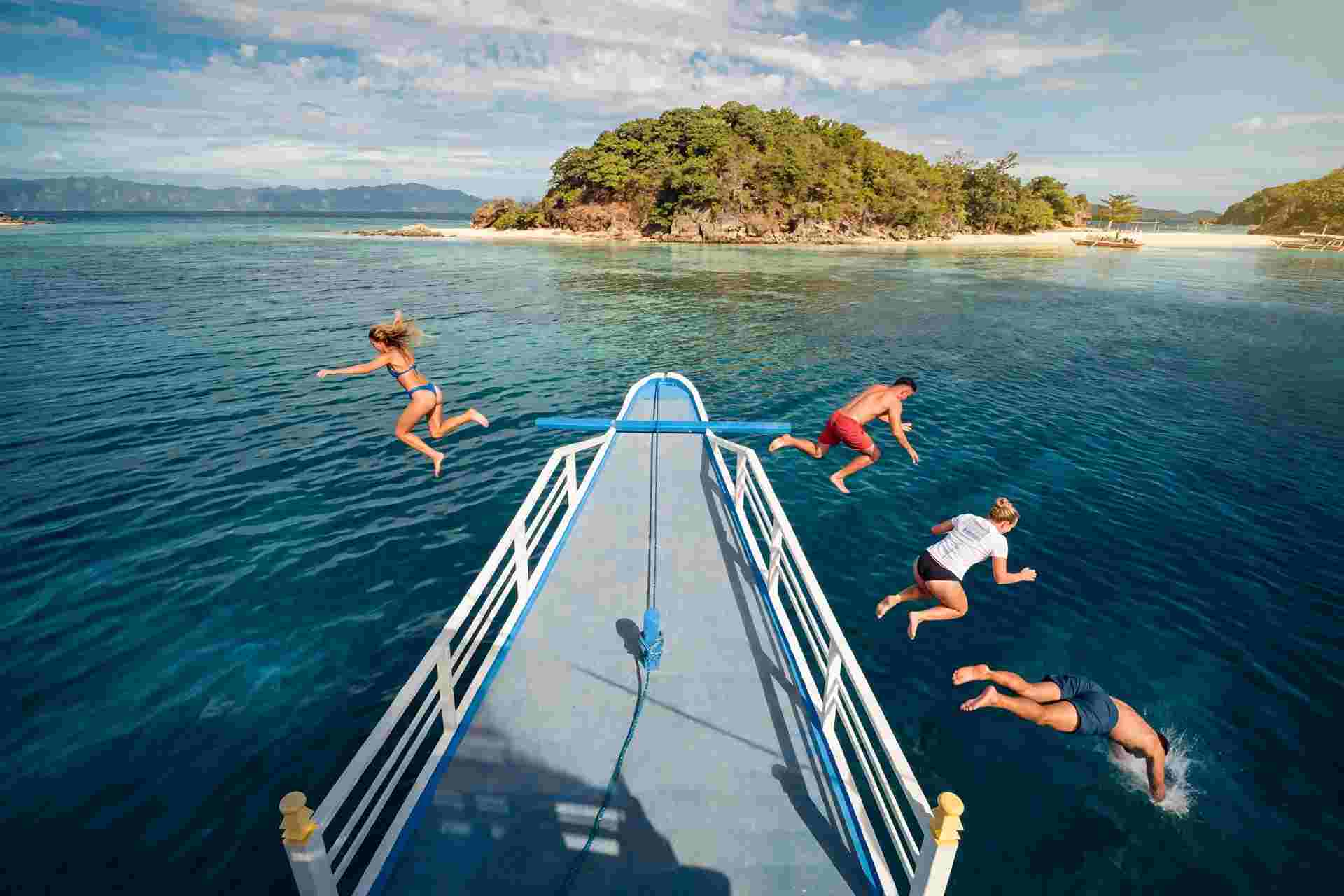
How Weather Decides Whether Your Boat Leaves
PAGASA, the national weather bureau, issues gale warnings when winds and seas reach levels that make small-craft travel risky. When a warning covers your coast, the Philippine Coast Guard can stop vessels from sailing. In past events, Coast Guard units have halted trips for vessels under 250 gross tons while a warning stood. During a July 2019 gale warning linked to a tropical storm, small-vessel trips were suspended in Negros Occidental, and bancas and motorboats are usually the first to be held at the port.
A cancelled day is often a sign that the sea has changed, not a sales tactic. If your operator says the crossing is off, accept it and switch to a land day. Build one spare day into any itinerary that includes a far island. Travelers who book a single fixed date for an outer reef often end up losing the trip altogether.
Life Vests and Boat Checks Before You Board
Ask to see the life vests before you pay. A reliable operator shows them without being asked and can tell you how many are on board. Count the passengers against the boat's capacity too. A bangka that sits low at the waterline, with people crowded toward the bow, is a boat to skip, even if the price is attractive.
Wear your vest while the boat is moving, not only when it feels rough. Fasten it snugly, because a loose vest rides up when a wave hits. If you snorkel with it on, check that it keeps you floating face-up. When a guide asks you to take it off for a swim in calm water, follow that instruction, since guides know the currents at each spot.
On the boat, sit low and near the middle. Avoid standing on the outrigger arms or leaning over the side while the hull bounces. These habits matter most on the return leg, when the waves have built up after midday.
What to Pack for a Day on the Water
A dry bag of roughly 10 to 20 liters is the most useful item you can carry. Boats splash, and a soaked phone rarely recovers. Keep your phone, cash and a dry layer inside, and leave the rest at your hotel. Along with the dry bag, bring:
- A rash guard or long-sleeve swim shirt: it protects you from sun and stings, and light colours dry faster.
- Reef-safe sunscreen: choose a mineral-based formula without oxybenzone or octinoxate, apply it before you board, and reapply after you swim.
- Reef shoes: rocky landings, sea urchins and slippery boat ladders are easier with grip on your feet.
- At least one litre of water per person: the bottles some boats provide rarely last through a hot afternoon.
- Small-denomination cash: entrance fees, guide tips and island vendors often take cash only.
- A hat and sunglasses with a strap: a strap keeps them from ending up in the sea.
- Seasickness tablets: if you are prone to motion sickness, take them before you board.
- Your hotel address on paper: useful if your phone is out of reach or out of battery.
Leave the large suitcase at home, along with anything valuable you cannot afford to lose. If you want to fly a drone, check the rules for each protected area first, because some marine sanctuaries restrict flights.
Reef Rules That Protect You as Well as the Reef
Many island-hopping stops sit inside marine protected areas, and guides enforce the rules because the reef is what visitors came to see. Do not touch or chase turtles, do not stand on coral, and stay inside the buoy lines. A guide who ends a swim early is often protecting you as well, since currents and passing boats are harder to read from the water than from the boat.
The rules at Apo Island are a good example of what to expect, and our Apo Island snorkelling guide explains the turtle spots and reef etiquette in more detail.
Choosing an Operator and Timing Your Day
Leave early. Water is usually calmer in the morning, and afternoon winds can pick up without much warning. Ask what time the last boat back leaves, and whether the environmental and terminal fees are included in the price you were quoted.
Joiner tours cost less but run on fixed stops and fixed times with strangers. A private boat lets you change the order of stops if the weather turns. For the Panglao side of Bohol, our Balicasag and Virgin Island guide covers how the day is usually organised.
Put three questions to any operator before you pay: Is there a Coast Guard clearance today? How many life vests are on board? Is the environmental fee included? A vague answer to any one of them is a good reason to keep looking.
So, What Should You Remember?
Three habits cover most of the risk on an island-hopping day. Check the weather before you commit to a boat. Put the vest on while the boat is moving. Pack as if the water will find your bag, because it probably will. Everything else, from the sandbar to the turtles to the lunch under a tree, is the reason you went.