Most people heading for the Malapascua boats or the Bantayan ferry drive straight through Medellin without slowing down. The town sits about 119 km north of Cebu City, squeezed between San Remigio and Bogo on one side and Daanbantayan on the other, with the Tañon Strait to the west and the Camotes Sea to the east. It is flat, green and planted almost wall to wall with sugarcane, which is why the province calls it the sugar bowl of Cebu.
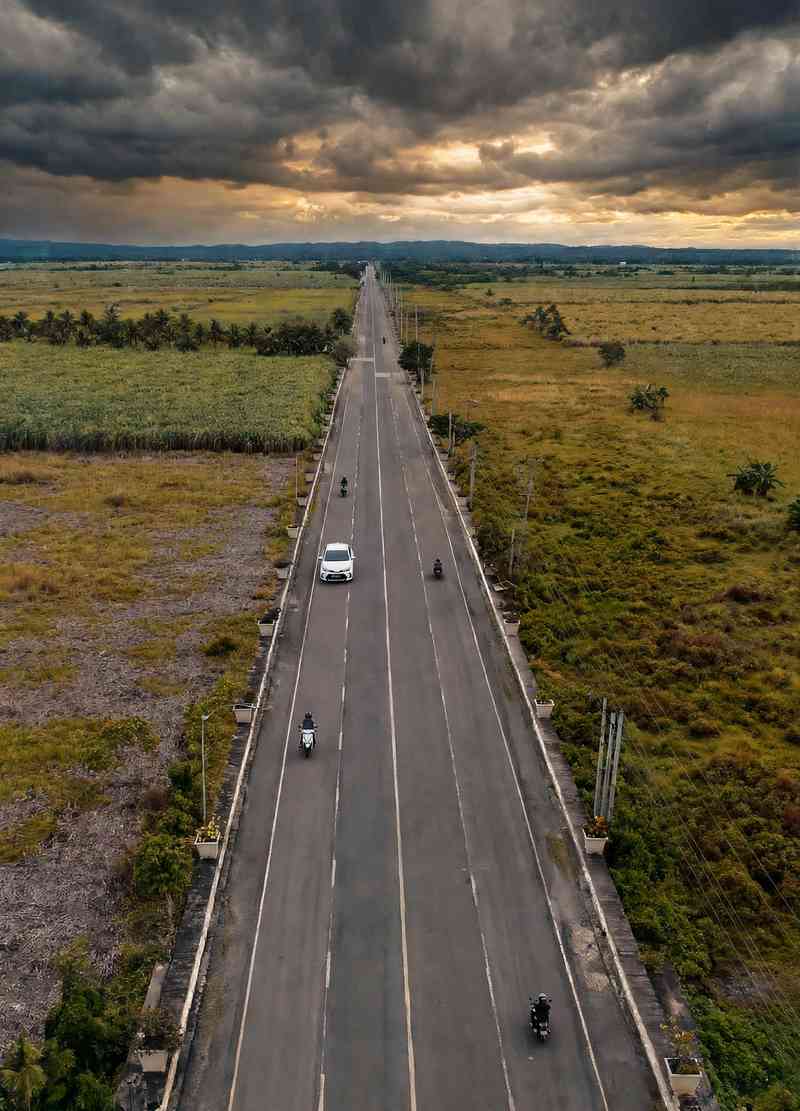
That flatness is the appeal. Medellin suits a slow day rather than a checklist: an island village a short boat ride offshore, reefs the town only recently opened to divers, and long, straight roads through cane fields that riders come up here just to cruise. There is no resort strip and very few packaged tours, so you will plan more of it yourself.
Below is what is worth stopping for, how to get there by bus or car, where to sleep, and what the town looks like a year after the September 2025 earthquake.
Things to do in Medellin, Cebu
Take a boat to Gibitngil Island
Gibitngil is an island barangay off the Medellin coast and the trip most visitors make. In 2022 the Department of Tourism ran a three-day assessment of its waters together with the provincial tourism office, the Coast Guard, DENR and BFAR, and the dive sites around the island passed. The town has been pitching itself as northern Cebu's next scuba stop ever since.
Above water, expect pale sand, sandbars when the tide drops and a fishing village with a school and a barangay hall, not a beach club. Bring your own snacks and water, and pack out your rubbish. Boat rates and departure points shift, so ask the municipal tourism office or your accommodation a day ahead, and check the tide table if the sandbars are the reason you are going.
Ride or drive the cane roads
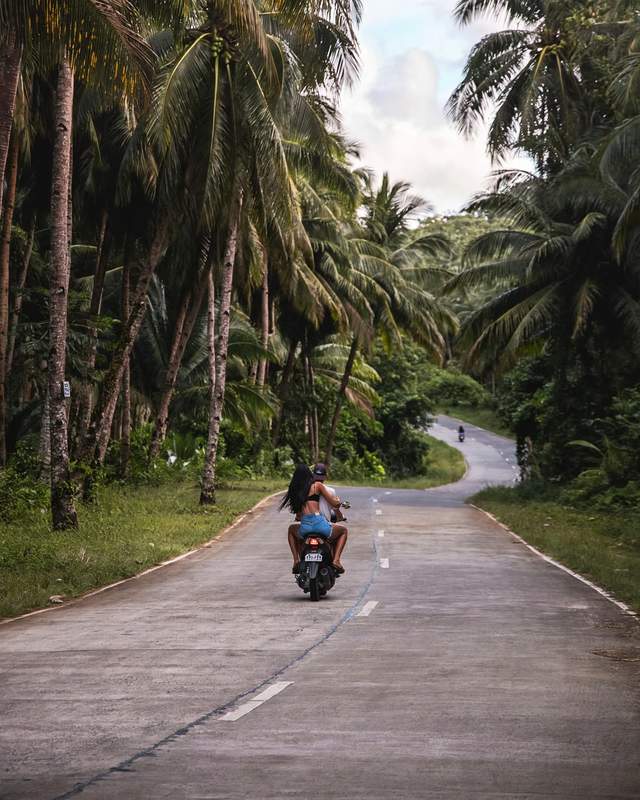
Medellin's best scenery is working farmland. Cane runs to the horizon on both sides of the road, coconut palms break up the green, and hills sit low on the skyline. Touring riders have a favourite stretch they call the Aisle of Medellin, shaded by a bamboo canopy. Go early or late in the day. At noon the light goes flat, the heat is hard work on a motorbike, and shade is scarce once you leave the town centre.
Keep an eye out for cane trucks. They are slow, often stacked high, and sometimes shed stalks on the bends, so give them room and only pass on a long, clear straight.
See the oldest working business in town
Sugar is the reason Medellin exists in its current shape. BOMEDCO has milled raw sugar at its plant in Barangay Luy-a since 1928, and the cane fields you drive past feed it. It is an industrial site rather than a heritage attraction, with no public tours on offer, so look from the road and don't walk in uninvited. When the mill is running you will notice it anyway: more trucks, more cane at the roadside, and more people working the fields.
Ask about the river and reef spots
Medellin has promoted a few quieter places over the years: the Dayhagon Canal, a man-made waterway about 1.5 km long lined with mangroves and good for birds; the Dagusungan River, which runs down to the Poblacion; and Discovery Reef off the east coast. Some of the facilities around them were built during an earlier tourism push and don't run on a fixed schedule. Check with the tourism office at the municipal hall which ones are open before you hire a ride out.
Time a visit with DIVE 7
In 2023 the town co-hosted the DIVE 7 festival with the Cebu provincial government and the Department of Tourism in Central Visayas. It was a four-day summer event built around golf, target shooting, motorcycle rides, snorkelling and diving, with an introductory "bubble maker" session for kids. It does not run on a set calendar, so look for an announcement from the province before booking a trip around it.
How to get to Medellin
By bus: northbound buses leave the Cebu North Bus Terminal throughout the day, with Ceres the operator most people know. Medellin is often not posted as its own destination, but buses bound for Daanbantayan and Maya run through it on the national highway, so tell the conductor where you want to get off. The Daanbantayan fare set in July 2026 is ₱301 aircon and ₱243 ordinary, and Medellin costs a little less; confirm at the ticket window. Allow around three hours, longer if you leave during the morning rush out of Cebu City and Mandaue.
By car or motorbike: head north on the main highway to Bogo City. Medellin is the next town. The road is wide and straight for most of the last stretch, which is exactly where speeding vans and cane trucks share space with tricycles, so drive defensively.
Getting around: tricycles and habal-habal cover short hops around the Poblacion and out to the coast. Agree on the fare before you set off, and arrange a pickup time if you are heading somewhere quiet.
Medellin a year after the 2025 earthquake
The magnitude 6.9 earthquake on the night of 30 September 2025 hit northern Cebu hard. In Medellin it killed 12 people and injured more than 70, cracked four bridges, and left some evacuation centres unsafe to use. Many residents camped outdoors through the aftershocks.
A year on, the province describes recovery across the north as far from complete. Its three-year rebuilding plan covers roads, bridges, classrooms and tourism, and much of the national funding had yet to arrive by September 2026. For visitors, that means road and bridge works along the northern highway, some schools and public buildings still under repair, and slower service in places. It also means that money spent locally on boat hire, food and rooms goes a long way. Be patient, keep photos respectful, and treat damaged buildings as people's homes and schools, not backdrops.
Where to stay
Medellin has only a handful of small inns and beach resorts. Bogo City, the next city south, has a wider choice of hotels and places to eat. Base yourself farther north if Medellin is a stop on a longer island trip: Daanbantayan puts you near the boats to Malapascua, and San Remigio's Hagnaya port is where the Bantayan Island ferries leave.
When to go
The drier months from around February to May give the calmest seas for the Gibitngil crossing and the clearest water for snorkelling. The southwest monsoon and typhoon months, roughly June to November, bring heavier rain and rougher water, and small boats may not go out at all. The cane roads are worth seeing in any season, but they look their fullest before harvest, when the stalks stand taller than the motorbikes riding past.
A simple day in Medellin
Take the first boat to Gibitngil while the sea is calm, and be back on the mainland by lunch. Eat in the Poblacion, then spend the afternoon on the cane roads once the heat eases. Finish on the western coast, where the sun goes down over the Tañon Strait toward Negros.
Medellin won't suit anyone after nightlife or a full-service resort. It rewards people who like open roads, fishing villages and a town that is still mostly about farming and fishing.

Comments
No comments yet. Been here recently? Share a tip or ask a question.
Leave a Reply