Mount Apo is the Philippines' highest mountain, rising to approximately 2,954 meters above sea level. Its summit is a rewarding destination, but the climb is not a casual day hike. Depending on the route, hikers pass through dense forest, mossy sections, river crossings, volcanic terrain, and exposed boulder fields before reaching the high-elevation summit area.
Planning matters as much as fitness. Mount Apo is a protected natural park, so climbers must follow the rules of the local government and protected-area authorities responsible for their chosen trail. You will need to arrange registration, permits, an accredited local guide, and the required pre-climb documents before setting out.
This guide explains the main Mount Apo trails, how to prepare your permit application, what expenses to include in your budget, and how to organize a climb without relying on outdated fee lists.
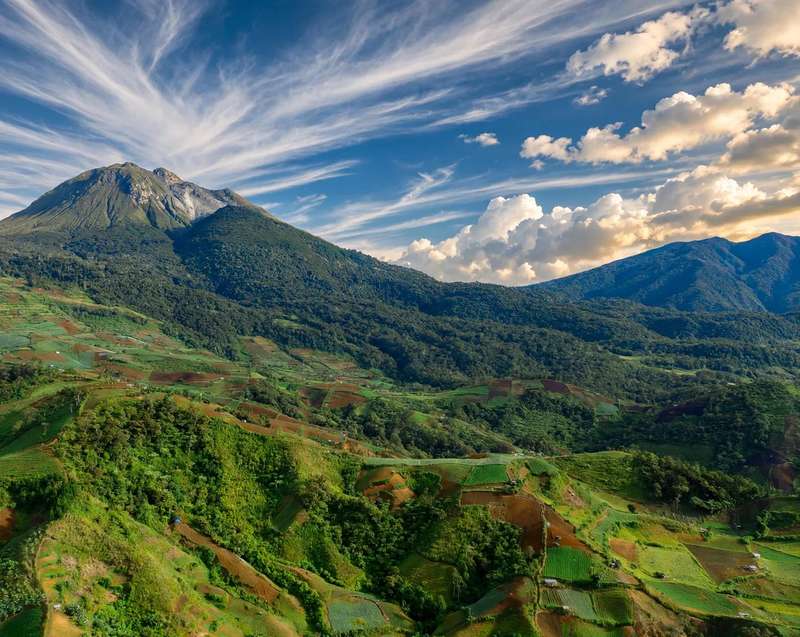
Mount Apo at a Glance
Key facts
- Mountain: Mount Apo, also known as Apo Sandawa
- Location: Mindanao, across parts of Davao City, Davao del Sur, and Cotabato
- Protected area: Mount Apo Natural Park
- Difficulty: Strenuous; route conditions and technical sections vary
- Guide: Arrange an accredited local guide through the relevant trail authority
- Permit: Required before entering the protected area for a climb
Mount Apo is not a single-trail mountain. Several entry points approach the mountain from different sides, and the route you choose affects the length of the climb, the terrain, the logistics, and the total cost.
Where Is Mount Apo?
Mount Apo is in southeastern Mindanao, within the boundaries of Davao City, Davao del Sur, and Cotabato. It is accessible from several communities, including trailheads in Digos or Santa Cruz, Kidapawan, Makilala, and Magpet.
Davao City is a convenient gateway for many travelers arriving by air. Kidapawan is another practical base for the North Cotabato side of the mountain. Your best arrival city depends on the trail you book, so decide on the route before purchasing onward transport.
The mountain is part of Mount Apo Natural Park, a protected landscape known for its forests, wildlife, volcanic features, and highland ecosystems. It is also an important natural and cultural place for communities in the region. Climbers should treat the mountain as a protected area, not simply as a recreational playground.
Mount Apo Trails: Which Route Should You Choose?
There are several established approaches to Mount Apo. Trail names and access arrangements can vary by local office and operator, so confirm the exact jump-off point and route description when booking. Do not assume that a package advertised under one trail name follows the same itinerary as another operator's trip.
Kapatagan Trail
Digos CityThe Kapatagan side is one of the best-known approaches to Mount Apo. The route is associated with the Digos and Kapatagan highlands and is often used for climbs that include the mountain's forest, volcanic terrain, and boulder sections.
Expect a demanding mountain trek rather than a straightforward uphill walk. The route can involve long hours on foot, steep sections, changing weather, and exposed terrain near the summit. Some itineraries use Kapatagan as part of a traverse, entering on one side and descending through another.
Good for: hikers who want a classic Mount Apo climb and are comfortable with a strenuous multi-day trek
Plan for: a multi-day itinerary, a local guide, advance permit arrangements, and a clear agreement about the entry and exit points
Sta. Cruz / Boulder Face Route
Sta. Cruz, Davao del SurThe Sta. Cruz approach is widely associated with Mount Apo's dramatic boulder terrain. The boulder section is one of the mountain's most recognizable features, with large volcanic rocks that require careful footing and, in places, scrambling with the hands.
This is not a route to choose simply because it looks impressive in photographs. Loose or uneven rocks, changing weather, and exposure can make progress slow. Gloves with a durable grip, secure footwear, and a properly fitted backpack are useful.
Good for: experienced hikers who want to include the boulder-field experience and are prepared for technical terrain
Plan for: extra time around the boulders, suitable gloves, careful movement, and strict compliance with guide instructions
Kidapawan: Mandangan Trail
Kidapawan City, CotabatoThe Mandangan Trail is a popular approach from the Cotabato side and the shorter of the main routes: a two-day experience featuring boulders, sulfuric volcanic features, rainforest, river trekking, and views of Lake Agco and Lake Venado.
Although it may be shorter than some alternatives, that does not make it an easy walk. The terrain remains mountainous, and river crossings, slippery sections, altitude, and weather can make the route physically demanding.
Good for: climbers approaching from Kidapawan who want a shorter route option and a varied mountain environment
Plan for: confirming the current itinerary, the number of days, campsite arrangements, and whether the planned route reaches the summit or follows a different turnaround schedule
Makalangit: New Israel Trail
Makilala, CotabatoThe Makalangit–New Israel route approaches Mount Apo through Makilala in Cotabato. It is one of the official trails included in the 2026 trail assessment activities conducted by the protected-area office and partner local governments.
The route passes through a highland landscape, and the precise itinerary should be confirmed with the local tourism office or authorized organizer. Ask about the trail's current condition, expected hiking hours, campsite, and summit schedule rather than relying on a generic Mount Apo itinerary.
Good for: hikers who want to explore an approach from the Makilala side and can arrange their climb with the local authorities
Bongolanon Trail
Magpet, CotabatoBongolanon in Magpet is another established entry point on the Cotabato side. It was also included in the 2026 trail assessment activities for Mount Apo Natural Park.
As with the other routes, the experience depends on the current approved itinerary and trail conditions. Ask whether your climb is a summit attempt, a multi-day trek to a designated campsite, or part of a traverse.
Good for: climbers who prefer to arrange their trip through the Magpet side and want to compare a different approach with Kidapawan or Makilala
Which Mount Apo Trail Is Best?
There is no universal best route. Choose according to your experience, available days, preferred terrain, and the local office's current access arrangements.
- Kapatagan / DigosForest sections and demanding mountain terrain. Confirm whether the itinerary is a single-route climb or a traverse.
- Sta. Cruz / Boulder FaceLarge volcanic boulders and exposed scrambling. Requires confident footing and suitable gloves.
- Kidapawan / MandanganRainforest, river trekking, boulders, and highland lakes. Ask about the current summit itinerary and duration.
- Makilala / New IsraelA recognized official approach from Makilala. Confirm access and route arrangements locally.
- Magpet / BongolanonAn established approach from Magpet. Check the current trail condition and approved itinerary.
In September 2026, the Mount Apo Natural Park office and partner local governments completed trail assessments on the Makalangit–New Israel, Bongolanon, and Mandangan trails. The routes were generally found to be in excellent and passable condition, although some sections needed rehabilitation or minor improvements. Conditions can change after heavy rain, so a recent assessment is not a guarantee that every section will be in the same condition on your climb.
Mount Apo Climb Permits and Requirements
A permit is not optional. Mount Apo is a protected area, and Philippine law prohibits entering protected portions of the park for activities such as mountain climbing and camping without the required authorization.
The permit process is handled through the local authorities responsible for the chosen trail. The exact steps and paperwork can differ between entry points. Start with the tourism office or authorized trail organizer for your chosen jump-off instead of assuming that one city's permit automatically covers every route.
Documents to Prepare
For a Kapatagan climb, Digos City asks for the following:
- Application formCompleted, with a recent identification photo.
- Medical certificateOne for each climber.
- Valid IDA photocopy of a valid ID.
- Signed waiverA waiver of responsibility.
- Orientation certificateShowing attendance at the required orientation or briefing.
Other trail offices may have their own forms, requirements, and procedures. Ask for the latest checklist before travelling to the jump-off point. Keep digital and printed copies of your documents, and bring the originals when instructed.
Why Is a Medical Certificate Required?
A Mount Apo climb involves sustained physical effort, uneven terrain, altitude gain, and exposure to cold and wet conditions. A medical assessment helps determine whether a climber is fit to attempt the route.
Do not treat the certificate as a formality. If you have a health concern, discuss the climb with a qualified medical professional before booking. Be honest about your fitness and any limitations when speaking with the guide or organizer.
Is a Guide Mandatory?
Plan on climbing with an accredited local guide. Do not attempt an independent climb or enter through an unofficial trail. A guide helps with navigation, local procedures, campsite arrangements, weather decisions, and safe movement through difficult sections.
Confirm that the guide is accredited for the specific route you are taking. Ask whether the quoted fee covers the guide only or also includes coordination, porter services, meals, and other support.
When Should You Apply?
Arrange the climb well before your intended travel date, especially during popular climbing periods and long weekends. Group capacity, weather, park rules, and trail closures can affect availability.
Do not buy non-refundable flights solely on the assumption that the mountain will be open. Confirm the current climbing schedule, permit status, and trail access first. Mount Apo has seasonal restrictions and can be closed for safety, conservation, or rehabilitation reasons. The 2026 off-season restriction ended before the September reopening, but future schedules must be checked with the relevant authorities.
Mount Apo Climb Costs: How Much Should You Budget?
The total cost depends on your trail, number of days, group size, transport, guide and porter arrangements, and what your package includes. There is no single price that applies to every Mount Apo climb.
A useful starting point is the Kapatagan permit process in Digos City, where the 2023 published charges were as follows.
They apply to the Digos process and should not be assumed to cover Kidapawan, Makilala, Magpet, or other entry points.
Other Expenses to Include
Apart from the permit, guide, and porter, account for the following.
- Transportation to the jump-offBus, van, private vehicle, or local transfer from your gateway city.
- Local transfersHabal-habal or other transport between the town and trailhead, where applicable.
- Food and drinking waterMeals during the approach, climb, and return journey.
- Camping equipmentTent, sleeping bag, sleeping mat, stove, and cooking supplies if not included.
- Porter serviceOptional on some arrangements, but useful if you need help carrying group equipment.
- AccommodationHotel or guesthouse before and after the climb.
- Personal equipmentRain protection, warm layers, gloves, headlamp, and trekking footwear.
- ContingencyExtra money for delays, transport changes, or an additional night.
Should You Join a Climb Package?
A guided package can simplify the logistics, especially for first-time visitors who are unfamiliar with the jump-off town. Packages may combine registration assistance, guide services, local transfers, food, camping equipment, and porter support.
However, compare inclusions carefully. Ask for an itemized quotation and confirm the following.
Before you book
- Which trail and jump-off are included?
- How many days and nights does the itinerary cover?
- Are permits and environmental or registration fees included?
- Is the guide accredited for that route?
- Are porters included, and what is the weight limit?
- Are meals, drinking water, tents, and sleeping equipment provided?
- Is transport from the gateway city included?
- What happens if the climb is postponed or cancelled due to weather or a park closure?
A low advertised price may exclude important expenses. Compare the full cost rather than the headline package rate.
How to Get to Mount Apo
Your transport plan should follow the trail you choose.
From Davao City
Fly in, then go by land
Davao City is a practical gateway for climbs using approaches in Davao del Sur. Travelers can arrive at Francisco Bangoy International Airport and continue by land toward Digos or the designated jump-off. For a Kapatagan or Sta. Cruz climb, confirm the exact meeting point with your organizer. A bus or van to Digos may be followed by a local transfer to the trailhead, and the final leg can involve mountain roads, so arrange the pickup in advance.
From Kidapawan City
Mandangan jump-off in Ilomavis
For the Mandangan Trail, travel to Kidapawan and coordinate with the local tourism office or your organizer for the transfer to the jump-off in Barangay Ilomavis. Mandangan is Kidapawan's Mount Apo route, combining rainforest, river trekking, boulders, and highland lakes. Confirm the current meeting point and local transport before arrival.
From Makilala or Magpet
Arrange it with the local office
If you choose the Makalangit–New Israel Trail or Bongolanon Trail, arrange your arrival and transfer with the tourism office or organizer handling that route. These trailheads are not interchangeable, and travelling to the wrong town can add unnecessary time and cost.
Sample Mount Apo Climb Itinerary
The following is a general three-day structure, not a guaranteed itinerary for every trail. Your guide and local tourism office should provide the approved schedule for your route.
- Day 1Registration and approach to camp
Arrive at the jump-off at the time set by the organizer, then complete registration, document checks, and the required briefing. Trek with your guide, take scheduled rest and meal breaks, and continue to the designated campsite. Set up camp, eat, hydrate, and prepare your equipment for the next day.
- Day 2Summit attempt and descent
Start early according to the guide's instructions and follow the route toward the summit area. Move carefully through exposed or rocky sections, and allow time for photographs and rest without delaying the group. Descend to the designated campsite or follow the approved itinerary.
- Day 3Descent and return
Pack camp and check that no rubbish is left behind. Descend with the group, following the guide's instructions at river crossings and slippery sections. Complete the required exit or trail checks, then return to the town or arranged transport point.
The summit schedule depends on weather, trail conditions, and the route. Your guide may change the plan if visibility, wind, rain, or safety conditions deteriorate.
Some routes are organized as two-day climbs, while traverses or longer itineraries can take four days or more. Do not force a three-day schedule onto a route that requires additional time.
Best Time to Climb Mount Apo
Mount Apo is affected by seasonal weather and official climbing restrictions. Conditions in the mountains can change quickly, so plan around three things.
Weather
The drier months
The drier months are generally more attractive for hiking because trails may be less muddy and visibility can be better. However, rain is possible even during a generally dry period.
Season
An annual off-season
Trekking and camping may be prohibited during the off-season. In 2026, a restriction covering June through August was followed by a reopening in September. Dates and rules can change, so check the latest announcement from the protected-area office and the local government managing your trail.
Flexibility
Keep your dates loose
A flexible itinerary is especially useful during periods of unsettled weather, since trail closures and no-go days can shift your climb by a day or more.
Before confirming travel, ask the local office these questions.
- Is the trail officially open on the intended dates?
- Are permits being issued for the chosen route?
- Are there daily or group-size limits?
- Is there a weather advisory or temporary restriction?
- Has the route been affected by fire, landslide, flooding, or rehabilitation work?
What to Pack for a Mount Apo Climb
Mount Apo's lower forest sections can be humid, while higher camps and exposed areas can be cold, windy, and wet. Pack for changing conditions rather than assuming Mindanao's tropical climate will make the entire climb warm.
Clothing
- Moisture-wicking shirts
- Trekking pants
- Warm insulating layerA fleece or light down jacket.
- Waterproof outer shellWaterproof or highly water-resistant.
- Extra socks
- Gloves for rough rockSuitable for gripping rough rock.
- Hat or capPlus a warm layer for the head.
Hiking Equipment
- Properly fitted backpack
- Broken-in trekking shoesWith reliable grip.
- HeadlampWith spare batteries.
- Trekking polesIf permitted and useful for your route.
- Water bottles or hydration system
- Personal first-aid supplies
- Dry bags or pack linersWaterproof, for everything that must stay dry.
- Sleeping bag and sleeping matIf not provided.
Food and Personal Items
- Trail snacks and energy food
- Personal medication
- Sunscreen and insect repellent
- Toiletries and hygiene supplies
- Small towel
- Power bankIn a waterproof pouch.
- Reusable rubbish bag
Ask your organizer for a route-specific packing list. Some climbs provide tents, cooking equipment, meals, or shared group gear, while others expect participants to bring their own.
Fitness and Safety: Is Mount Apo Suitable for Beginners?
Mount Apo is not the best first hike for someone who has little experience walking on uneven terrain. Even routes described as shorter or moderate involve sustained exertion, elevation gain, and conditions that can become difficult when wet.
Before attempting the climb, build up your fitness with regular walking, stair climbing, and hikes that gradually increase in distance and elevation. Practice carrying the backpack you intend to use. If you have not completed a multi-day hike before, consider gaining experience on a less demanding mountain first.
During the climb
- Stay with your groupFollow the accredited guide at all times.
- Drink and eat regularlyMaintain your energy through the day.
- Keep warmChange out of wet clothing when possible.
- Take care on rough groundBoulders, loose rocks, and river crossings need slow, deliberate steps.
- Keep away from volcanic ventsDo not approach or linger around them.
- Speak up earlyTell your guide immediately if you feel unwell, unusually breathless, dizzy, or unable to continue.
- Accept a turnaround decisionIf the guide considers the conditions unsafe, turn back.
There is no shame in turning back. Reaching the summit is never more important than returning safely.
Responsible Climbing in Mount Apo Natural Park
Mount Apo's forests and wildlife are part of a protected ecosystem. Every climber contributes to the condition of the mountain, whether through responsible behavior or careless decisions.
Carry out all rubbish, including food wrappers and packaging. Avoid leaving biodegradable waste at campsites. Stay on authorized trails, do not collect plants or disturb wildlife, and do not make unnecessary noise in sensitive areas.
Respect local communities and Indigenous cultural values. Follow campsite rules, use designated areas, and listen to your guide's instructions. If a section is closed for rehabilitation or conservation, do not look for an unofficial alternative.
Frequently Asked Questions About Climbing Mount Apo
How many days does it take to climb Mount Apo?
Many climbs take around two to four days, depending on the trail, whether the itinerary includes a traverse, and the local authorities' approved schedule. Confirm the exact number of days before booking.
Do I need a permit to climb Mount Apo?
Yes. Mount Apo is a protected natural park, and climbers must obtain the required authorization before entering for a climb. The application process depends on the chosen trail and its responsible local office.
Can I climb Mount Apo without a guide?
Plan to climb with an accredited local guide arranged through the relevant trail authority or authorized organizer. Independent entry is not an appropriate way to approach this protected mountain.
Which Mount Apo trail is easiest?
There is no route that should be treated as easy. Kidapawan's Mandangan Trail is the shorter approach, but it still includes demanding mountain terrain. Choose based on your fitness, experience, and the current approved itinerary.
How much does a Mount Apo climb cost?
The total varies by trail, group size, duration, transport, guide and porter fees, and package inclusions. For reference, Digos City's 2023 rates were a ₱1,000 regular permit and a ₱1,500 peak-season permit, plus guide and porter charges. These figures must be checked against current rates before travel and should not be applied to other trailheads.
Is Mount Apo open all year?
No. Seasonal restrictions and temporary closures may affect access. Check the current climbing schedule and trail status with the protected-area office and the local government responsible for your route.
Can beginners climb Mount Apo?
A beginner with good general fitness may be able to prepare for a suitable route, but Mount Apo should not be treated as a first-ever hike. Build hiking experience, train beforehand, and choose a route with advice from the local guide or organizer.
Is a Mount Apo Climb Worth It?
For hikers who are prepared for a demanding multi-day trek, Mount Apo offers an experience that is difficult to match elsewhere in the Philippines. Its forests, volcanic landscape, boulder fields, highland camps, and summit views make the journey memorable, but the mountain demands respect at every stage.
The smartest way to plan is to choose the trail first, contact the responsible local tourism office, confirm the current permit requirements and fees, and book only after checking that the route is open. Prepare your body and equipment, allow enough time for the climb, and follow your guide's decisions on the mountain.
The summit may be the goal, but a well-planned climb is one that brings everyone safely back down.


Comments
No comments yet. Been here recently? Share a tip or ask a question.
Leave a Reply