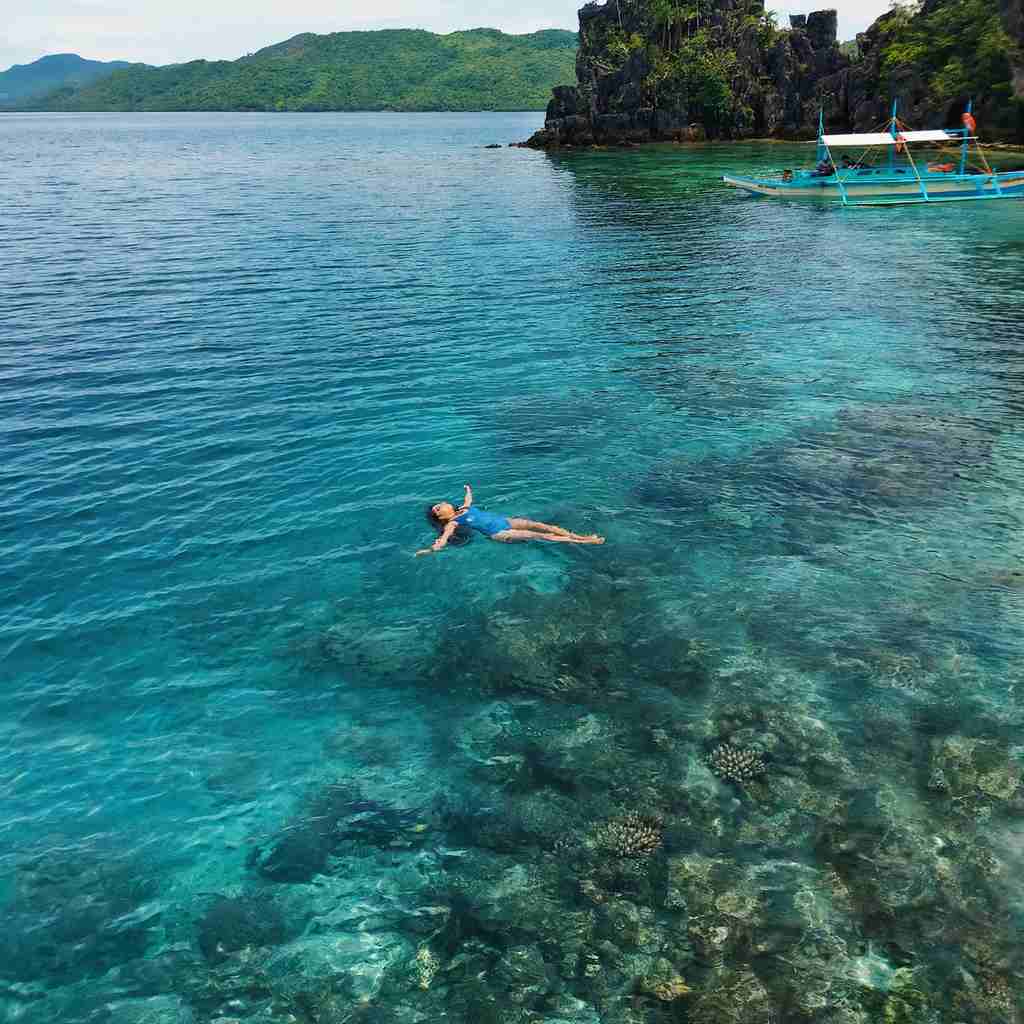
The lagoons on most Palawan postcards sit inside two tour loops, one in El Nido's Bacuit Bay and one around Coron Island. They are worth seeing, and they are also where every boat goes. The province is much bigger than those two bays, and some of its clearest water and emptiest sand is in places that take an extra boat ride, a long van trip or an overnight ferry to reach.
This guide goes area by area, from the famous lagoons to the far south, and gives each spot the same few answers: how you get there, which tour covers it, when to go and how busy it gets. Use it to decide which corner of Palawan matches the trip you want, then plan the details from there.
Boat routes, fees and ferry schedules in Palawan change with the season and the weather. Treat the figures here as a starting point and confirm them locally before you pay.
Palawan's Lagoons and Beaches by Area
Each area suits a different kind of trip. The first two are easy to reach and busy. The last three take more effort and reward it with quiet.
North · Easy
El Nido and its northern beaches
Classic limestone lagoons on day tours, plus long open beaches a short ride from town.
North · Easy
Coron and the Calamianes
Lakes and lagoons inside Coron Island, with quieter beaches toward Culion.
Between the two · Moderate
Linapacan
Small islands and very clear water, reached by chartered boat or on multi-day expeditions.
Far south · Hard
Balabac
Remote islands and sandbars at the southern tip, visited on camping tours of several days.
Sulu Sea · Hard
Cuyo Islands
An island group far east of mainland Palawan, with a Spanish-era fort town and white-sand islets.
El Nido: The Famous Lagoons and the Beaches North of Town
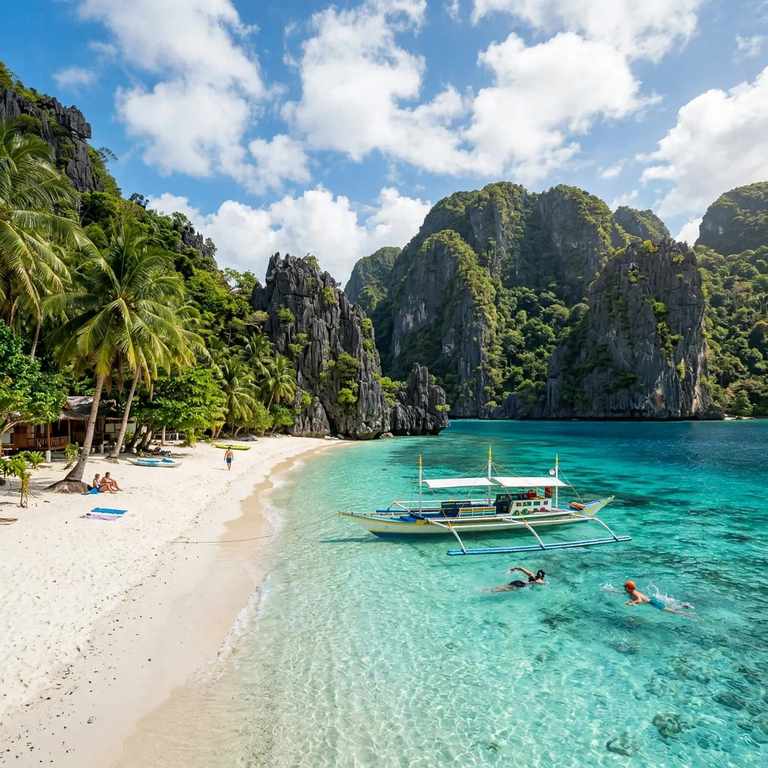
Bacuit Bay is where most people first picture Palawan: tall limestone walls, emerald water and narrow channels you paddle through. The lagoons are reached only by boat, and the busiest ones now run on timed entry with separate fees, so it pays to go with an operator who handles the booking. Our guide to El Nido island hopping tours A to D explains which tour visits which stop.
- Big Lagoon and Small LagoonThe two lagoons on Miniloc Island, explored by kayak. Both are on Tour A. Go on the first boats of the day, before the channels fill up.
- Secret LagoonA small pool behind a gap in the rock, also on Tour A. It is tiny and crowded at midday, so time matters more here than anywhere else.
- Hidden BeachA cove enclosed by cliffs on Tour C, usually a quieter day than Tour A. Water shoes help on the rocks at the entrance.
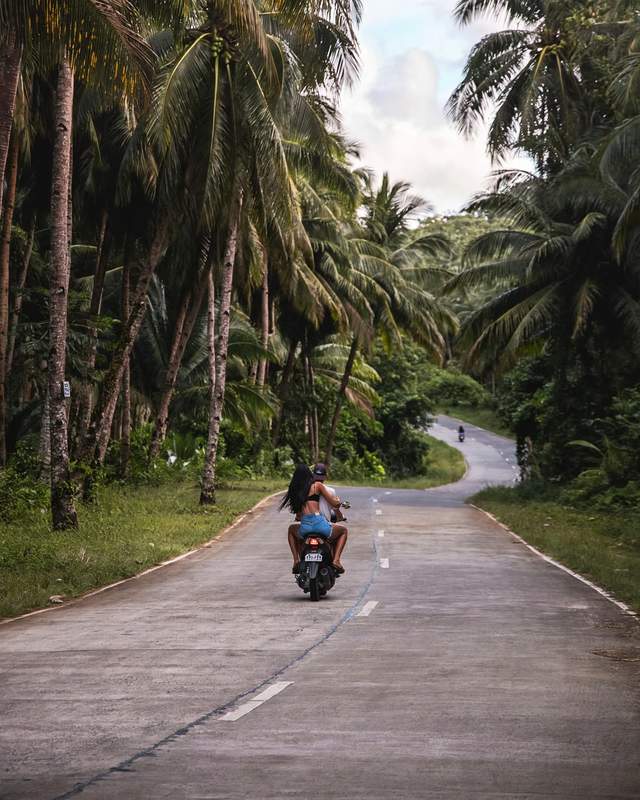
- Nacpan and CalitangAbout 17 km north of town, roughly 45 minutes by tricycle or scooter. Around four kilometres of sand with no standard entrance fee. Arrive before 10 am, when the day groups start coming in.
- Duli BeachAnother half hour north on a rougher road. Far fewer visitors and bigger, steadier waves, which makes it a favourite with surfers.
Every visitor to El Nido pays the ₱400 ecotourism development fee, valid for ten days. Lagoon fees are paid on top, usually through your tour operator.
Coron and the Calamianes: Lakes, Lagoons and Quiet Islands
Coron's version of the lagoon day is different. The main sights are inside Coron Island itself, where karst walls hold lakes of very clear water, and the boat trips are short. Head south toward Culion and the islands get smaller, flatter and much quieter.
- Kayangan LakeReached by a steep stairway, with the famous viewpoint over the lagoon on the way up. It is on most Coron Island tours and busiest from mid-morning.
- Twin LagoonTwo lagoons joined by a gap in the rock that you swim through at low tide or climb over by ladder at high tide. Warm and cooler water layer where fresh and salt water meet.
- Barracuda LakeA deep lake inside Coron Island known for its sharp temperature changes. It is mainly a dive site, but strong swimmers can snorkel the edges.
- Malcapuya, Banana and Bulalacao islandsWhite-sand islands in Culion's waters, often grouped into one long boat day from Coron. Our Culion Island guide covers the rest of that area.
Most of these stops are bundled into Coron's standard tours, and our rundown of Coron island hopping tours compares the options.
Linapacan: Between Coron and El Nido
Linapacan is a municipality of small islands south of the Calamianes, roughly midway between Coron and El Nido. It has no big tour loop, few resorts and some of the clearest water in the province, which is why the multi-day boat expeditions between El Nido and Coron often stop in its waters.
- Getting thereCharter a boat from Coron, or from the San Fernando area north of El Nido, or join an El Nido to Coron expedition that includes a Linapacan stop.
- Where to goPatoyo Island is the best-known stop, and there are plenty of unnamed coves and reefs between the islands.
- Before you goThere are no ATMs, and power in the town of San Miguel has not run all day, so bring cash and a battery pack.
Balabac: The Far South
Balabac is a group of islands off the southern tip of Palawan, close to the border with Malaysia. Pale sandbars, clear shallows and turtles feeding near the shore are the draw, and there is almost no tourism infrastructure. Most visits are organised tours of about four days and three nights, with camping on the islands.
- Getting thereTour vans leave Puerto Princesa before dawn for Buliluyan Port at the southern end of the mainland, then boats continue to the islands. Expect up to six hours of travel.
- Onok IslandThe best-known island in Balabac, with clear water and turtles that come close to feed. Not every tour stops here, and few include an overnight stay, so check before you book.
- What to expectTents, basic showers and toilets, and little or no phone signal. The islands are privately run and visited only with a tour.
December to April is the usual window for Balabac trips, when the seas are calmer.
Cuyo Islands: Palawan in the Sulu Sea
The Cuyo Islands lie far to the east of mainland Palawan, closer to Panay than to Puerto Princesa. Cuyo town is one of the oldest settlements in the province, built around a Spanish fort from 1677 with a church inside its walls. The islands around it have white sand and very few visitors.
- Getting thereMontenegro Shipping Lines links Iloilo, Cuyo and Puerto Princesa, with the Iloilo leg taking around 12 hours and the Puerto Princesa leg 16 or more. Small regional airlines have served Cuyo's airport, so check for current flights.
- Islands to hopPandan Island is the main white-sand stop, with Bisucay and several other small islands nearby.
- On the main islandThe fort and church in town, plus Capusan and Lucbuan beaches for a swim without a boat.
Plan Cuyo between November and May. Waves during the rainy season are often rough, and ships can be delayed.
Planning a Lagoon and Beach Trip
Before you go
- Go earlyThe famous lagoons are calmest and emptiest on the first boats out. By late morning, the queues build.
- Match the seasonNovember to May is the calmer, drier period. From June to October, the southwest monsoon cancels boats and ferries, and remote trips are hardest to rearrange.
- Carry cashLinapacan, Balabac and the smaller Cuyo islands have little or no access to ATMs.
- Leave the reef as you found itDon't stand on coral, touch turtles or take shells, and use reef-safe sunscreen.
For a first trip, El Nido or Coron will show you Palawan's best-known lagoons with the least effort. Once you have seen those, Linapacan, Balabac and Cuyo are where the province gets quiet again, and where the planning becomes part of the adventure.
Photo credit: Elaine Bernadine Castro on Pexels.
Comments
No comments yet. Been here recently? Share a tip or ask a question.
Leave a Reply