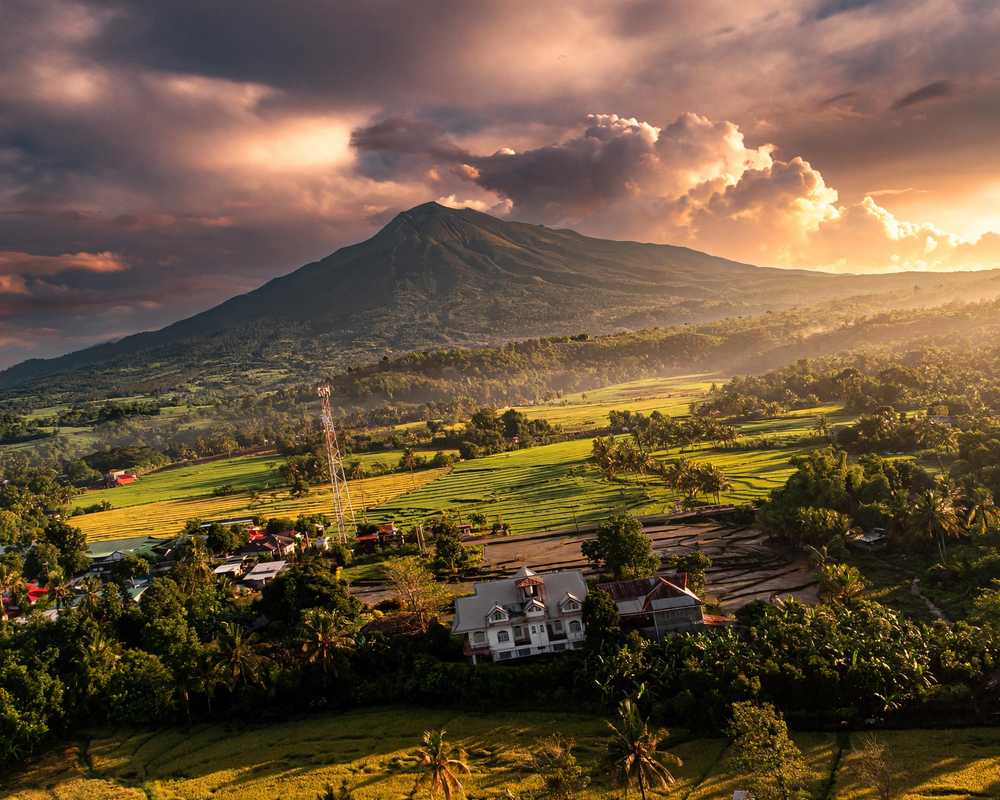
Canlaon City sits on the slopes of Mount Kanlaon, the highest peak on Negros and one of the most active volcanoes in the Philippines. In 2026 the volcano has been anything but quiet. It erupted on 9 July and again on 10 October, kept releasing ash in the days that followed, and remains under Alert Level 2.
That does not automatically put the whole city off-limits. Canlaon's waterfalls, viewpoints and giant balete tree sit outside the volcano's permanent danger zone, and they have reopened before after quieter spells. But conditions change from week to week, and a trip here needs more checking than an ordinary weekend away.
This guide explains what the alert level means, what happened in 2026, which places travellers usually visit, and how to decide whether to go.
What Alert Level 2 Means
Phivolcs, the state volcano agency, rates Kanlaon on a scale from Alert Level 0 to 5. Alert Level 2 means increasing unrest. At this level, sudden steam-driven or ash explosions can happen with little or no warning, even when the summit looks calm from town.
The rule that matters most for visitors is the 4 km Permanent Danger Zone around the summit. Entry is strictly prohibited. Climbing the volcano is not allowed, and neither is wandering up the slopes for a closer look at the crater.
After the October eruption, Phivolcs also asked communities within 6 km of the summit to stay alert. Check the latest Kanlaon bulletin for the exact restricted area before you travel, since it can widen at short notice.
What Happened in 2026
9 July. A moderately explosive eruption at 7:33 am lasted about three minutes. An ash column rose 2 to 3 km above the crater, and pyroclastic density currents ran down the southeastern slopes. Ash fell on central Canlaon City, and rocks and debris landed in Sitio Matagbak. Heavy rain in the same period raised the risk of lahars, or volcanic mudflows, along rivers draining the volcano.
10 October. Another moderately explosive eruption, lasting a few minutes around midday, sent an ash plume above the summit. Phivolcs ash modelling showed the plume reaching more than 8 km above sea level. Ten separate ash emission events followed the next day, and three more on 12 October.
By 12 October, the Office of Civil Defense counted about 24,000 families affected by ash, with close to 8,000 people still in evacuation centres. The volcano stayed at Alert Level 2 through both eruptions.
The Places Visitors Usually Go
When conditions allow, Canlaon's main attractions are:
Padudusan Falls and Natural Water Slide, a favourite for swimming and sliding down smooth rock
Bao-bao viewing deck, with views across the volcano's lower slopes
The giant balete tree, one of the city's best-known landmarks
Quipot Falls, a waterfall on the lower slopes
All of these sit outside the 4 km Permanent Danger Zone. After the December 2024 eruption, the city closed them. They reopened in August 2025 under Executive Order No. 2025-15, once Phivolcs lowered the alert from Level 3 to Level 2, and visitors were asked to register with the City Tourism Office or at each site.
The city can close sites again quickly when the volcano acts up. After the 2026 eruptions, confirm with the Canlaon City Tourism Office that the place you want to see is open on the day you plan to visit.
How to Decide Whether to Go
Check Phivolcs first. Read the latest Kanlaon bulletin the day before and the morning of your trip. Look for the alert level, any change to the danger zone, and recent explosions or ash emissions.
Call the City Tourism Office. It can tell you which sites are open, whether you need to register, and whether any roads are closed.
Watch the weather. Heavy rain raises the lahar risk along rivers and gullies that run off the volcano. Skip river crossings and waterfall trails after a downpour.
Pack for ash. Bring well-fitting face masks and eye protection. If ash falls, stay indoors where you can and keep windows closed.
Keep plans flexible. Book rooms and transport you can change, and have a second option on Negros in case Canlaon's sites close. Our Negros Oriental weekend getaways guide has trips further from the volcano.
Respect evacuation areas. Thousands of residents have spent long periods in evacuation centres. Avoid sightseeing in affected barangays and follow instructions from local officials.
Who Should Wait
If you are travelling with young children, older relatives or anyone with asthma or other breathing problems, a quieter period is the better choice. Ash irritates the lungs and eyes, and conditions can change faster than a family group can pack up and move.
Canlaon is one of five towns in our Beyond Dumaguete guide, and the other four are much further from the volcano if you want a trip on Negros while Kanlaon settles.
The Bottom Line
Canlaon is not closed as a whole, but it is a place to visit with care in 2026. The volcano has erupted twice this year and remains at Alert Level 2. The waterfalls and viewpoints outside the danger zone have reopened before and may be open again, but check with Phivolcs and the City Tourism Office before you set off, never enter the 4 km Permanent Danger Zone, and be ready to change plans at short notice.