Heavy equipment is back on the Loboc River. In October 2026, work resumed on a DPWH flood control project in Loboc, Bohol, months after a halt that followed complaints over steel walls going up where nipa palms used to grow. For anyone planning a Bohol countryside tour, the practical question is simple: does the floating lunch cruise still run, and is it still worth the stop?
The cruise is operating. What has changed is the scenery along some stretches of bank, and the mood in a town that earns much of its living from this river. Below is what the project involves, why it divides Loboc, and how to plan a visit while the work continues.
Loboc sits about 24 kilometres from Tagbilaran, roughly 30 to 45 minutes by road. Most visitors reach it on a day tour that also takes in the Chocolate Hills and a tarsier stop, so a change here ripples through a lot of Bohol itineraries.
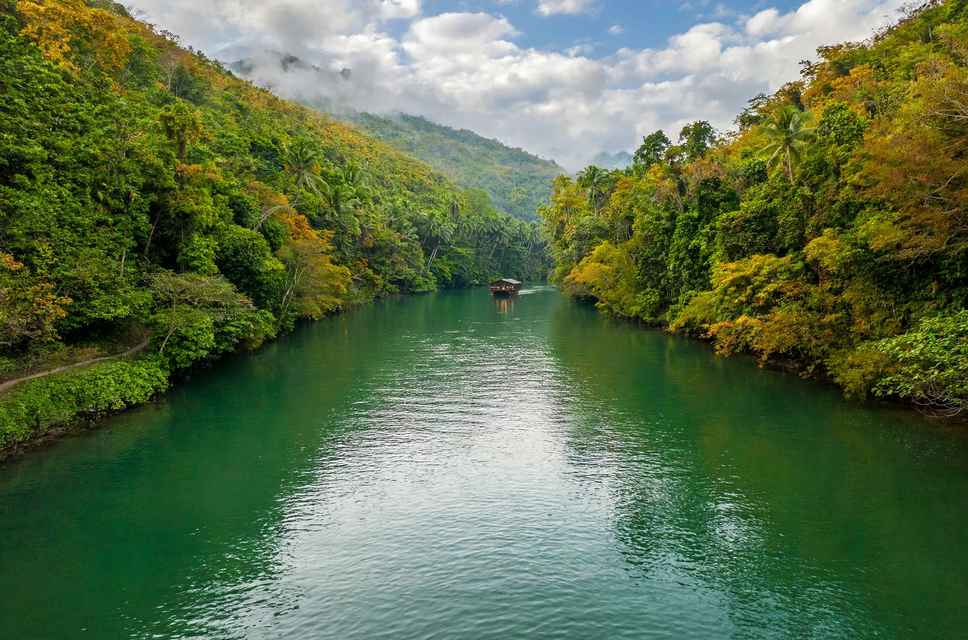
What is being built on the Loboc River
The project is a riverbank protection and flood control job under DPWH Central Visayas, with a price tag of around P3.5 billion. The work involves dredging the river and driving steel sheet piles into vulnerable banks to hold them in place.
According to the Loboc municipal government, the protected banks cover 11 barangays, among them Canlasid, Ugpong and Valladolid, with 1,267 residents living along the affected areas. In a statement on Thursday, 22 October, the town backed the project, pointing to years of flooding and erosion that have threatened riverside homes, roads and communities. It also said talks with DPWH and local groups led to changes in the plan, including a commitment to bring greenery back to the banks once construction ends.
Why the works stopped, and why people are upset again
The trouble started earlier in the year. Tourism operators and residents complained that crews were clearing nipa and changing the natural edge of the river. Members of the Bohol Provincial Board went to see the site on 20 June and again on 24 July 2026. Construction was later put on hold.
When the machines returned in October, the criticism came back with them. Some residents and visitors have called the result an uglification of the river, and a Save Loboc River call has spread on social media.
Part of the frustration is about paperwork. At a session of the Bohol Sangguniang Panlalawigan on 3 July 2026, DPWH Region VII acknowledged that the Loboc River protection project had no completed feasibility study or comprehensive master plan. The Provincial Board has asked for the Environmental Compliance Certificate, environmental permits, technical studies and compliance reports, and wants DENR at the table for an open dialogue.
Few people in Loboc are arguing against flood control itself. The push from tourism groups and advocates is for a design that works with the river: nature-based options, bioengineered bank stabilisation and firm limits on what can be built along the riparian zone. Those ideas were already on the table at provincial workshops on the Loboc River tourism system held in February and May 2026, under a climate and disaster resilience programme supported by Global Affairs Canada.
Is the Loboc River cruise still running?
Yes. The floating restaurants still run lunch cruises, usually between about 10 a.m. and 3 p.m., with a buffet on board and a cultural performance on the way upriver toward Busay Falls.
Recent listings put the adult rate for lunch and cruise at about PHP 1,000. Children between 3 and 4 feet tall pay around PHP 412, those under 3 feet ride free, and seniors with a valid ID pay around PHP 800. Older blogs quoting PHP 450 to 550 are out of date, as rates went up in April 2026. Some operators charge for no-shows, so read the booking terms before you pay a deposit, and confirm the current rate at the dock or with your tour operator.
What the river looks like now
Expect a mixed view. Where crews have been working, grey sheet piles now line the bank, and they show up clearly in photos. Other parts of the route still have the dense green walls of palms and forest the river is known for. Before you go, search for recent visitor photos of the sheet piles so the change does not catch you off guard, and so you can decide whether the cruise still fits what you want from the day.
What about the fireflies?
The firefly habitat is one of the biggest worries raised by tourism groups, since evening firefly watching brings visitors to Loboc after the lunch crowd has gone. There has been no announced closure of firefly trips. If an evening outing is the main reason for your visit, ask your resort or the operator a day ahead how the sightings have been lately.
How to plan a visit while the works continue
A private van for a full countryside day around Tagbilaran and Panglao generally costs about PHP 2,500 to 3,500 for eight hours. Loboc usually falls between the tarsier stop in Corella and the long drive north to Carmen, so lunch on the river is a natural midday break.
- Book ahead for weekends and holidays. The cruise still draws crowds despite the construction.
- Go for an earlier departure if you can. Late morning tends to be cooler than early afternoon, and the light on the water is softer.
- Pack a hat and sunscreen. Parts of the deck are open to the sun.
- Set expectations for younger travellers or anyone who has seen older photos of the river. The jungle stretches are still there, but the riverbank is not untouched along the whole route.
- Remember who you are paying. The boat crews, cooks and performers are local workers whose income rises and falls with visitor numbers.
If you would rather see a river with its nipa edge intact, the Abatan River, closer to Tagbilaran, runs evening firefly trips on smaller boats. Rio Verde Floating Resto in neighbouring Loay is another riverside lunch option. Both work well on a one-day Bohol route, or as a slower add-on if you are staying on Panglao near Alona Beach.
What happens next
A few developments will decide how the river looks a year from now. The Provincial Board committees on environment and public works are expected to press for full disclosure of the compliance documents, and possibly for design changes. DENR's role in the promised dialogue is still to be settled. The town's pledge to restore greenery will be easy to check once construction ends, since nipa replanting is either visible on the banks or it is not.
Loboc itself is split. Families living on eroding banks want protection now, while many who depend on tourism fear losing the river visitors come for. As a guest, it helps to listen more than you argue, and to leave the online fights to the people who live there.
For now, keep the Loboc cruise in your Bohol plans if the buffet and music appeal to you, go in knowing that steel walls line part of the way, and check the latest news before your trip, as the situation is still moving.
Sources
In Bohol, P3.5-B Loboc River project under scrutiny – Inquirer, 22 June 2026
Capitol, stakeholders map out long-term climate resilience plan for Loboc River tourism system – Province of Bohol, 26 May 2026
Loboc defends riverbank protection project, cites risks to roads, communities – Bohol Island News, 22 October 2026
Report on the resumed Loboc River works – Inquirer, 23 October 2026


Comments
No comments yet. Been here recently? Share a tip or ask a question.
Leave a Reply