MassKara 2026 has reached its last and loudest stretch. Bacolod's festival of smiles runs from 1 to 18 October, and the three days from Friday, 16 October, to Sunday, 18 October, carry the events most people travel for: the Electric MassKara night parade and the street dance and arena competitions.
This year's campaign is "Share the Smile. Celebrate Gugma", and several events have moved to new venues. If you have not been to MassKara for a while, the map in your head may need updating.
This guide covers what happens on each of the final days, where it takes place, which roads close, and a little of the history behind the masks.
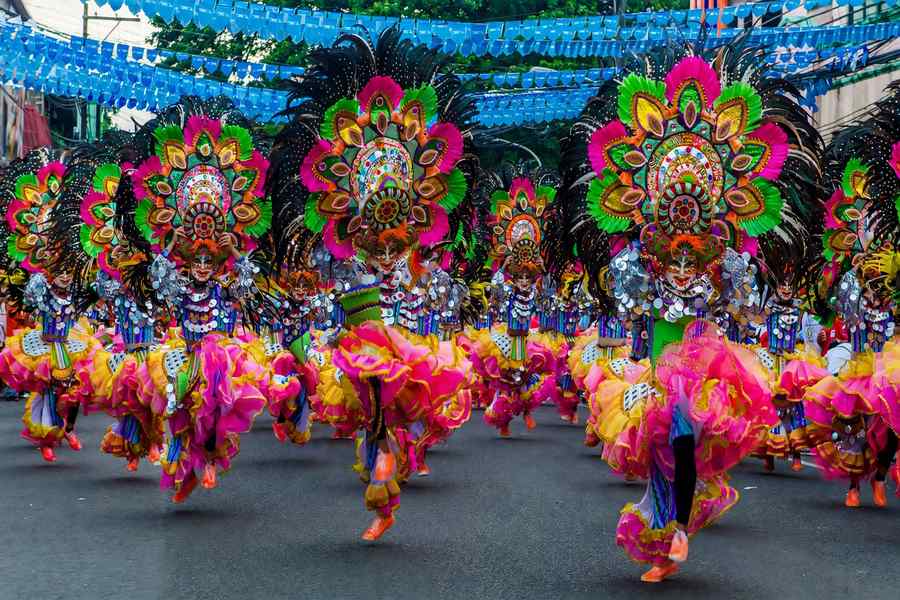
Why Bacolod Smiles: How MassKara Began
MassKara was born in a hard year. In 1980 Negros was reeling from a collapse in sugar prices, and on 22 April the inter-island ship MV Don Juan sank in the Tablas Strait after a collision with a tanker, with many Negrenses among the dead and missing. The city government under Mayor Jose "Digoy" Montalvo asked artists, civic groups and businesses to stage a festival that would lift people's spirits.
The name, coined by the artist Ely Santiago, joins "mass", for a crowd of people, with the Spanish "cara", for face, giving "a multitude of faces". It also plays on "maskara", the Filipino word for mask. The first festival was held during the city's Charter Day celebrations on 19 October 1980, which is why MassKara still peaks in the third week of October. Its smiling masks became the emblem of Bacolod's nickname, the City of Smiles.
The Final Weekend, Day by Day
Friday, 16 October: Electric MassKara. The night parade moves to Upper East this year. Dancers wear neon and LED costumes, and seven barangays are taking part: Barangays 12, 14, 17, 19 and 21, Villamonte and Tangub.
Saturday, 17 October: schools compete. Seven schools compete in the street dance and arena competitions. Street dancing runs along Araneta Street, and the arena performances are staged between the bridgeways of SM City Bacolod in the reclamation area.
Sunday, 18 October: the barangays' turn. Eight barangays compete in the main street dance and arena events: Barangays 6, 10 and 13, Alangilan, Bata, Mandalagan, Handumanan and Taculing. The winners are awarded at the Bacolod Public Plaza.
Sunday, 25 October: closing. The formal closing and awarding ceremonies follow a week after the main festival ends.
Exact start times are posted on the festival's and the city government's official pages in the days before each event, so check them the night before.
More Than the Parades
The street dance is the headline, but MassKara fills the whole month with smaller events. This year's line-up includes the MassKareppin and MasskaRap Battle, a Choreographers Showdown, PetsKara for costumed pets, a drum and lyre corps competition, SingKara, Super KidsKara and the Hataw Sayaw sa Plaza dance sessions.
Concerts and food stalls are spread across the Bacolod City Government Center, the Public Plaza, SM City Bacolod, Ayala Malls Capitol Central and the Megaworld area. The Lacson Strip is a traditional gathering spot during the festival, and it is closed to traffic from mid-afternoon on each night of the final weekend.
Road Closures to Plan Around
Bacolod's traffic office has closed several roads for the festival. The ones that matter most this weekend are:
Daily until 18 October, 3 pm to 5 am: sections of Rizal, San Juan, Gonzaga and Gatuslao streets around the Public Plaza
16 to 18 October, 2 pm to 5 am: the Lacson Strip, from Chowking at B.S. Aquino Drive to SSS-Cottage Road
16 October, 4 pm to 9 pm: Circumferential Road, from Burgos Avenue to St. Francis Street
17 and 18 October, 10 am to 9 pm: Hernaez Street near Jollibee toward Araneta, plus Gonzaga, Gatuslao, Rizal, Palanca Road and the SM City Bacolod area
Leave earlier than usual, use alternate routes and follow traffic enforcers. Walking is often quicker than driving near the venues, so wear comfortable shoes.
Tips for Watching the Street Dance
Pick one spot along Araneta Street and arrive early, since the best views fill up long before the dancers do. Bring water, a hat and a small towel, and keep your phone and wallet in a front pocket or a zipped bag. The arena performances are the place to see full routines from start to finish, while the street dance is better for close-up photos of the costumes and masks.
If you have been to a big Visayan festival before, much of the same planning applies. Our Sinulog first-timers guide covers crowd tactics that work just as well in Bacolod.
Getting to Bacolod
Bacolod is served by the Bacolod–Silay Airport, with flights from Cebu and Manila. From Dumaguete, Ceres buses run across Negros to Bacolod. Rooms are in high demand for the final weekend, so if you are travelling at short notice, look at places a little outside the city centre and plan to ride in.
If you are staying on Negros after the festival, the south of the island has quieter beaches; our guide to the white sand beach of Sipalay is a good place to start. Over on the eastern side of the island, Dumaguete holds its own big festival, and our Buglasan Festival 2026 guide covers that one.
Catch It Before the Masks Come Off
With Electric MassKara on Friday, the schools on Saturday and the barangays on Sunday, this is the weekend to see Bacolod at its brightest. Check the official schedule each day, plan around the road closures, and give yourself time to watch at least one full arena routine.