Panagbenga is a Kankanaey word for the season of blooming, the stretch of the year when the Cordillera hills come alive with flowers. Baguio borrowed it for its February flower festival, which started in 1996 as a plain-named Baguio Flower Festival and became Panagbenga a year later. Behind the floats and the dancing is a story about a mountain city rebuilding itself after a disaster, a lawyer with an idea borrowed from Oregon, and a high school student who drew the logo still used today.
Knowing that story changes how the festival looks from the sidewalk. The sunflowers on the banners, the steps the dancers repeat, even the choice of February all have reasons, and most visitors never hear them.
What the Word Panagbenga Means
Kankanaey is one of the main languages of Benguet and Mountain Province, spoken in the uplands around Baguio. Panagbenga translates loosely as "a time for blossoming" or "season of flowering". It names a season, not a single event, which suits a festival that runs for most of a month rather than one weekend.
The name came from Ike Picpican, a Baguio archivist and museum curator, after the first edition had already run under its English title. Choosing a local word over a catchy English one was a deliberate signal: the festival was meant to belong to the Cordillera, not just to the tourists it hoped to attract.
A Festival Born After the 1990 Earthquake
On 16 July 1990, a magnitude 7.8 earthquake struck northern Luzon. Baguio took some of the worst damage: hotels and buildings collapsed, roads up the mountain were cut, and the city's tourism trade, its main source of income, stalled for years. Rebuilding the buildings was one job. Giving people a reason to come back was another.
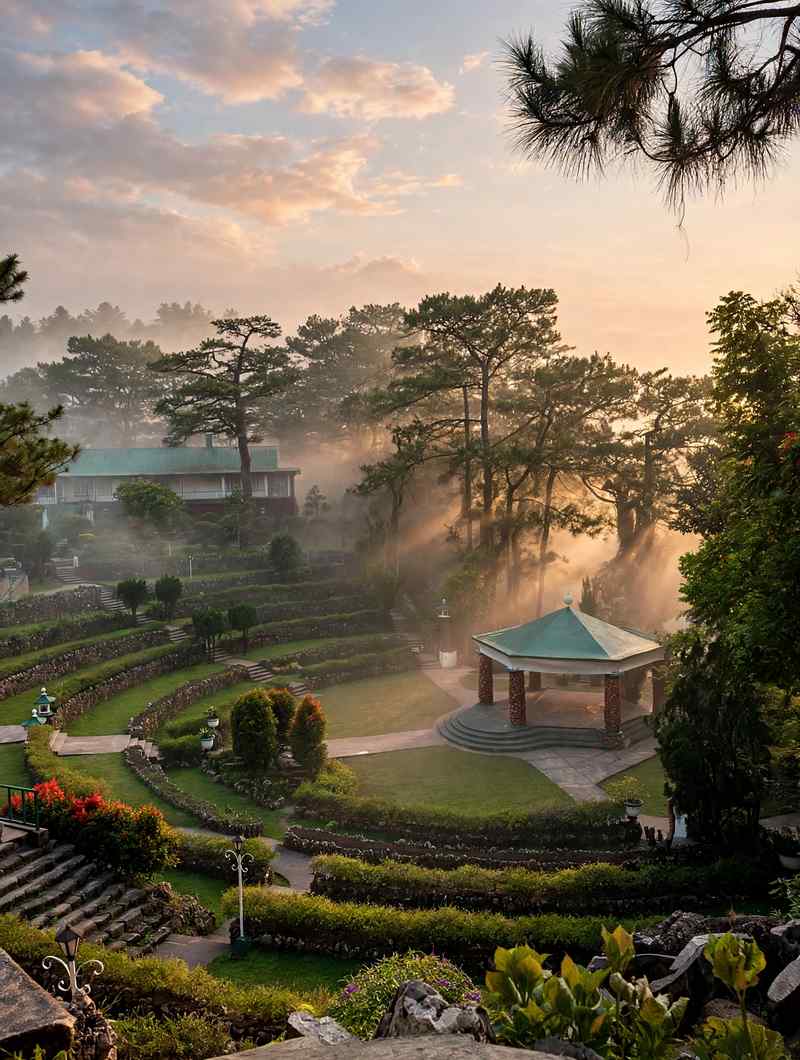
That second job is where the festival comes in. By the mid-1990s, Camp John Hay, the former American rest and recreation base, had been turned over to the Philippine government and placed under the John Hay Poro Point Development Corporation. Its managing director for Camp John Hay, lawyer Damaso "Damy" Bangaoet Jr., proposed a flower festival to the corporation's board in 1995. He had Portland's Rose Festival in mind as a model: a city known for one flower, celebrating it with parades every year.
The board approved, and the first festival opened in February 1996. Baguio now calls Bangaoet the father of Panagbenga. He died in 2014, and in February 2023 a bust of him was unveiled at Panagbenga Park on Upper Session Road, a short walk from where the parades pass.
Why February?
The timing was a business decision as much as a seasonal one. Baguio already filled up at Christmas, during Holy Week and through the summer months, when lowlanders head uphill to escape the heat. February sat in a quiet gap between those peaks. A month-long festival there spread visitors across the year instead of piling them onto the same few weeks.
It also happens to be a good month for flowers. The cool, dry weeks after the rainy season are when gardens and the flower farms of nearby La Trinidad are at their best, so the season the festival is named after and the one on the calendar line up.
The Sunflower Logo and a Student's Design
The festival's logo came out of an art contest held at Camp John Hay. The winning entry, a spray of the wild sunflowers that grow across the Cordillera, was drawn by Trisha Tabangin, then a student at Baguio City National High School. National Artist BenCab, who lives and works in the Baguio area, led the judging panel.
Those sunflowers, along with the everlasting flower, are Baguio's official flowers. You will see them on banners, souvenir shirts and floats, often without any explanation of where they came from. When the roadside sunflowers bloom on the drive up Kennon or Marcos Highway, that is the same plant on the festival emblem.
The Dance Behind the Street Parade
The grand street dance looks like a flower parade with a beat, but its roots are older. The costumes and movements draw on the bendian, an Ibaloi dance of celebration. Traditionally it marked victories and major community feasts, performed in a large circle with men and women moving in rhythm to gongs.
In the parade, male dancers often wear the bahag, the woven loincloth of the Cordillera, while female dancers wear costumes covered in flowers. Contingents come from Baguio schools and from towns across the region and beyond. When a group slows down to form a circle in front of the judges, that pattern echoes the original dance.
If the Cordillera cultures behind these dances interest you, the region has much more to see. Our guide to visiting Sagada's caves and hanging coffins respectfully covers another side of upland tradition, and the same respect applies in Baguio: ask before photographing performers up close, and never treat ceremonial dress as a costume to borrow.
The Years Without Parades
Panagbenga has run every year since 1996 with one long break. The 2020 and 2021 editions were cancelled because of COVID-19. It came back in March 2022 in a smaller form, paid for largely by private donors because public funds had gone to pandemic relief. The full programme, street dance and float parade included, returned in 2023.
The recovery since then has been quick. The 2024 float parade had 34 flower floats, a record for the festival, and the 2026 edition was billed as the 30th, under the theme "Blooming Without End". For a festival created to pull Baguio out of one crisis, getting through a second one has become part of its story.
Who Runs It Today
The John Hay Poro Point Development Corporation set up the Baguio Flower Festival Foundation to organise the event and keep it going year after year. The foundation still runs Panagbenga, working with the city government. The name Panagbenga is also a registered trademark, which is why businesses need the foundation's permission to use it on products.
That structure explains a few things visitors notice, like the sponsor names on floats and the official merchandise stalls. Corporate sponsors help pay for floats that can be expensive to build, and the prize money for top floats has grown to match.
Seeing the History for Yourself
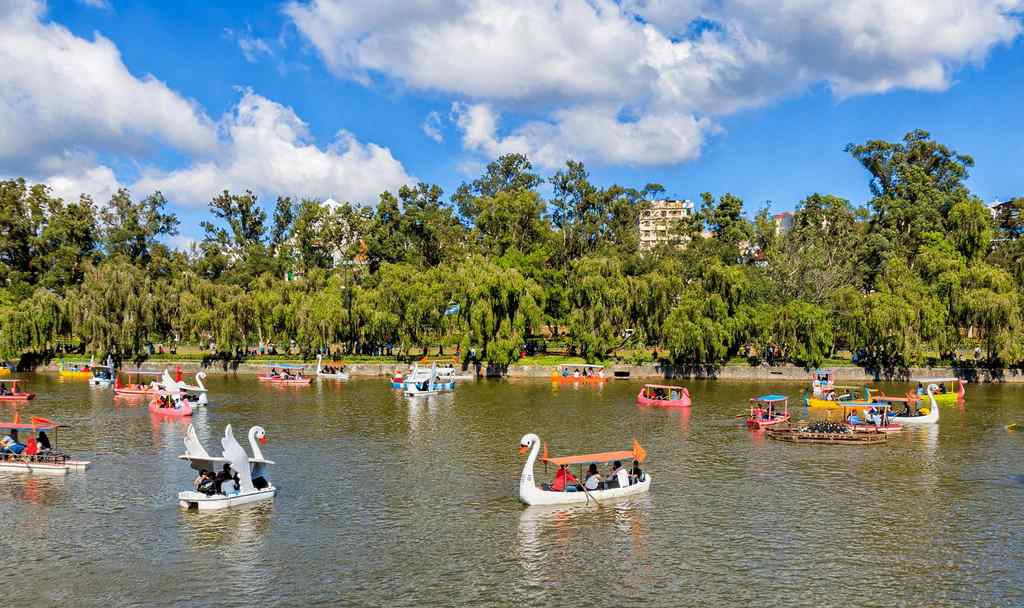
A few places in Baguio let you connect the festival to its story. Panagbenga Park on Upper Session Road, with the Bangaoet bust, is a fitting first stop. Camp John Hay, where the idea started, is a short taxi ride away. Burnham Park, the lake park named after the American planner Daniel Burnham who laid out the city in the early 1900s, sits at the foot of Session Road and is a good place to rest between events. Our five-day Baguio itinerary includes the park and other stops that are easy to fit around festival days.
For dates, parade viewing tips, hotels and costs, see our Panagbenga Festival planning guide. Schedules are usually announced in January by the festival foundation and the city, so check those before booking.
When the floats roll down Session Road, it helps to remember what they started as: a city still clearing rubble from an earthquake, deciding that the best way back was to celebrate the thing it grew best.
Comments
No comments yet. Been here recently? Share a tip or ask a question.
Leave a Reply