A country of more than 7,000 islands runs on boats. Planes are faster, but a ferry can carry your motorcycle, your balikbayan box and your whole family for less, and on many short hops it beats the airport by hours once you count check-in and transfers. The catch is that the network looks messy from the outside: dozens of ports, several big operators and a few smaller ones, and schedules that shift with the weather.
This guide sorts it out by route. You will see which company serves which crossing, roughly how long each one takes, how to book without queuing at the port, and the small things that trip up first-timers, like picking the wrong pier in Cebu City.
The short version: 2GO Travel handles the long overnight runs out of Manila and Batangas, OceanJet and SuperCat dominate the fast craft lanes in Central Visayas, and FastCat and Montenegro Lines carry most of the cars, trucks and motorcycles on the shorter RoRo crossings. Book online for anything long, anything with a vehicle, and anything on a holiday weekend.
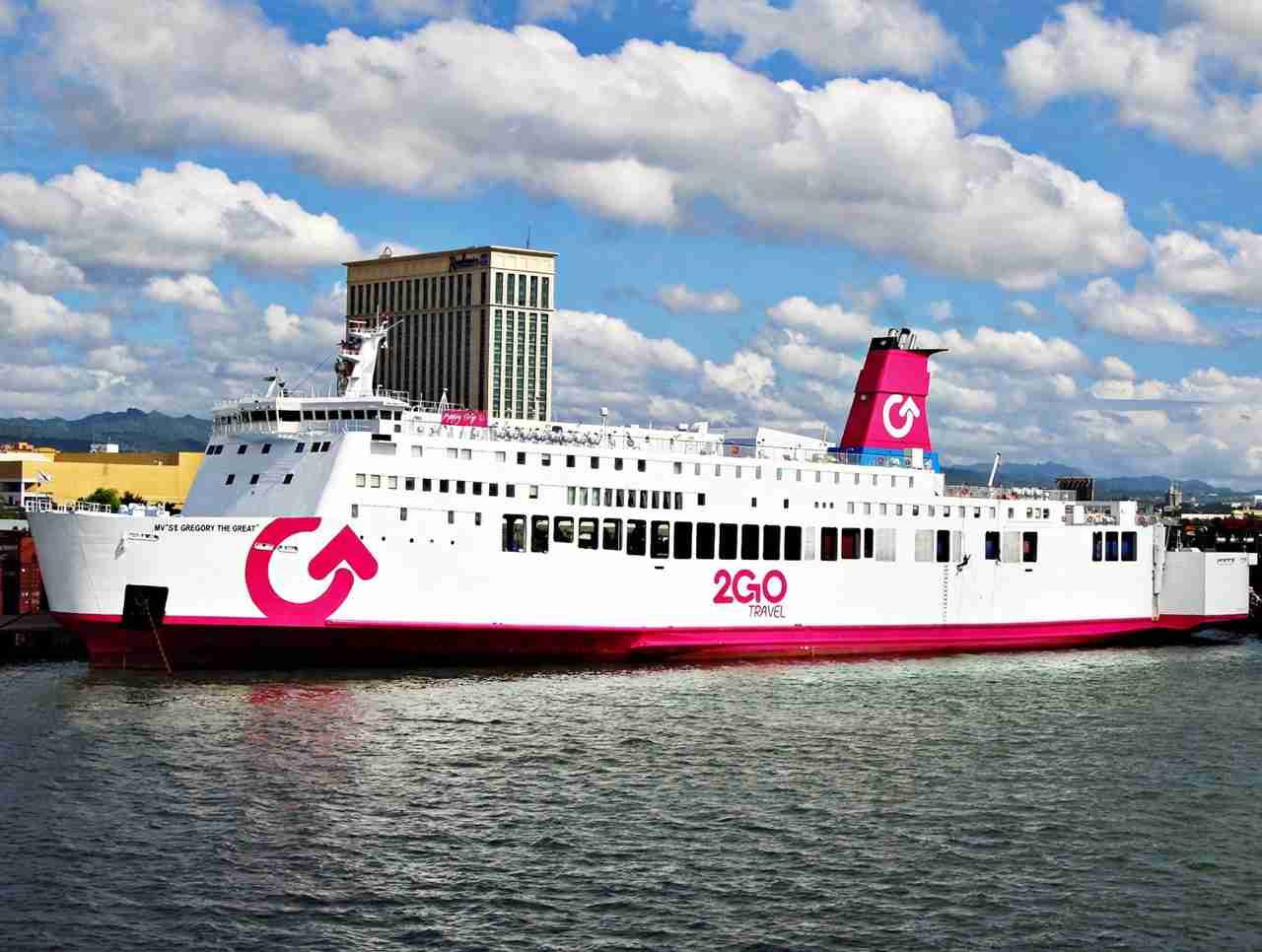
Who runs what: the four operators to know
2GO Travel for the long hauls
2GO is the name behind the big white-and-magenta ships that sail overnight between Luzon, the Visayas and Mindanao. Its Manila base is Pier 4 at North Harbor, and it also sails out of Batangas. Manila to Cebu is the best-known run and takes roughly a day at sea, anywhere from about 22 to 27 hours depending on the ship and the conditions, with a few sailings a week rather than daily. From Manila the network also reaches Bacolod, Iloilo, Cagayan de Oro, Nasipit for Butuan, and Zamboanga.
Cabins range from open-bay economy bunks up to private staterooms and suites, and that choice decides how the trip feels. A bunk among a hundred others is cheap and fine for a confident sleeper. A stateroom costs more but buys a door, a quieter night and a better shot at a shower without a line. Many fares bundle meals and a checked bag, so read what your class includes before you pack snacks for 24 hours.
OceanJet and SuperCat for fast craft
On the Cebu–Bohol crossing, OceanJet runs the most departures, with boats leaving Pier 1 in Cebu City for Tagbilaran from early morning until late afternoon. The trip takes around two hours. SuperCat uses the same pier and route. OceanJet also links Cebu with Ormoc in Leyte and the Camotes Islands, connects Tagbilaran with Siquijor, and covers Iloilo–Bacolod across the Guimaras Strait.
Fast craft seating is usually split into an open-air or tourist section and an air-conditioned business class with assigned seats. On a sunny weekday the cheaper deck is pleasant. In rain or rough water, the enclosed cabin is worth the extra pesos.
FastCat for drive-on RoRo
FastCat, run by Archipelago Philippine Ferries, specialises in roll-on/roll-off catamarans that take both passengers and vehicles. Its routes stitch together crossings that road-trippers use most: Batangas–Calapan for Mindoro, Bulalacao–Caticlan toward Boracay, Bacolod–Iloilo, Matnog–San Isidro between Sorsogon and Samar, Liloan–Lipata between Leyte and Surigao, and Cebu–Tubigon into northern Bohol. Check the current FastCat route map before planning a Negros, Cebu or Mindanao link, since these lanes get added and dropped.
Montenegro Lines for Batangas and Mindoro
Montenegro Shipping Lines owns the busiest corner of the map, the Batangas–Calapan run, where departures are close to hourly and the crossing takes about two to three and a half hours depending on the boat. It also sails to Puerto Galera, Abra de Ilog in Occidental Mindoro and Odiongan in Romblon, and has online booking for those four Batangas routes.
The routes most travellers actually use
Manila to the Visayas and Mindanao
For a sea trip south out of Manila, 2GO is the default. The Manila–Cebu ship suits people moving house, riders bringing a motorcycle, or anyone with more luggage than an airline will allow at a sane price. If time matters more than baggage, compare it with a promo fare before you commit, because a one-hour flight often costs about the same.
Cebu and Bohol: Tagbilaran or Tubigon
Two crossings, two purposes. Pier 1 to Tagbilaran by fast craft is the quick choice for Panglao, the Loboc River and the Chocolate Hills. Pier 3 to Tubigon on the slower RoRo boats lands you in northern Bohol, closer to towns like Calape and Inabanga, and is the one to take if you are driving. For a loop through the island, arrive in one port and leave by the other.
Batangas to Mindoro
Batangas Port is the gateway to Mindoro. If your goal is the beaches of Puerto Galera's coves and dive sites, book a boat that docks in Puerto Galera itself (Balatero Pier is the main one) rather than Calapan, which leaves you with a long road transfer at the other end. Calapan makes more sense for a road trip down Oriental Mindoro.
Southern links worth knowing
Iloilo–Bacolod is short, around an hour or two, and has several competing operators, so missing one boat rarely ruins a day. Toledo on Cebu's west coast to San Carlos in Negros Occidental takes about two to three hours and saves anyone coming up from Moalboal or Barili a crawl through Cebu City traffic. Dumaguete to Dapitan carries passengers and vehicles across to the Zamboanga peninsula in about four to five hours, handy if the Rizal Shrine in Dapitan is on your list. RoRo loading starts early, so be at the port well before the posted time.
How to book without the queue
Online, direct from the operator
Booking online is the single biggest stress-saver, especially in December, Holy Week and long weekends when terminal lines snake out the door.
- 2GO Travel: travel.2go.com.ph, or the hotline (02) 8528-7000. Pay by card, e-wallet or over the counter, and the e-ticket arrives by email.
- OceanJet: oceanjet.net, plus resellers such as Klook and 12Go. Some vouchers still need exchanging for a boarding pass at the pier, so allow time for that.
- SuperCat: supercat.ph.
- FastCat: fastcat.com.ph. Reserve vehicle slots well ahead of long weekends.
- Montenegro Lines: montenegrolines.com.ph for its four Batangas routes, or the counters at Batangas Port.
Aggregator sites help you compare departure times across companies in one search. Treat their schedules as a starting point and confirm the sailing on the operator's own page before you build a day around it.
Walk-in tickets
Every terminal has ticket windows with posted fares. On weekdays, walking up for Cebu–Bohol or Batangas–Calapan usually works. Doing the same for a Manila ship, a car, or any holiday weekend is a gamble that can cost you a night in a port-side hotel.
Before you board
Carry a valid government ID and your booking reference, and keep both handy for coast guard and security checks. Expect to pay a terminal fee at the port on top of the fare, so keep some cash. Arrive about an hour ahead for fast craft and two to three hours ahead if you are driving onto a RoRo. Vehicle owners need the OR/CR and a driver's licence, and should fill the tank before reaching the port.
Know your pier. In Cebu City, Pier 1 is for fast craft to Bohol, Pier 3 handles RoRo boats including the Tubigon run, and the big long-haul ships use the northern piers. In Manila, 2GO sails from Pier 4 at North Harbor. Ask a taxi driver for "the port" and you may end up at the wrong gate.
Watch the weather. Trips get cancelled when the coast guard suspends sailings during storms and strong monsoon winds. When that happens, check the operator's official page or call its hotline rather than trusting a reposted screenshot. Short island runs fill up on weekends too; the Dumaguete to Siquijor crossing guide shows how that plays out, with Friday boats often the first to sell out.
Picking the right boat for your trip
Match the vessel to the job. For a big move or a vehicle, take a RoRo or a 2GO ship. For a quick island hop with a backpack, take fast craft. For a long trip where time beats money, fly one leg and sail the short ones. Mixing the two often gives the best of both: fewer airport days, lower fares, and a few hours on deck watching the islands go by.
Comments
No comments yet. Been here recently? Share a tip or ask a question.
Leave a Reply