


Quezon looks manageable on a map until you try to drive it. The province runs a long way down southern Luzon, with one coast on Lamon Bay, another on Tayabas Bay, and coconut farms, forested slopes and old towns in between. Plan a trip that tries to cover all of it and you will spend most of the weekend in a van.
The better approach is to pick one part of Quezon and do it properly. The islands get most of the attention: Cagbalete, Jomalig, Borawan and Dampalitan. Inland there are the heritage towns of Lucban and Tayabas, the slopes of Mount Banahaw and a waterfall on Alabat Island. And all over the province there is food worth the trip on its own: Lucban longganisa, pancit habhab, hardinera and anything made from coconut.
This guide splits the province into areas you can actually visit in one go, explains what each island is like and how to reach it, and covers what to eat, when to go and how many days each kind of trip needs.
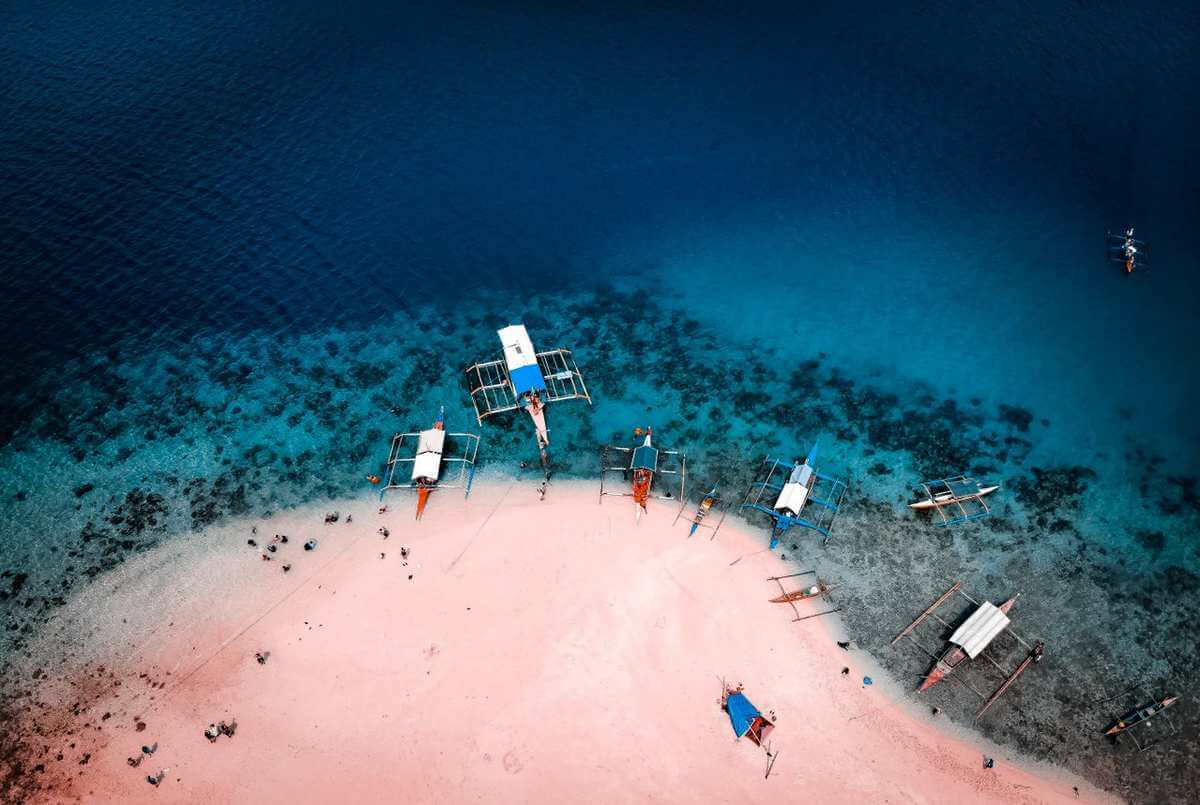
Think of Quezon in Clusters
Lucena City is the capital and the main transport hub, but the places visitors want sit in very different corners of the province. The ports are far apart, so it helps to plan around one cluster at a time.
Quezon by area
- Mauban: boats to Cagbalete Island
- Real: Ungos Port, for the crossing to Jomalig
- Padre Burgos: island hopping to Borawan and Dampalitan
- Lucban and Tayabas: heritage towns, food and the Mount Banahaw area
- Alabat: an island municipality with Tumiis Falls
- General Nakar and the east coast: remote coast and nature
The Islands
Cagbalete Island, Mauban
Cagbalete is about the tide. When the water pulls back, wide sand flats and shallow pools appear, and the shoreline looks completely different from the way it looked that morning. That is the island's main attraction, and the reason people camp there rather than just visiting for a day.
Boats leave from Mauban. Accommodation is spread along the coast, and different properties use different landing points, so confirm with your host where the boat will drop you. Check the tide table before you plan your photos or a long walk on the flats.
Jomalig Island
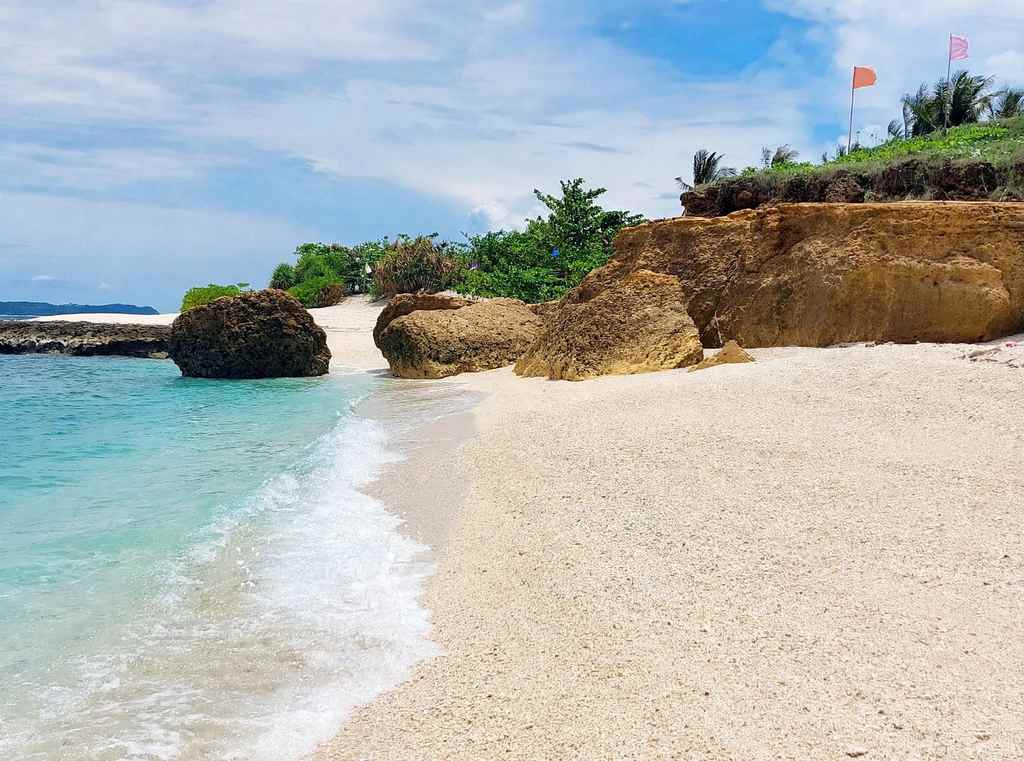
Jomalig is farther out, and it feels it. The sand has a golden colour, the water is clear and there are far fewer people than on the beaches closer to Manila. Salibungot Golden Sand, Lingayen Cove, Kanaway Beach, Turtle Rock and Manlanat Island are the names you will hear once you arrive.
Getting there is part of the trip. You travel to Ungos Port in Real and take a boat that can take several hours, depending on the weather and the sea. Rough water can delay the return boat, so do not book a tight connection home. Bring enough cash, water, sun protection and a dry bag.
Borawan and Dampalitan, Padre Burgos
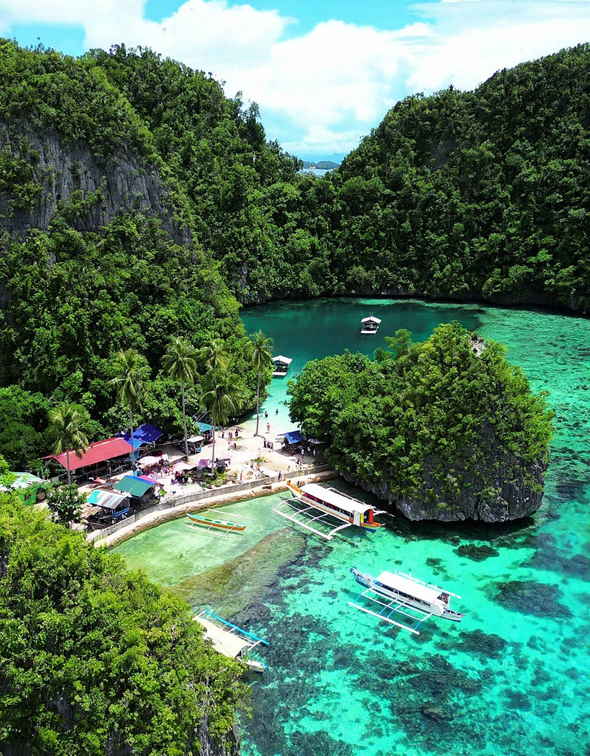
These two are usually visited together on a boat trip from Padre Burgos, and they make the easiest island trip in the province. Borawan has pale sand and limestone rock formations. Dampalitan is quieter and better suited to camping. Operators sometimes add other stops when the sea allows. Agree on the route, the total time and the fees before you leave the shore, including environmental fees and separate entrance charges.
Alabat Island and Tumiis Falls
Alabat rarely appears on a Luzon itinerary, which is part of its appeal. The pace is slow and the coast is quiet. Its best-known natural attraction is Tumiis Falls, a waterfall of around 50 metres that drops from the slopes of Mount Camagong. Plan the transport carefully: check the current boat to the island, the road conditions on Alabat, and whether you need a guide or a local ride to reach the falls.
Inland Quezon
Lucban and Tayabas
If you do not want to take a boat, these two towns make a good weekend. Lucban is known for the Pahiyas Festival, its food and the Kamay ni Hesus religious complex on the edge of town. Tayabas is slower, with historic churches, old stone bridges and the Minor Basilica of St. Michael the Archangel, which repays an unhurried walk.
Mount Banahaw
Banahaw is a dormant volcano and a sacred mountain for many communities living around it. Its forests and foothills draw hikers, pilgrims and anyone who wants cooler air. Access changes, though. Trails and protected areas can close for conservation, safety or religious reasons, and an old hiking post is not proof that a route is open. Check with the local government and the environmental authorities before you plan a climb.
Villa Escudero, Tiaong
Villa Escudero sits on the way into the province from Metro Manila. It is known for plantation scenery, cultural shows and lunch served beside a waterfall, with the water flowing around your feet. Give it at least half a day, and check the resort's current day-tour packages and opening days before you go.
Waterfalls: A Word of Caution
Quezon's waterfalls are spread across different towns, so do not try to fit several into one day. Tumiis on Alabat is the biggest name, and there are smaller falls and rivers around the Banahaw foothills where local guides may be required. Wear shoes with grip, keep off wet rocks and stay out of the water during or just after heavy rain. Mountain streams rise faster than you expect.
What to Eat
Getting There and Around
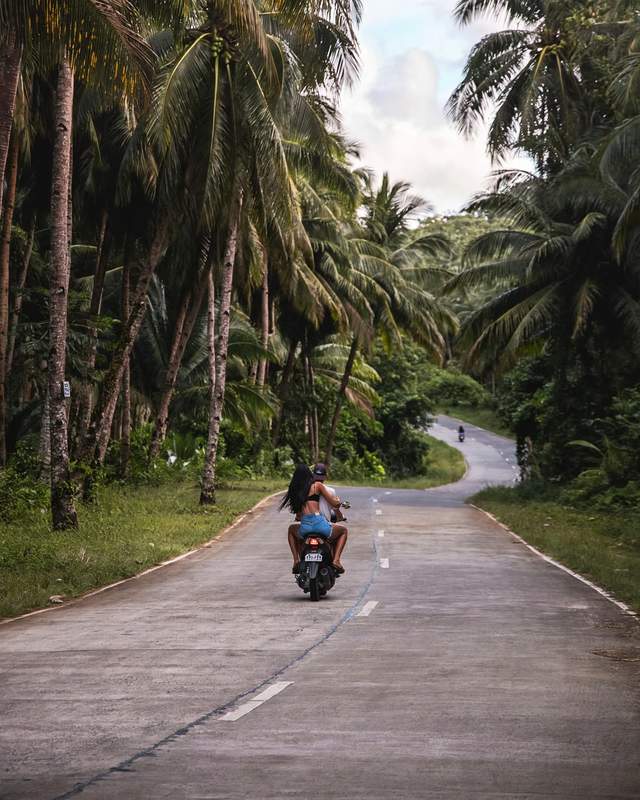
Buses from Metro Manila run to Lucena and other Quezon towns, with routes and terminals that depend on the operator. Driving is easier for the inland towns, usually via the South Luzon Expressway, but add extra time for the east coast and the remote ports. If you are taking a bus to catch a boat, check the last boat of the day first. Arriving at the port at sunset is a common way to lose a day.
Cagbalete
Mauban, then boat
Confirm the landing point for your accommodation and plan the crossing around the tide.
Jomalig
Ungos Port, Real
A crossing of several hours that depends on the sea. Keep a spare day.
Borawan and Dampalitan
Padre Burgos
Hire a local island-hopping boat and agree on the route and fees first.
Alabat
Mainland port
Confirm the current boat service before you set off.
Boat times, fares and passenger limits change with the tide, the weather and local arrangements. Your accommodation or the municipal tourism office will know the current situation.
How Many Days You Need
- Two daysLucban and Tayabas
Day one for Lucban's food and Kamay ni Hesus, day two for the Tayabas basilica and old bridges.
- Three daysPadre Burgos islands
Arrive and book the boat, spend a full day on Borawan and Dampalitan, then have an easy morning before heading home.
- Four or moreCagbalete or Jomalig
Enough time to make the journey worth it, plus a buffer in case the boat back is delayed.
When to Go
November to May is usually the better season for the islands, with calmer seas and drier days, although you should still check the forecast close to departure. The rainy months make the hills greener and the waterfalls fuller, but they also bring rough water, cancelled boats, slippery trails and the risk of typhoons. Keep your plans flexible.
May is Lucban's busiest month. The Pahiyas Festival is traditionally held on May 15 in honour of San Isidro Labrador, and houses are decorated with colourful kiping and produce. Rooms and transport book out early, the roads close and the town fills with people on foot.
Practical Tips
Before you go
- One island area per tripThe ports are hours apart, and Quezon is bigger than it looks.
- Bring cashBoats, fees, food stalls and small inns rarely take cards.
- Confirm the boat backSort out the return crossing before you check in.
- Pack for the boatA dry bag, power bank, sunblock and a refillable water bottle.
- Respect sacred sitesFollow guides and posted rules on Banahaw and in protected areas.
- Check sea advisoriesLook at the weather every morning before leaving the mainland.
If you are building a longer Luzon trip around the beaches, our best beaches in the Philippines by region guide can help you compare Quezon with other coastlines. Divers heading south afterwards can continue to Anilao in Batangas.
Frequently Asked Questions
Which Quezon island is best?
It depends on what you want. Cagbalete has the tidal sand flats, Jomalig has golden sand and a remote feel, and Borawan and Dampalitan are the easiest island-hopping trip, leaving from Padre Burgos.
How do I get to Jomalig?
Travel to Ungos Port in Real, Quezon, then take the boat to the island. The crossing takes several hours and depends on the sea.
Is Cagbalete good for a weekend?
Yes, as long as you plan around the boat schedule from Mauban and the tides.
What food is Quezon known for?
Lucban longganisa, pancit habhab, hardinera, budin and coconut products.
When is the Pahiyas Festival?
It is traditionally held in Lucban every May 15. Check local announcements for the year's programme and any road closures.
Photo credit: Pexels.

Comments
No comments yet. Been here recently? Share a tip or ask a question.
Leave a Reply