If you want cold air and only have a weekend, pick Baguio. If you want cooler air and only have a Saturday, pick Tagaytay. That is the honest one-line answer, and most of what follows explains why the extra hours on the road to Baguio are worth it for some trips and a waste for others.
The difference starts with height. Tagaytay sits on a ridge roughly 600 to 700 meters above sea level. Baguio is around 1,500 meters up. Air cools as you climb, so the two places feel nothing alike once the amihan, the northeast monsoon, starts blowing in from about November. In Tagaytay that means a breezy, sweater-optional afternoon and a cool evening. In Baguio it means dawn readings that can drop to between 9 and 12 degrees Celsius in January, the kind of cold where you sleep in socks.
So before comparing food, prices or views, decide what you are actually after: a break from Manila heat, or real cold you can see on your breath.
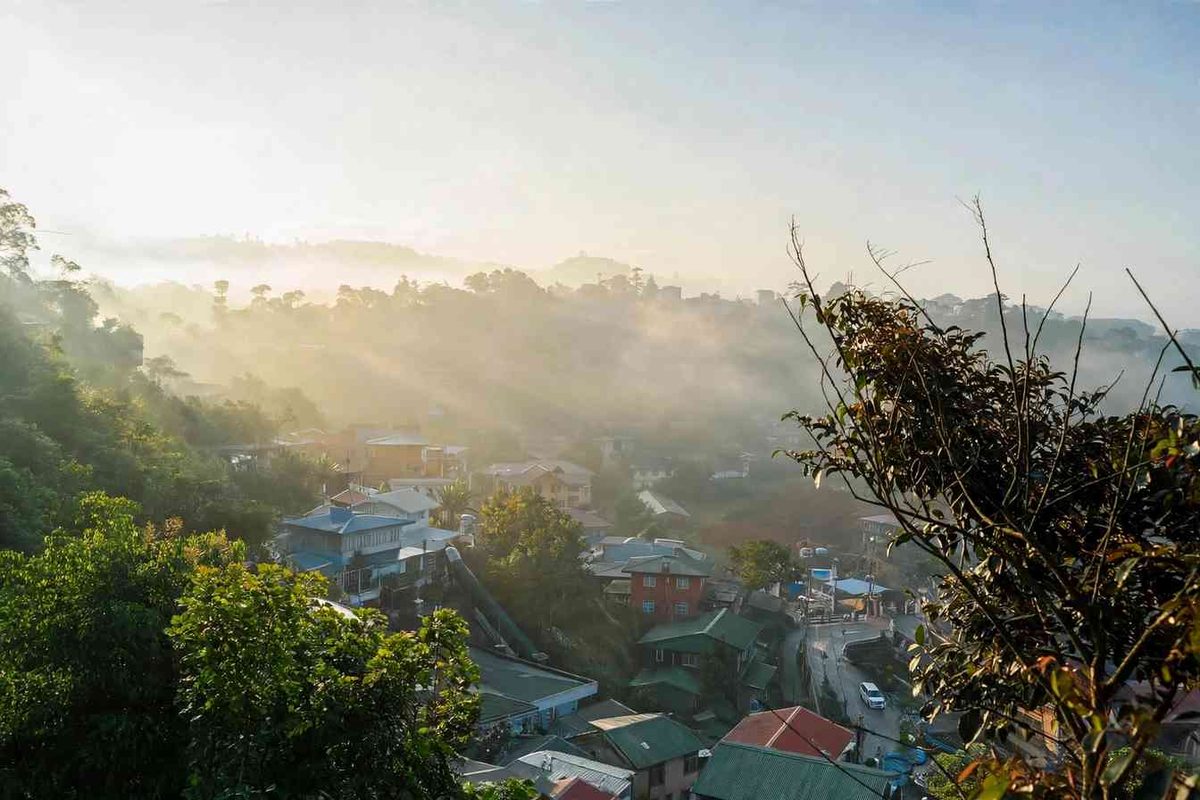
Tagaytay vs Baguio at a glance
Getting there from Metro Manila: Tagaytay is about 55 to 65 kilometers south, usually 1.5 to 2 hours by bus on a clear road. Baguio is a four to six hour bus ride north.
Bus fare one way: roughly PHP 100 to 180 for an aircon bus to Tagaytay, against about PHP 650 for a regular seat to Baguio and close to PHP 1,000 for a 2x1 premium coach.
How cold: Tagaytay is mild and windy, rarely what anyone would call cold. Baguio in January brings the sharpest cold of any major city in the country.
Best for: Tagaytay suits a lunch trip, a family outing or one quiet night. Baguio suits two or three nights with walking, markets and a proper change of scenery.
When Tagaytay is the smarter pick
Time is the big one. You can leave Manila after breakfast, have bulalo on the ridge by noon and still be home for dinner. A Baguio trip that short makes no sense, because you would spend more hours on the bus than in the city.
Tagaytay also wins on cost for small groups. Two bus fares to Tagaytay cost less than a single one-way seat to Baguio, and you do not need a room at all if you go home the same day. For families with young kids who struggle with long rides, the shorter trip is a relief.
Then there is the view. Tagaytay's whole appeal is looking down on Taal Lake and the small volcanic island in the middle of it, and nothing in Baguio compares. On a clear morning before the clouds roll in, the ridge cafés and parks along the main road give you that picture without any hiking.

One thing to know before you go: Taal has been restless. A minor steam-driven eruption was recorded on 20 October 2026, after two smaller ones two days earlier, and the volcano is at Alert Level 1. Volcano Island is a permanent danger zone, and PHIVOLCS advises against boating on the lake. The ridge view is unaffected, but plans built around a boat ride should wait. Check the latest PHIVOLCS bulletin on the morning you travel, and read our Tagaytay and Taal day trip guide for viewpoints, costs and bus stops.
When Baguio is worth the long ride
If cold is the point, Tagaytay will disappoint you. Its cool spell is pleasant rather than sharp, and on a sunny afternoon in a car park it can feel close to lowland weather. Baguio feels different from the moment you step off the bus: pine trees, foggy mornings, and nights that call for a jacket from about December to February.
Baguio also gives you more to do once you are there. The city is compact enough to walk, with parks, a night market on Harrison Road, cafés and a food scene that rewards a second or third day. Tagaytay, by contrast, is mostly a long ridge road of restaurants, viewpoints and resorts, and you will want a car or a lot of short jeepney and tricycle hops to get around.
The long trip is the price. Four to six hours each way means Baguio really needs two nights, so add accommodation and meals to the bus fare. If you are planning the ride, our guide to bus routes, fares and terminals to Baguio covers Victory Liner, Genesis and Solid North, plus which terminals to use.
Crowds and traffic in the cool season
Neither place is quiet on a long weekend, but the problems look different.
Tagaytay's crowd is mostly day-trippers from Metro Manila, so it peaks on Saturday and Sunday from late morning to late afternoon. The ridge road backs up near the popular restaurants and viewpoints, and parking gets tight. Arrive by around 8 in the morning, or go on a weekday, and the town is far easier.
Baguio's crowd stays overnight, so the pressure shows up in room prices and city traffic. December is one of its busiest stretches, with Christmas events, the lantern parade and holiday traffic on the roads up. January is colder and calmer once the New Year rush ends. February brings flowers and the Panagbenga festival crowds back. Our guide to the coldest months in Baguio breaks down what each of those months feels like.
What a cool-weather weekend costs
These are rough planning figures for one person, before accommodation, and they move with fuel prices and the season.
Tagaytay day trip: PHP 200 to 360 in round-trip bus fares, PHP 60 to 100 for local jeepneys, a small park entrance fee, and PHP 300 to 600 for a drink and a light meal on the ridge. A shared bulalo pot brings food costs down for groups.
Baguio weekend: about PHP 1,300 to 2,000 in round-trip bus fares, plus two nights of lodging, meals and taxis. Book the room early for December and February weekends, since that is when rates climb and cheaper places fill first.
If you are driving instead, Tagaytay costs a few hundred pesos in tolls each way. The Baguio drive is much longer, with higher tolls and fuel to match, and the mountain stretch at the end is slow when the city is full.
A simple way to decide
Ask yourself three questions. How many days do you have? If it is one, go to Tagaytay. Do you want to feel properly cold? Then Baguio, ideally in January. Is the trip mostly about one view and one good meal? Tagaytay again.
Some people end up doing both in the same season: a quick Tagaytay lunch run on an ordinary weekend in November, then a longer Baguio trip once the January cold sets in. They are different trips, and treating them that way is the easiest way to avoid a long drive that leaves you wanting more, or a short one that leaves you wishing you had stayed home.


Comments
No comments yet. Been here recently? Share a tip or ask a question.
Leave a Reply