The Biri Island rock formations are a string of huge, wave-cut rock masses on the northern shore of Biri, a small island town off the tip of Northern Samar. You reach them by boat from Lavezares Port, pay a ₱50 environmental fee in the town centre, and ride a habal-habal to the trailhead. The single most useful thing to know before you go: plan the day around low tide, because the pools and flat rock platforms you see in photos only open up when the water drops.
Biri faces the open Pacific where it meets the San Bernardino Strait, and there is little offshore reef to break the swell. Waves arrive with their full weight, which is why the rocks look the way they do: split into blocks, layered like a stack of old ledgers, and pitted with pools that fill and drain all day.
This guide covers the boat crossing, the fees and motorbike rates, how the main formations differ, and how to read the tide and the sea so the trip is worth the long journey north.
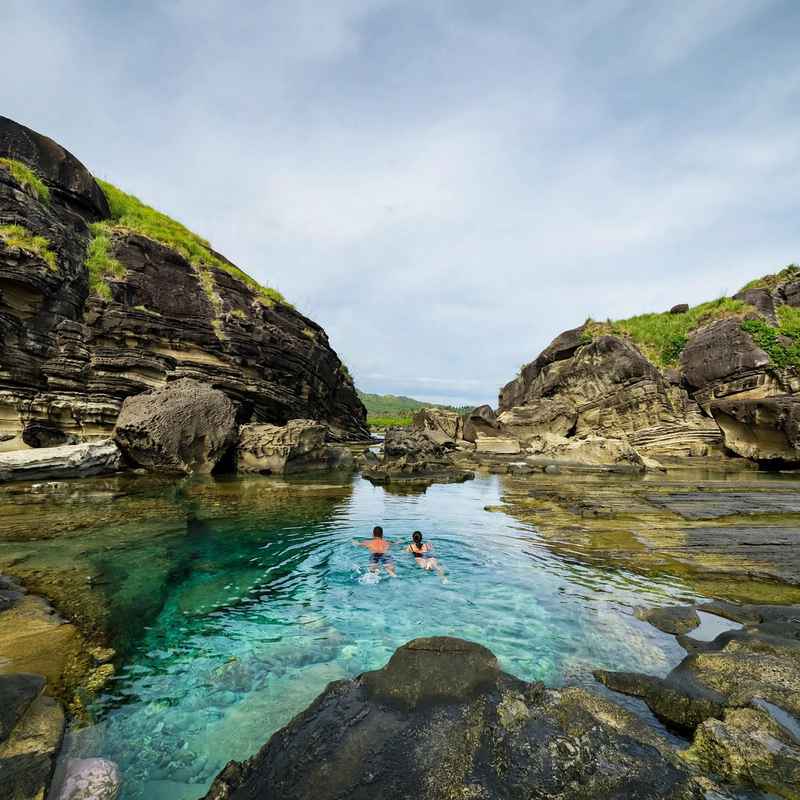
Seven named rocks, four that most people see
Biri has seven named formations. Most visitors walk to four of them in one loop, and the rest reward anyone who stays an extra day.
Magasang is the tall one in most photos, a jagged wall of thin layers with a deep pool on its seaward side where swells rush in and out. Magsapad stands right next to it, with a narrow channel of seawater between the two. At low tide you can cross that gap on slick rock and shallow water, which is the walk many people remember most.
Bel-at, a little to the north, is lower and wider. It has a broad shelf of flat rock dotted with tide pools and a ledge where the sea spills over the edge. When the swell is moderate it is the calmer stop of the group, and it is also the spot locals point to for sunrise. Caranas rounds out the usual four.
Puhunan, Pinanahawan and Macadlaw are the remaining three, scattered along the north and east coast. They see far fewer people and feel rougher underfoot. Ask your driver if they fit into your day, or save them for a second morning.
Getting to Biri: the long way round
Biri has no airport and no bridge to the Samar mainland, so every trip ends with a boat. The jump-off is Lavezares Port, in the town of Lavezares on the northern Samar coast.
By air: fly to Catarman, the provincial capital, and check current routes and schedules before you book. From the airport, a tricycle to the transport terminal costs around ₱100. Jeepneys and vans head west toward Lavezares and Allen for roughly ₱50 to ₱80, a ride of about an hour to an hour and a half. Tell the driver you are getting off at Lavezares Port, not Allen Port, or you may end up at the ferry terminal instead.
By land from Luzon: take a bus to Matnog in Sorsogon, then the RoRo to Allen, which runs about an hour and a half with passenger fares around ₱120. Lavezares is about 20 minutes from Allen by tricycle. Our guide to ferry routes and booking explains how these crossings usually work.
The boat: public pump boats from Lavezares charge around ₱50 to ₱60 per person, plus a terminal fee of about ₱20 to ₱25. The crossing takes 45 minutes to an hour. Boats leave once they fill up, usually at 15 to 20 passengers, so the first trips of the day have no fixed time. Renting a private boat costs roughly ₱750 to ₱1,500, which makes sense for a group or anyone short on time.
Aim for a morning crossing. The water between Lavezares and Biri faces the strait and tends to get choppier in the afternoon, especially during the amihan months.
What the day costs
Biri is cheap once you are there. The main costs, per person unless stated:
- Boat from Lavezares: about ₱50 to ₱60, plus a ₱20 to ₱25 terminal fee
- Tourism environmental fee: ₱50, valid for three days, paid at the Tourism Center in Poblacion
- Port to Poblacion by shared habal-habal: about ₱10
- Rock formations loop by habal-habal: around ₱195 per motorbike for up to three riders; a full day with waiting time runs about ₱500 to ₱700
- Homestay or lodge: roughly ₱500 to ₱1,200 a night, mostly fan rooms with shared bathrooms
The Tourism Center is where you register and get a short safety talk, and it is also the best place to settle the motorbike rate before you set off. Drivers double as guides. If you would rather have a separate accredited guide, ask the staff there. A small tip at the end of the day is appreciated.
Carry enough cash for the whole stay. There is no ATM on the island, and cards are rarely accepted by homestays, eateries or drivers.
Reading the tide and the swell
This is the part that decides whether Biri feels like the postcards or like a wall of white water. At high tide the lower platforms go under, the crossing between Magasang and Magsapad disappears, and footing on the rock gets risky. At low tide the shelves dry out, the pools settle, and the walk between the formations opens up.
Morning low tides are the sweet spot. The light is softer, the heat is easier, and the sea is often calmer than it will be by mid-afternoon. Look up the tide table for northern Samar before you travel, then ask your habal-habal driver to confirm on the day. Drivers know which pools are safe at which point of the tide, and going without one is the easiest way to arrive at the wrong hour.
Swimming in the pools is allowed only when the sea is calm. On big-swell days the guides keep people out of the water, and they are right to. Surges come in without warning, even when the ocean beyond looks settled.
Best months, and day trip or overnight
February to June is the most reliable stretch. These are the drier months in Northern Samar, the crossing is usually gentler, and low tides in the morning are easier to work with. July to October brings the habagat and heavier seas, and boat trips can be cancelled. Anyone prone to seasickness should avoid those months.
A day trip is possible if you sleep in Catarman or Allen and leave very early, but you will be racing the boat schedule and the tide at the same time. One night in Poblacion takes the pressure off. You can see the rocks at low and high water, catch sunrise at Bel-at, and cross back the next morning when the sea is usually calmer. Book rooms ahead for holiday weekends.
On the rocks: what to wear and bring
The habal-habal ride from Poblacion to the trailhead takes about 15 to 20 minutes. From there the route follows concrete paths and boardwalks, then crosses sections of bare rock and shallow seawater.
Footwear matters more than anything else in your bag. The rock is sharp and wet, so use aqua shoes or strapped sandals that will not slip off mid-step. Rubber flip-flops are a poor choice here.
There is almost no shade on the formations. Bring a hat, plenty of water and a dry bag for your phone. Put sunscreen on well before you reach the pools, and skip soap and lotion right before swimming so the water stays clear for everyone after you. The island-hopping packing and safety checklist covers the rest.
Leave the rocks as you found them. No carving names, no taking pieces home, no litter. The formations are protected, and the town depends on them staying intact.
Island life after the rocks
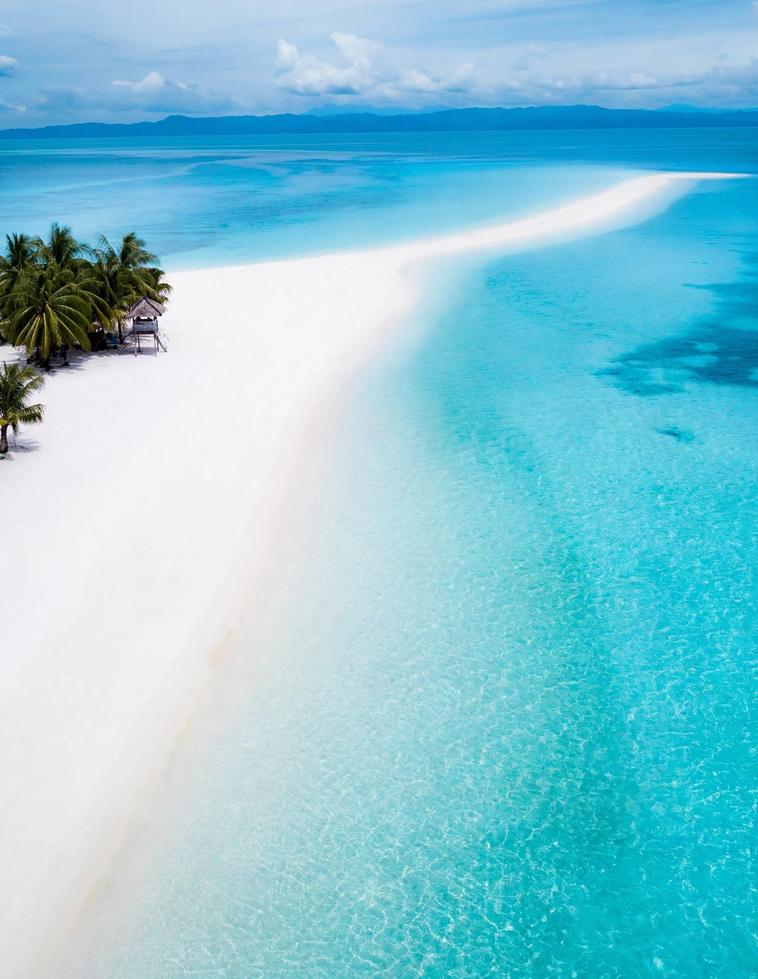
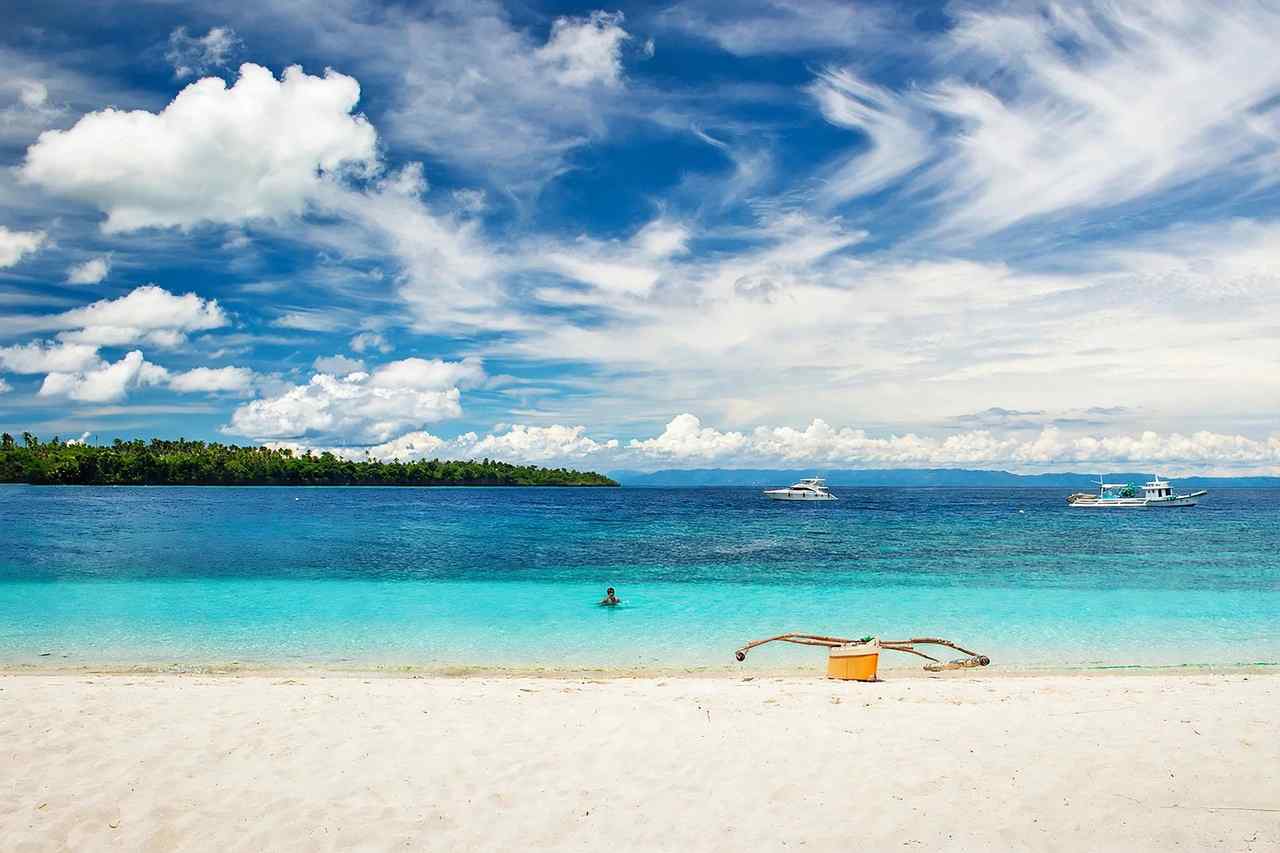
With extra time, the southern side of the island has white-sand stretches at San Pedro and San Antonio that work well for a lazy afternoon and sunset. The mangroves and small fishing villages give a slower picture of daily life on Biri.
Expect basic comforts. Mobile signal from Smart and Globe is patchy, so download offline maps before the crossing. Power cuts happen, and many lodgings run generators at night, so a charged power bank helps. Eateries in Poblacion cook simple Filipino meals and fresh seafood. If you have dietary needs, tell your homestay in advance so they can shop in Lavezares before you arrive.
Biri also pairs well with more of Samar. If caves interest you, the Sohoton and Calbiga cave trips sit further south on the same island and make a natural second leg.
Who Biri suits
Biri is not a resort stop. There are no big hotels, no beach bars and no quick way in. Getting there means a flight or a long bus ride, a jeepney, a boat and a motorbike, and that effort is a large part of why the coast still feels untouched.
If you want sunbeds and an easy swim, look elsewhere. If you want to stand on layered rock a few steps from the Pacific and watch the pools empty and refill with each set of waves, Biri pays back the journey. Cross early, check the tide before you leave Lavezares, and give the island at least one night.
Comments
No comments yet. Been here recently? Share a tip or ask a question.
Leave a Reply