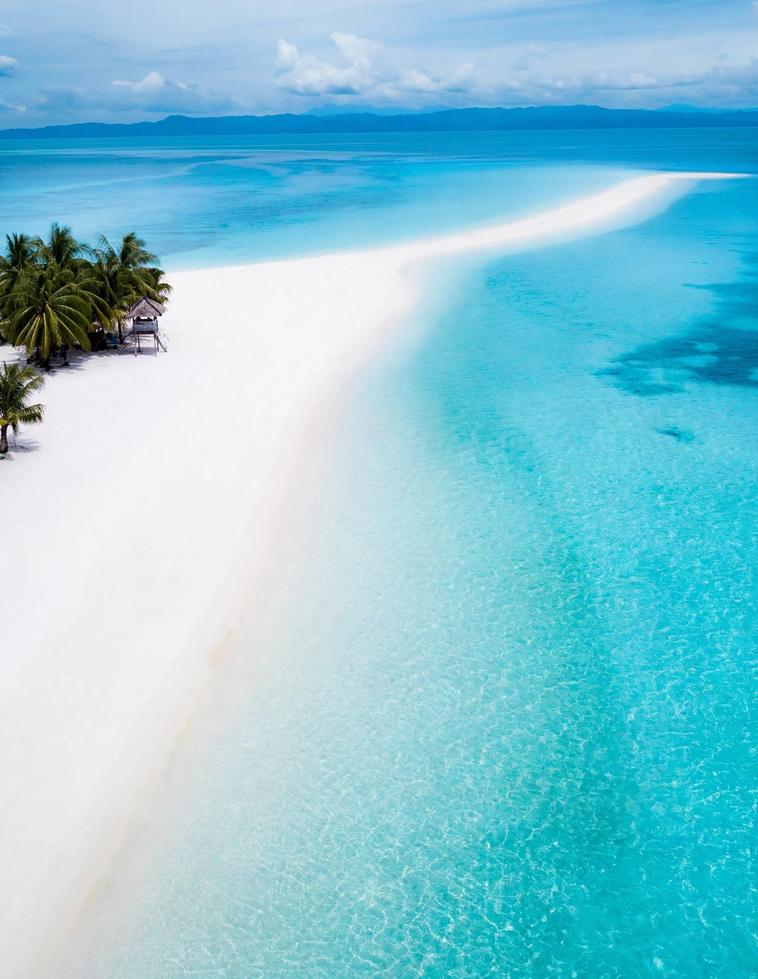
Kalanggaman Island is a strip of sand about 750 metres long off Palompon in western Leyte, with no hotel, no shop and a cap on how many visitors may land each day. It ranked 25th in the 2026 World's 50 Best Beaches list, which explains why dry-season weekends fill up. Getting there from Cebu takes a sea crossing, a land leg and a boat arranged through Palompon, so the logistics matter more than the packing list.
This guide covers the three realistic routes from Cebu, what the island costs per person and per boat, how overnight camping works and which months the sea behaves. One catch comes first: the most dependable route, the fast craft to Ormoc, rarely lets you do the island in a single day.
The island belongs to the Palompon local government, and there is little to do beyond walking, swimming and sitting under the coconut palms. A sandbar runs west from the island and changes length with the tide and the season, so low tide gives you the long, thin ribbon seen in photos. Bring a mask if you want to snorkel, because rentals are limited.
Three Ways to Reach Palompon From Cebu
Fast craft to Ormoc, then a van
OceanJet sails from Cebu to Ormoc four times a day, at 6:00 and 9:30 in the morning and 1:00 and 4:30 in the afternoon. The crossing takes about three hours and fares start around PHP 1,400, depending on class. Vans then cover the roughly 90 minutes from Ormoc to Palompon for about PHP 150.
Do the arithmetic before you plan a day trip. The first sailing reaches Ormoc around 9:00 AM, and the van puts you in Palompon close to noon, after most morning boats have left. Sleep in Palompon the night before your island day. Fares carry fuel surcharges that shift, so check with the operator before you book.
The overnight ship to Palompon
Cokaliong runs a weekly sailing that leaves Cebu on Friday at 7:00 PM and docks around 1:00 AM on Saturday, with economy fares from PHP 552. Treat it as a one-way ticket. The ship's return leaves Palompon at 8:00 AM that same Saturday, before you could have any island time, so the trip back goes by van and fast craft through Ormoc. A 1:00 AM arrival also means arranging somewhere to rest until the tourism office opens.
OceanJet's direct Cebu to Palompon fast craft was cancelled through 31 August 2026 under a service advisory, so check whether it has returned. Smaller operators have sailed from Polambato Port in Bogo, in northern Cebu; confirm the current timetable before building a plan around them.
From Malapascua
Travellers already in northern Cebu can book a joiner boat from Malapascua, which cost about PHP 1,800 per person in March 2026, or a private boat for roughly PHP 7,000 for up to about 30 people. Weather decides whether it runs, and a resort or dive shop on Bounty Beach is the usual place to ask. If you are heading there anyway, our Malapascua thresher shark guide covers the island side.
What Kalanggaman Costs
Palompon sets the fees by ordinance, and they have applied since 16 January 2024. Filipino visitors from outside Palompon pay PHP 300 for a day tour or PHP 450 overnight. Senior citizens from outside the town pay PHP 240 and PHP 360, students pay less, and foreign visitors pay PHP 1,000 and PHP 1,500. Palompon residents pay PHP 100 and PHP 150.
The boat is charged per boat, not per head: PHP 4,500 for up to 20 passengers, PHP 5,000 for 21 to 25, PHP 5,500 for 26 to 30 and PHP 6,000 for 31 to 35. Cottages on the island run from PHP 375 to PHP 1,000. You register and pay at the Palompon Eco-Tourism Office at the town port before boarding, and in Holy Week and on April and May weekends it pays to contact the office ahead.
Here is a rough sum for one Filipino traveller joining a full boat of 20, an estimate rather than a quote. The boat share is PHP 225 and the entrance is PHP 300, so the island itself costs about PHP 525. Two fast-craft tickets at around PHP 1,430 each add PHP 2,860 and the vans add about PHP 300, which brings the total near PHP 3,700 before food and a room in Palompon. The crossing costs several times more than the island, so a bigger group makes the biggest difference. Our ferry versus flight budget guide helps with comparing the transport.
Camping and Island Rules
Staying overnight means a tent or a paid hut, and the tent pitch is covered by the overnight entrance fee. The island has no electricity, fresh water, restaurant or ATM, so carry cash, food, a cooking setup and more drinking water than you think you need. Showers are on the mainland, where the tourism office has free shower rooms.
The rules protect a small island. Soap, shampoo and conditioner are banned, as are bonfires, portable generators, loud noise and smoking, and all trash goes back to Palompon with you. Wear only reef-safe sunscreen. Stay out of the water at the tips of the sandbar, where rip currents run, and watch your step for sharp shells in the sand.
When to Go and What Can Cancel the Trip
The dry season from November to May gives the calmest seas and the clearest water. March to May is the hottest and busiest stretch, and with a limit of 500 visitors a day, weekends and holidays book out first. Boats are called off in rough weather from June to October, so keep a spare day in the plan and check the Coast Guard advisories before you leave Cebu.
Palompon has also shut the island for several days to let it recover from visitor traffic, as it did in July 2024. Ask the tourism office about the status of your dates before you buy ferry tickets. For what to pack for the crossing, see the island hopping safety and packing guide.
Kalanggaman asks for a day of travel each way and gives back a few hours on a very clean strip of sand. It suits travellers who care more about the beach than the comfort of getting there. Book the boat early, share it with as many people as you can and leave nothing behind.