


Divilacan is a coastal town in Isabela that faces the Pacific Ocean from the far side of the Northern Sierra Madre. It's known for white-sand coves, a mangrove forest you explore by boat or kayak, and small fishing and Indigenous communities that have started opening their way of life to visitors. Getting there takes more planning than most beach trips: the main road crosses the mountains from Ilagan and runs under provincial travel rules that can change.
That access is the first thing to sort out. There are no big resorts, no line of tour desks and no regular stream of buses heading over the mountains. A trip that goes well starts with a call to the tourism office, a confirmed place to sleep and a vehicle cleared for the route.
This guide covers the places worth seeing, the road rules to check before you leave Ilagan, the ways to reach the province, where to stay and eat, a two- or three-day plan with room for delays, and how to visit the communities respectfully.
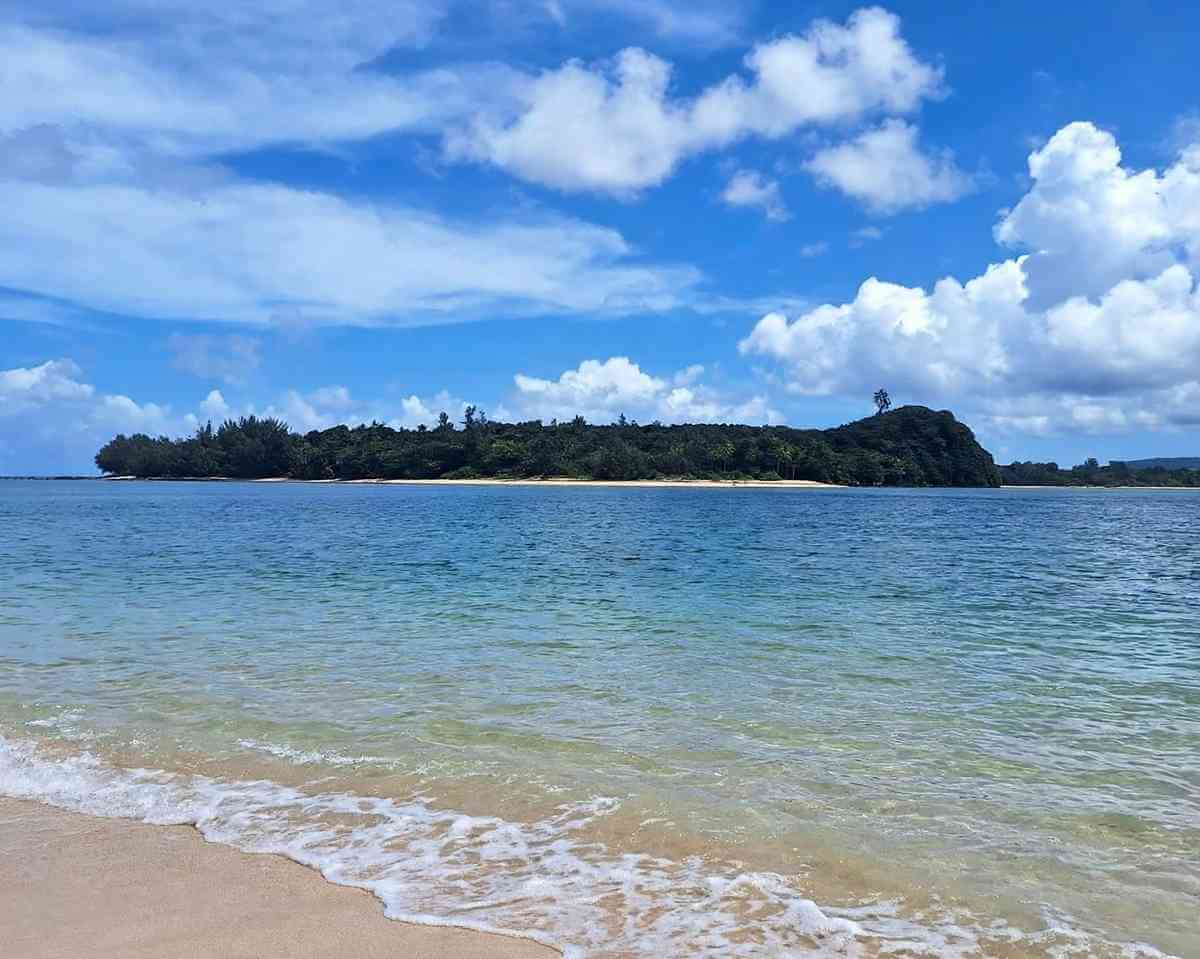
Divilacan at a glance
- Where: the Pacific coast of Isabela, Cagayan Valley, east of the Northern Sierra Madre
- Main sights: Dimasalansan White Sand Beach and Dimasalansan Mangrove Forest
- Also on offer: kayaking, coastal livelihood visits and guided Dumagat community experiences
- Road access: the Ilagan–Divilacan Road, under provincial travel rules
- Stay: 2 to 3 days, plus slack for the road
- Start with: the Isabela Provincial Tourism Office or the Divilacan Municipal Tourism Office
Why Go to Divilacan
The appeal is a stretch of Luzon's Pacific coast that few tourists reach: beaches, coastal forest, mangroves and mountains in one view, with villages that still live mostly from the sea. In 2026 the Department of Tourism Region 2 put the spotlight on a guided coastal program here that took in the Dimasalansan Mangrove Forest, the white-sand beach, kayaking, local livelihoods and a cultural exchange with the Dumagat community. The town has also hosted the expedition cruise ship Heritage Adventurer on its port calls.
Go expecting simple lodging, few restaurants and a pace set by the weather. The coast suits travelers who are happy to arrange things through local contacts and adjust when plans shift.
Places to See
Dimasalansan White Sand Beach
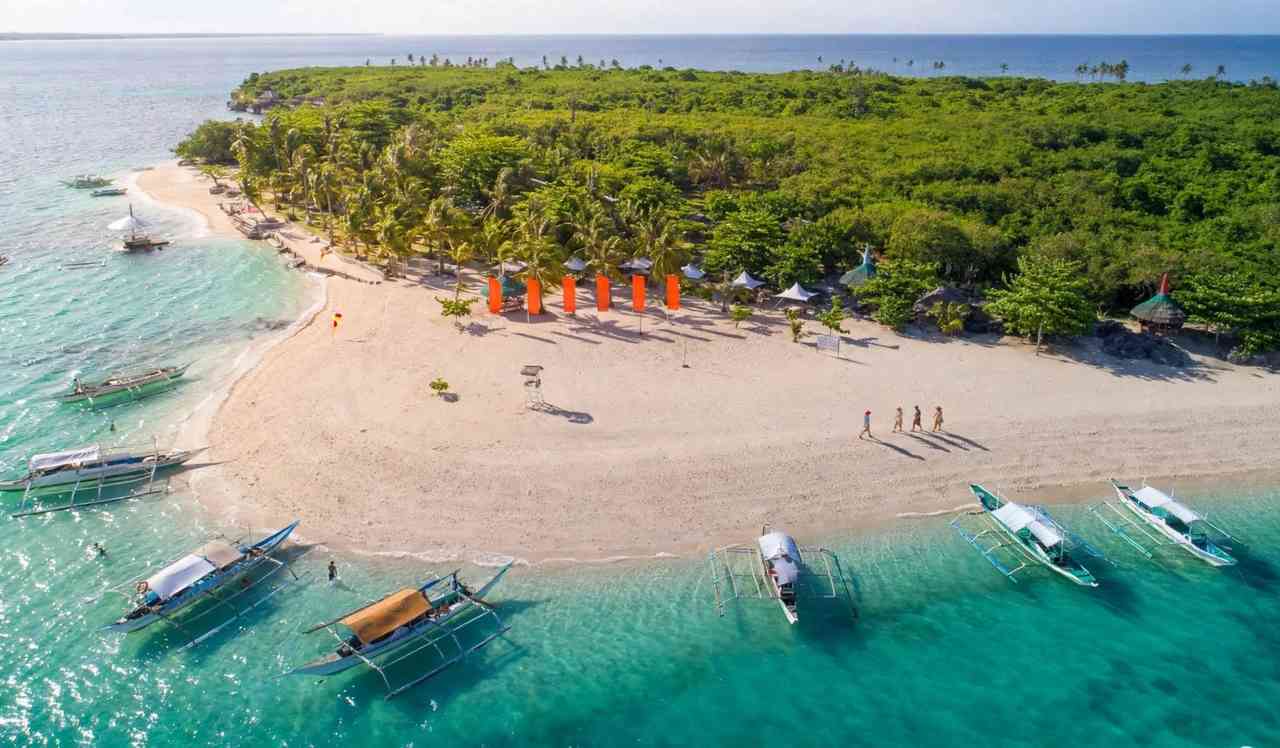
The town's best-known shoreline is a white-sand beach good for walking, beachcombing and, when the sea allows, swimming. Pacific-facing beaches can get big waves and strong currents, so ask local authorities whether swimming is allowed that day before you go in. Bring water and sun protection, since shade can be scarce.
Dimasalansan Mangrove Forest
A guided boat trip through the mangroves shows how this forest shields the coast, shelters young fish and supports the fisheries people here depend on. Stay on the route your guide takes, keep off the roots and keep the noise down around wildlife.
Kayaking the coast
Kayaking is part of the town's tourism offer, but availability depends on local operators and on the water. Ask what equipment comes with the rental, whether life jackets and a guide are included, and which route is allowed before you paddle out.
Community and livelihood visits
Divilacan's coastal economy runs on fishing, crab-related work and oyster farming. When a guide offers a visit to a livelihood site, treat it as a chance to learn how people work rather than a show, and buy local products where it makes sense. Experiences with the Dumagat community, such as the welcome, talks with leaders and performances featured by the Department of Tourism, are arranged through authorized local tourism channels. Don't walk into a community or photograph residents without permission.
The Road In: What to Check First
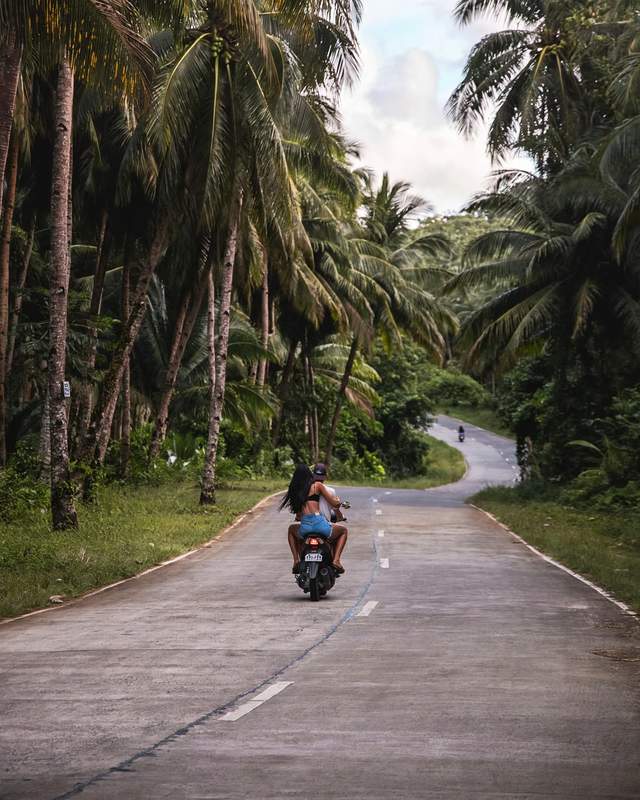
The Ilagan–Divilacan Road is the main land link between the provincial interior and the eastern coast, and it crosses rugged, environmentally sensitive terrain in the Northern Sierra Madre. In 2026 the provincial government enforced travel guidelines on the route, with checkpoints along the way. Rules like these get revised, so confirm the current ones with the Isabela Provincial Tourism Office or the Divilacan Municipal Tourism Office before you set out.
- Is the road open?Check for your travel date, and ask whether heavy rain or damage has cut access.
- Which vehicles are allowedFind out whether private vehicles can use it, what types are permitted, and whether permits or registration are needed.
- Travel windowsAsk whether you can only travel at set times, and where the checkpoints are and when they operate.
- Guide or registered vehicleConfirm whether a local guide or an accredited vehicle is required for visitors.
Don't trust a navigation app on this one. A route showing on the map doesn't mean it's open to visitors or passable that day, and old travel-time estimates are best ignored.
Getting to Isabela
From Manila
Fly to Cauayan or take the bus
Fly to Cauayan City or ride a bus to a hub in Isabela, then continue by road to Ilagan. Compare the full trip, since schedules and ground transfers decide which is quicker.
From Tuguegarao
South to Ilagan
Take a bus or van south toward Ilagan, then arrange the onward leg. Confirm the transfer point and road access before you leave.
The last leg
Ilagan to Divilacan
Frequent public transport over the mountains isn't a given. Ask the municipal tourism office about public vehicles, shared rides and private transfers suited to the road.
If you hire a vehicle, make sure it can handle the current road conditions and is authorized for the route. Pass through the checkpoints and register wherever you're asked to.
Where to Stay and Eat
Rooms in Divilacan are limited and mostly homestays, inns and community-based lodging, so get current options from the municipal tourism office and don't show up without a confirmed bed. Ask your host whether meals are included, whether they can arrange transport and mangrove or coastal activities, what the mobile signal and power are like, and what happens if the road closes while you're there. If nothing is available, ask about staying in a nearby town and making a planned trip in.
Eating out options are few and may not keep your hours. Your host will usually know what's possible, including fresh seafood when the boats bring it in. Tell them about allergies or dietary needs before you arrive. Carry cash, drinking water, snacks, medicines and a power bank, and save offline maps and local contact numbers before you leave Ilagan.
A Two- or Three-Day Plan
- Day 1Over the mountains
Leave Ilagan within the allowed travel window and clear the checkpoints. Check in, meet your local contact and, if there's light left, take a short walk on the shore.
- Day 2Mangroves and the beach
A guided mangrove trip in the morning, then Dimasalansan White Sand Beach. Add kayaking or a community activity if it's on offer.
- Day 3, if you have itPeople and the road back
A cultural or livelihood visit arranged through the tourism office, then the drive back to Ilagan with plenty of time for road procedures.
On a two-day trip, head back on day 2 according to your approved travel schedule. Either way, keep the plan loose. A late road departure or a spell of bad weather can push everything back a day, so avoid booking a flight or bus out of Isabela on the same day you leave Divilacan.
Costs
Prices depend on how you reach Isabela, how you cross to the coast and how many guided activities you add. Budget for transport to Isabela and on to Ilagan, vehicle hire or local transport to Divilacan, lodging and meals, guide and boat fees, kayak rental, any environmental or registration fees, and an emergency fund for delays. Groups can often split vehicle and boat costs. Ask local tourism contacts for current rates and get the breakdown in writing or by message before confirming anything.
When to Go
The town faces the open Pacific, so monsoon weather and tropical cyclones affect both the sea and the mountain road. Choose a window with a good forecast, but remember that conditions can turn quickly. Check official weather bulletins and local road advisories right before you leave.
Visiting Respectfully
On the coast
- Go with local guidesUse authorized guides, and stay out of restricted forest and coastal areas.
- Leave the mangroves beDon't cut, damage or climb on the roots, and don't disturb wildlife.
- Ask firstGet permission before photographing people or homes, and follow Indigenous community protocols.
- Take your rubbish outLeave beaches clean, and follow swimming and boating safety instructions.
If remote corners of the Cagayan Valley appeal, Calayan Island off the north coast and the Capisaan Cave System in Nueva Vizcaya take the same kind of planning. For an easier taste of the Pacific coast, Baler in Aurora is reachable by regular bus.
Divilacan rewards travelers who sort out the road before the beach. Confirm the rules for the Ilagan–Divilacan route, line up a local contact and a bed, and give the trip an extra day.

Comments
No comments yet. Been here recently? Share a tip or ask a question.
Leave a Reply