The Moriones Festival runs through Holy Week on Marinduque, the small heart-shaped province south of Luzon. In 2027 that means Palm Sunday on March 21 through Easter Sunday on March 28, with most of the action in Boac, the capital, and smaller programs in Mogpog, Gasan and Santa Cruz. If you can only be there for part of the week, aim for Wednesday to Saturday, when the Passion play, the Good Friday procession and the capture of Longinus fall close together.
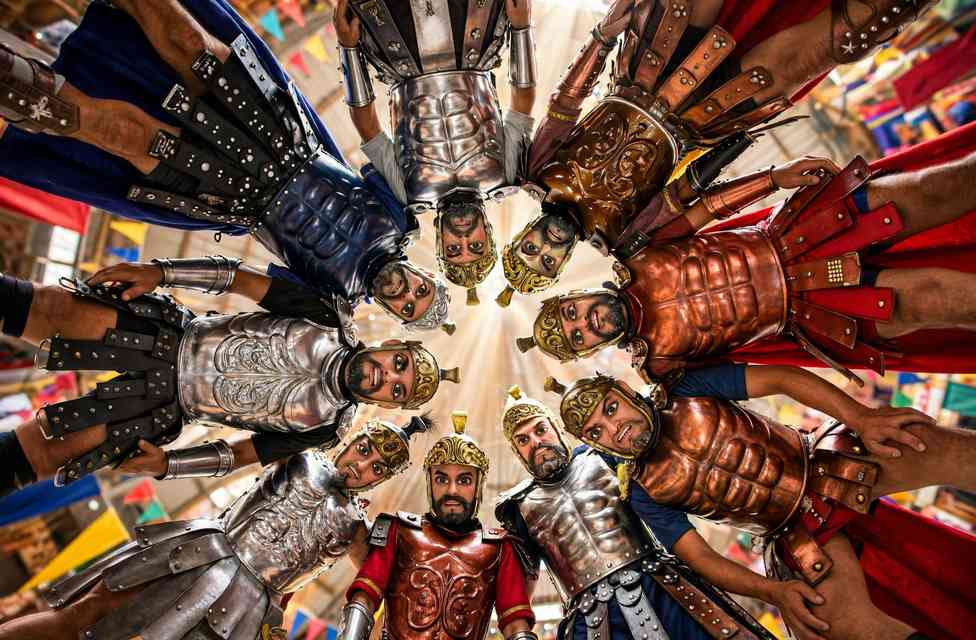
Locals call the tradition Moryonan. It goes back to 1807, when Father Dionisio Santiago, then parish priest of Mogpog, began staging the story of the Roman soldier Longinus as part of Lent. More than two centuries later, men in carved wooden masks and soldier costumes still walk the streets each Holy Week, and many of them do it as a personal vow rather than a performance.
This guide covers what the masks mean, how a typical week unfolds, which days are worth planning around, how to reach the island by sea or air, and the manners that keep you welcome during the most solemn week of the year.
Who Longinus Was and Why the Soldiers Wear Masks
The story follows Longinus, the centurion who pierced the side of Christ with his spear. In the version told on Marinduque, blood from the wound fell on his blind eye and healed it. He believed, spoke of what he saw, and his fellow soldiers hunted him down for it. The week of street theatre builds toward that chase and his execution, known locally as the Pugutan.
The masked men are the Morions, his fellow soldiers. Their masks are carved from light local wood such as dapdap, painted with bulging eyes, thick brows and moustaches, and topped with a helmet. Some look comic, some look menacing. Many are made by the wearer or a relative and repainted before each season, and a fair number of participants wear them as panata, a promise made in thanks or in penance. That changes how you should treat them, which comes up again below.
A Day-by-Day Look at Holy Week
Each town prints its own program, and times shift from year to year. The pattern below reflects recent festivals; the provincial tourism office and the town halls post the current schedule closer to Lent.
Palm Sunday
Morions make their entrance in Gasan and Boac, marching in full costume between the church and the plaza around the blessing of palms. Gasan's seaside park usually hosts a bazaar that runs for much of the week.
Holy Monday and Tuesday
These are the loose, unscripted days. Masked soldiers roam the streets of Boac, tease children, stop traffic for a moment and pose for photos. If you want close-up pictures and short conversations, these two days are the easiest time to get them.
Holy Wednesday and Maundy Thursday
The Senakulo, the stage version of the Passion, opens at the Moriones Arena in Boac. Thursday brings the Last Supper and the washing of feet at the Boac Cathedral, followed by an evening procession.
Good Friday
The Via Crucis moves through Boac around midday, with the actor playing Christ carrying the cross and Morions guarding the route. It is hot, slow and crowded. After dark, the Santo Sepulcro procession is quiet and unmasked, and the town feels very different.
Black Saturday and Easter Sunday
The capture and beheading of Longinus is the climax, staged at the arena in Boac and listed for Black Saturday in recent programs. Masks come off at the end. Easter morning closes the week with the Salubong, the meeting of the risen Christ and his mother, and the soldiers are gone from the streets.
Picking the Right Days
Most people cannot take a full week off, and Marinduque does not demand it. A short plan works well if you choose which side of the festival you care about.
For photography and casual contact with the Morions, arrive by Sunday evening and stay through Tuesday. For the religious drama, Wednesday to Saturday puts the Senakulo, the Good Friday procession and the Pugutan inside four days. Leaving on Easter Sunday is possible, but ferries and flights back to Manila are at their busiest then, so Easter Monday is often the calmer exit.
Boac makes the most sense as a base because the arena, the cathedral and most rooms are there. Mogpog and Gasan are short jeepney rides away. Mogpog, where the tradition began, tends to feel more local, and it is also near the hill station of the 1911 Luzon Datum, the old reference point used to map the country.
Getting to Marinduque
There is no direct route from the Visayas, so most travellers pass through Manila first. If you have a night to spare there, our 24-hour stopover in Manila plan fits neatly before the island leg.
By sea through Lucena
Buses run from Cubao and Buendia to Lucena in roughly three to four hours. From Dalahican Port, roll-on roll-off ferries cross to Balanacan Port in Mogpog in about three and a half to four and a half hours, with recent fares around PHP 500 to 800 plus a small terminal fee. Montenegro and Starhorse are among the lines on this crossing. Ports get packed during Holy Week, so book ahead on the Barkota app where your trip is listed, and expect long lines if you buy at the window. A van or jeep from Balanacan to Boac takes under an hour.
By air to Gasan
Marinduque Airport sits in Gasan, and Cebu Pacific has flown the short Manila route a few times a week. Seats are few and Holy Week fares climb fast, so book months early and check the current days before you build a plan around them. The flight saves most of a day compared with the bus and ferry.
Where to Stay and What It Costs
Hotels and inns in Boac have recently ranged from about PHP 1,500 to 3,500 a night, with simple guesthouses lower. Boac fills well before Palm Sunday, so reserve two to three months ahead, or look in Mogpog and Gasan and ride in each morning. The street events are free to watch. Jeepneys and tricycles cover short hops cheaply, but bring enough cash for the whole stay, because ATM lines grow long during the festival.
For something to take home, arrowroot cookies, called uraro, are the island's best-known snack, and Rejano's Bakery in Santa Cruz is a long-running name for them.
Manners That Matter During Holy Week
Ask before touching a mask or a costume, and ask before taking close portraits. For many wearers this is a vow, not dress-up. Keep your voice down during the Good Friday procession and the Santo Sepulcro, skip the flash near religious images, and dress modestly for church. The midday Via Crucis is brutal in the sun, so carry water, a hat and something to cover your arms. Some towns limit alcohol sales during the week; go along with whatever rule is posted.
If you came to Marinduque for the festival, the masks are only half of it. Festivals rooted in faith tend to share that mix of devotion and spectacle, which you will also find in the January street dancing of Ati-Atihan and Dinagyang and in the papier-mâché giants of the Higantes Festival in Angono.
Adding a Beach After Easter
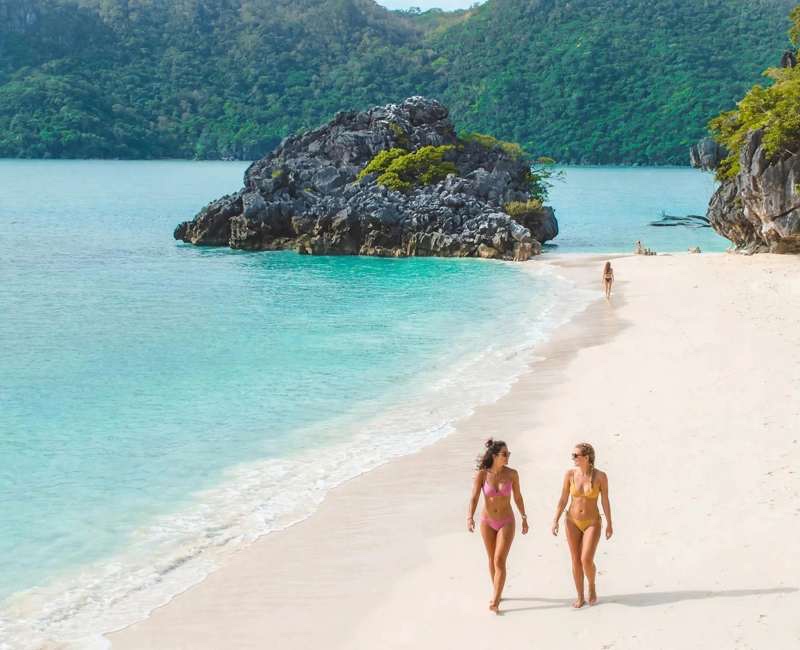
Once the week winds down, many visitors head east to Santa Cruz and take a boat to Maniwaya Island, where the Palad Sandbar shows itself at low tide. Poctoy White Beach in Torrijos, with Mount Malindig behind it, is another easy add-on. A night or two at either turns a week of processions into a proper rest before the trip back to Manila.
Plan the Moriones Festival around the days you most want to see, lock in your ferry or flight early, and treat the soldiers in the street with the same respect you would give anyone keeping a promise. That is the surest way to enjoy one of the oldest Lenten traditions in the country.