


Sarangani curves around a wide bay at the southern tip of Mindanao, and the bay sets the tone for most trips there. Most visitors come for Gumasa Beach in Glan, a long stretch of pale sand that has made the province one of the south's favourite weekend escapes. Stay a few more days and you will find marine parks, offshore islands, burial jars with human faces, caves and quiet fishing towns along the coast.
Almost everyone starts in General Santos City. It has the airport and the bus connections, and although it is administratively separate from the province, it is the gateway to most of it. From there, Glan and Gumasa are to one side of the bay, and Maitum and Kiamba are a long drive along the coast to the other.
Distance is the thing that catches visitors out. This guide shows which part of Sarangani suits which kind of trip, what to expect at Gumasa, how to reach the quieter corners, and how to plan two, three or four days without spending all of them on the road.
Where Sarangani Is, and How It Is Laid Out
Sarangani belongs to Region XII, SOCCSKSARGEN, and wraps around much of Sarangani Bay. Each municipality offers something different, so knowing the towns makes planning much easier.
Sarangani town by town
- Glan: Gumasa Beach, resorts and a heritage town centre
- Maitum: anthropomorphic burial jars, caves and coast
- Kiamba: Tuka Marine Park
- Maasim: coastal villages and access to the bay
- Alabel: the provincial capital
- Malapatan and Malungon: rural coast and inland farmland
Gumasa Beach, Glan
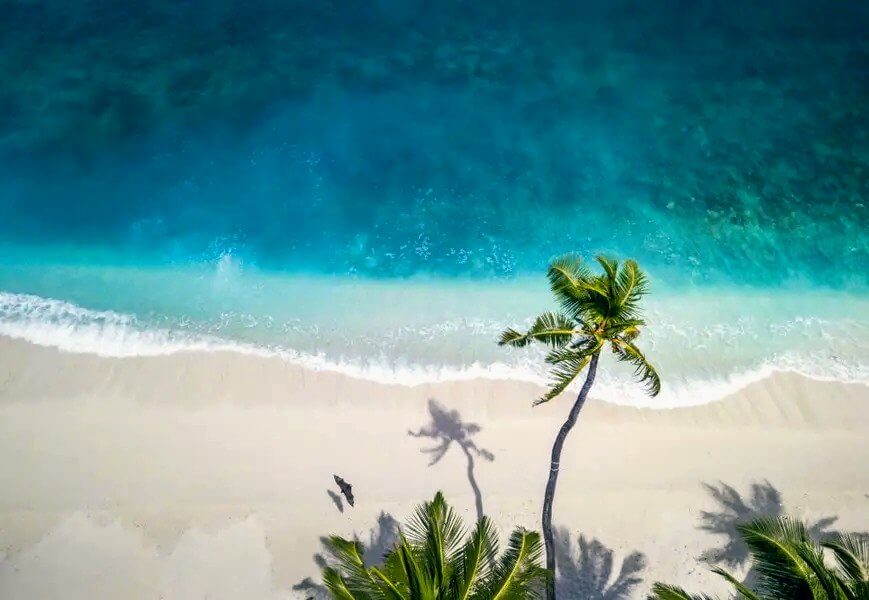
Gumasa is what most people picture when they think of Sarangani: a long sweep of light sand facing the bay, lined with beach resorts. Days here are simple. You swim when the water is calm, walk the shoreline, find shade at midday and watch the sunset.
Gumasa is not one public beach but a series of resorts, each with its own rules. Some welcome day visitors, while others focus on overnight guests, cottages or camping. Before you pay at the gate, ask what the fee covers and whether outside food, tents or day visitors are allowed. On long weekends and during big events the beach gets busy, so book a room early and ask your resort for its exact access point.
Beyond Gumasa
Sarangani Bay
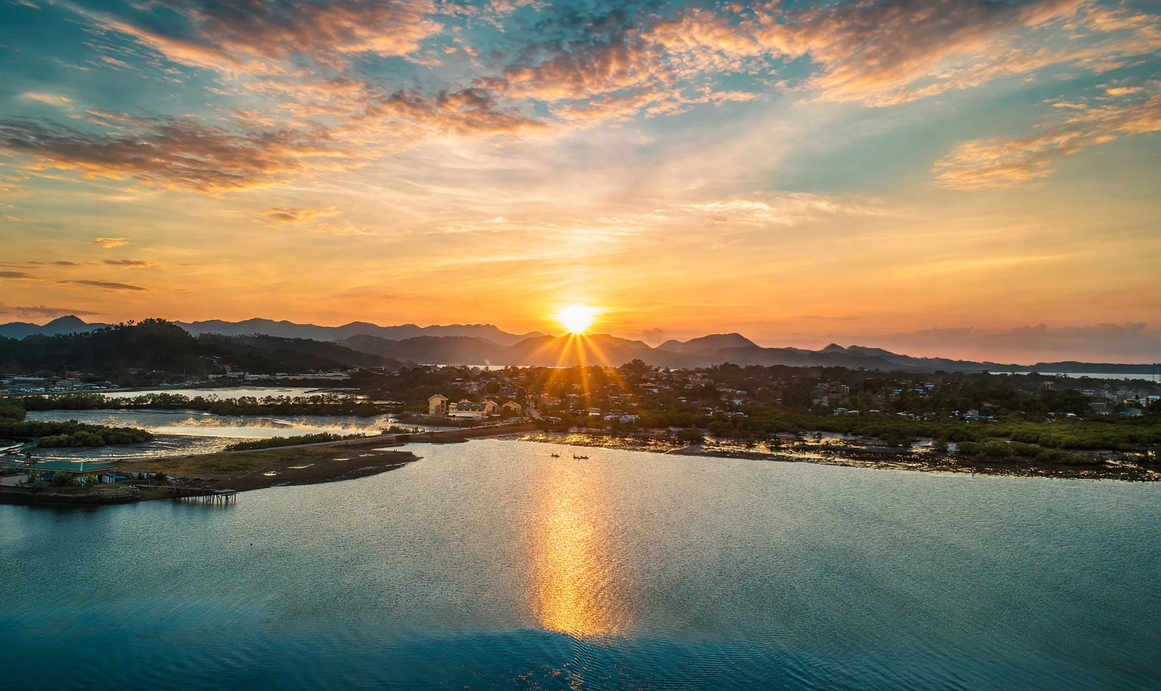
The bay is the reason the province exists the way it does. Its coral reefs, seagrass beds and mangroves support fishing towns and marine life, and visitors can see them on boat trips, snorkelling and dives where operators and conditions allow. These activities take place from different towns and dive sites rather than one centre, so book through an established local operator and follow the marine protection rules.
Tuka Marine Park, Kiamba
Tuka has coral reefs and small protected coves, and it is a good choice if you want quieter water and some snorkelling. Access is controlled and not every cove may be open on the day you visit. Arrange the trip through local tourism contacts, ask which sections are open, and follow the guides' instructions on swimming and conservation.
Sarangani Island and Balut Island
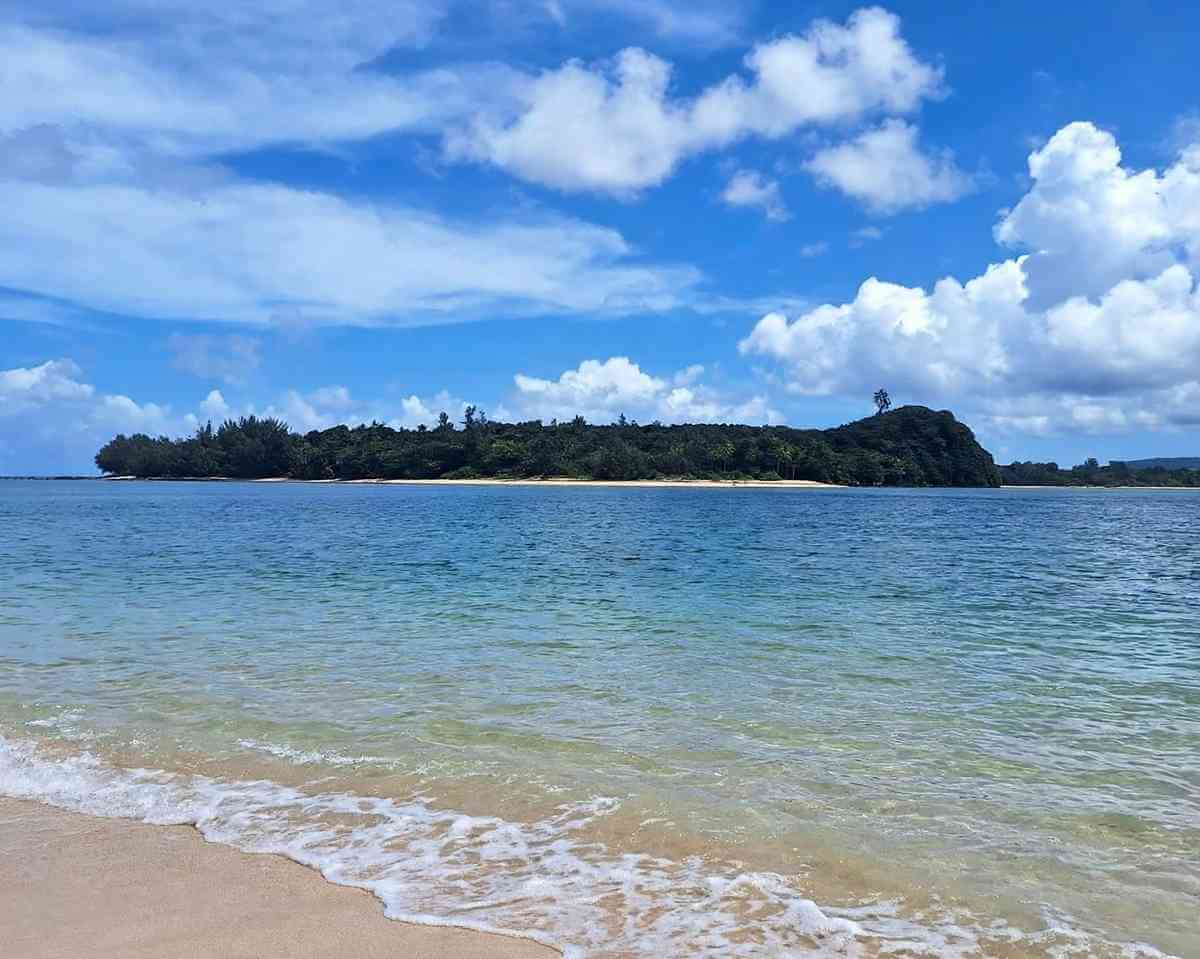
These offshore islands appear on regional tourism maps, but transport and facilities are much more limited than at Gumasa. Plan them as a proper excursion: confirm a boat, the departure point, a local guide, somewhere to stay overnight and the weather limits before you commit. Do not assume a regular public boat will be running when you need it.
The Maitum burial jars
Maitum is known for its archaeological burial jars, made with human faces, a rare link to the people who lived on this coast long ago. Visit the local museum or heritage display to see them in context. Do not touch, move or try to buy artefacts, and follow the photography rules.
Ayub Cave and other nature sites
The countryside around Maitum also has caves. Expect uneven ground, low ceilings and slippery sections, and go only with an authorised local guide. Stay out of caves during heavy rain or whenever the water may rise.
Glan town
Most people drive through Glan on the way to the beach without stopping. The town has heritage houses and an older centre that are worth a slow walk, preferably on the morning you leave.
River tubing
Some municipalities offer river tubing and other inland activities. Check the site, season, age or swimming requirements, guide arrangements and safety gear before you book, and postpone if recent rain has made the river unsafe.
What to Eat
General Santos is famous for tuna, and seafood is the obvious choice all around the bay. Look for grilled fish, kinilaw, prawns and simple fresh catch after a day at the beach. Ask what was caught locally, avoid protected species, and choose busy eateries with good food handling. If you are travelling through General Santos, plan a meal there before or after the drive to Glan. Our General Santos fish port guide covers the tuna side of the city. Markets and roadside stalls along the way sell local fruit, vegetables and everyday Mindanao food.
Getting There
Arriving
Fly to General Santos
General Santos International Airport is the practical way in for most visitors. Continue by road to your town.
To Gumasa
One to two hours by road
Go by private car, hired van or public transport to Glan. The last stretch may need a tricycle or a resort transfer.
To Maitum and Kiamba
Longer coastal drive
Public transport can mean several changes. A hired vehicle is easier, and check the last ride back before a day trip.
If you are commuting, ask at the terminal for the current route to Glan, then confirm with your resort how to reach its gate. Travel times depend on traffic, road conditions and where on the coast your resort is.
Sample Plans
- Two daysGumasa weekend
Drive to Glan, check in and spend the afternoon on the sand until sunset. Swim early the next morning, then head back to General Santos.
- Three daysGumasa and Glan
Add a full beach day in the middle and a walk through Glan's heritage centre on the way out.
- Four or moreCoast and culture
Two days around Gumasa and the bay, then the drive to Maitum for the burial jars and guided nature stops, and a slow return with time for meals.
The longer route means a lot of driving. Confirm transport and opening days for Maitum's sites before you set off.
When to Go
The drier months are easier for the beach, boat trips and outdoor activities, but the bay can still turn rough on a sunny day. The Sarangani Bay Festival is the province's big coastal celebration, and its dates change from year to year. Check the provincial government's announcements before booking around it, and do not rely on last year's dates.
Tips for the Trip
Before you go
- Book Gumasa earlyLong weekends and festival periods fill the resorts.
- Ask about every feeDay use, cottages, parking and environmental charges are often separate.
- Carry cashSmall operators and remote stops may not take cards.
- Arrange boats aheadIsland boats do not run on demand.
- Use local guidesFor caves, rivers and marine trips.
- Leave the reef aloneDo not stand on coral, collect shells or feed marine life.
Travelling with children? Ask your resort about swimming conditions, lifeguards and safe areas before you book. And if Sarangani is part of a longer Mindanao trip, our Davao City guide for first-time visitors covers the next big city to the north.
Frequently Asked Questions
Is Gumasa Beach worth visiting?
Yes, for a relaxed beach weekend. How it feels depends on which resort and which part of the shore you choose.
How far is Gumasa from General Santos?
Usually one to two hours by road, depending on traffic, road conditions and your resort.
Which airport serves Sarangani?
General Santos International Airport. From there, continue by road to Glan, Maitum, Kiamba or your chosen town.
Are there islands to visit?
Yes, Sarangani Island and Balut Island. Arrange the boat and a local guide in advance because services are limited.
What is Sarangani known for?
Gumasa Beach, Sarangani Bay and its marine life, the Maitum burial jars, coastal towns and its tuna-country food.
Photo credit: Traveloka.

Comments
No comments yet. Been here recently? Share a tip or ask a question.
Leave a Reply